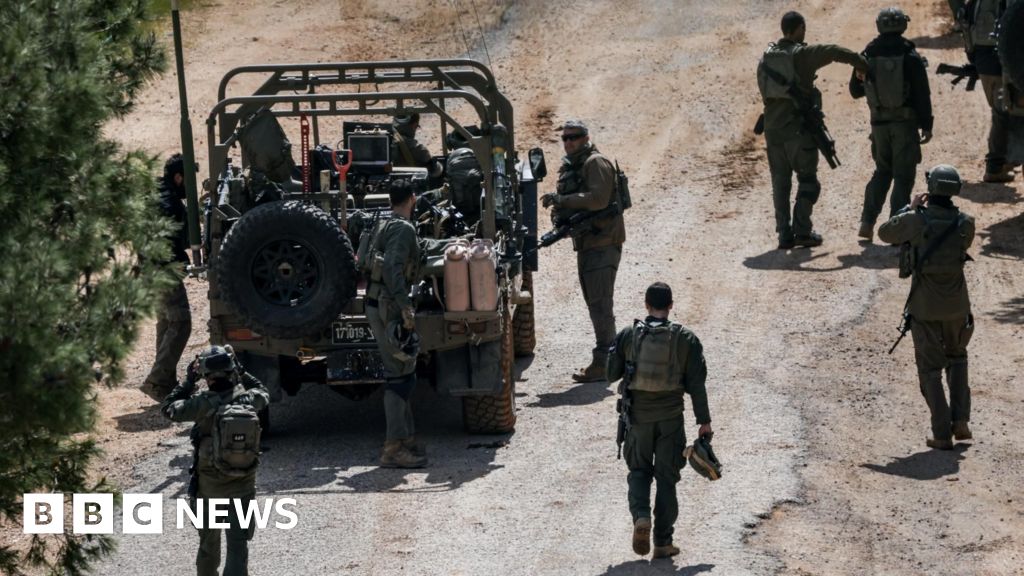

The escalating military operations targeting Hezbollah positions in southern Lebanon introduce profound geopolitical uncertainty across the MENA region, directly impacting business continuity, risk premiums, and capital allocation strategies. Sovereign Wealth Funds (SWFs), particularly those in the Gulf Cooperation Council (GCC) states, are likely to reassess regional risk exposures, potentially shifting capital flows towards perceived safer havens or sectors demonstrating resilience, such as domestic infrastructure or critical utilities. This recalibration could dampen near-term investment appetite in Lebanon itself and potentially spill over into neighboring economies exhibiting similar vulnerabilities, altering the trajectory of planned infrastructure and technology investments supported by state capital.
The venture capital landscape faces significant headwinds from the heightened instability. Regional VC funds, already navigating a global funding squeeze, will likely become increasingly risk-averse, prioritizing investments within fortified ecosystems like the UAE or Saudi Arabia, particularly in sectors with clear defensibility – cybersecurity, supply chain resilience technology, and domestic-focused platforms. Cross-border transactions involving Lebanese entities or operations will face heightened scrutiny and valuation pressures, potentially delaying exits and slowing innovation cycles within Lebanon’s nascent tech sector. This geopolitical friction underscores the critical need for robust contingency planning among regional tech startups and investors reliant on MENA supply chains.
From an infrastructure perspective, the conflict threatens to disrupt vital trade corridors, notably the Beirut-Damascus highway and potential transit routes linking the Gulf to the Mediterranean, imposing significant logistical costs and delays on regional commerce. This disruption could accelerate existing regional initiatives aimed at enhancing intra-GCC connectivity and alternative trade routes, potentially increasing sovereign capital deployment towards strategic ports and digital backbone projects as geopolitical risk mitigation. The imperative to build redundant infrastructure and invest in resilient digital communication networks within the MENA bloc becomes more pronounced, diverting capital from other development priorities towards security and continuity solutions.