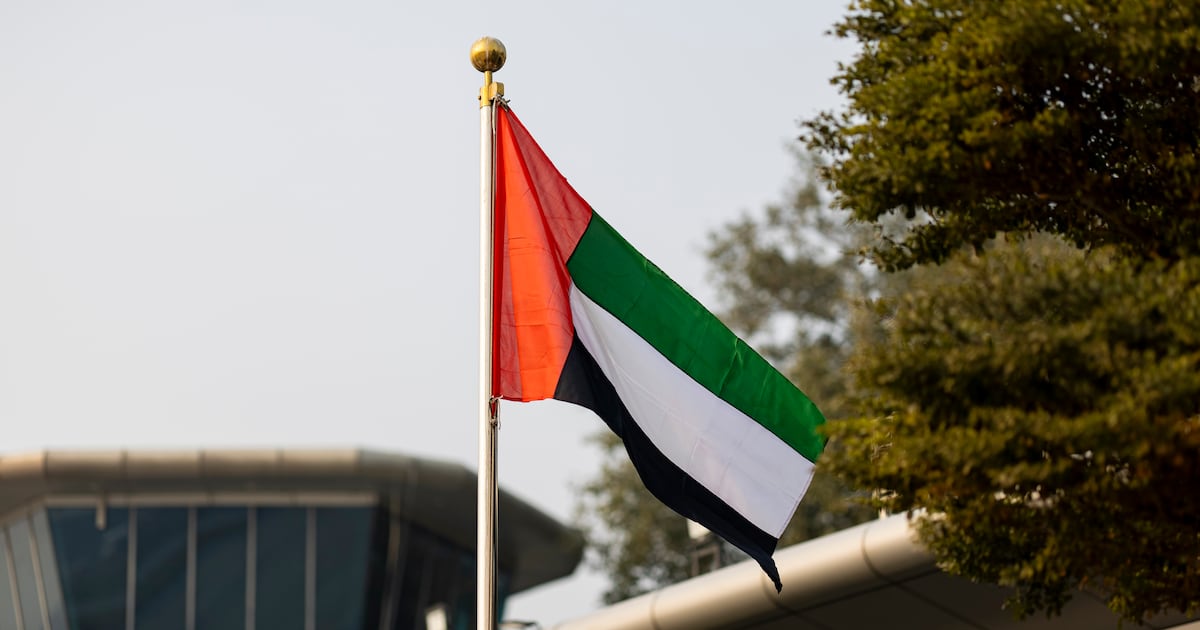

The establishment of ADNOC Fujairah LNG as a 9.6 million-tonnes-per-annum capacity facility underscores the UAE’s strategic pivot towards solidifying its energy dominance in the Middle East and North Africa (MENA) region. This sovereign-backed project, financed through Abu Dhabi National Oil Company (ADNOC) and integrated into the UAE’s national energy diversification mandate, is poised to reshape regional energy economics by enhancing export resilience and market accessibility. The bypassing of the Strait of Hormuz—a critical vulnerability in global supply chains—positions Fujairah not merely as a logistical asset but as a cornerstone of sovereign capital deployment. For MENA, this signals a broader trend where state-led infrastructure investments are leveraged to secure energy sovereignty, diversify revenue streams, and reduce geopolitical dependencies. The business impact extends beyond immediate export gains, fostering ancillary growth in logistics, refining, and industrial sectors across the UAE and neighboring markets. Such large-scale projects also attract sovereign capital from other Gulf states, reinforcing a regional shift towards coordinated energy infrastructure as a tool for economic and political leverage.
The technological innovations embedded in ADNOC Fujairah LNG, including digital Monitoring systems and AI-driven operational efficiency, create fertile ground for venture capital (VC) engagement in MENA’s evolving energy-tech ecosystem. By integrating satellite-based analytics—such as those pioneered by platforms like Farmonaut for mineral exploration—the UAE is not only future-proofing its energy infrastructure but also catalyzing VC interest in clean energy, digital twins, and resource optimization solutions. These innovations align with global ESG imperatives while addressing regional challenges such as resource scarcity and supply chain fragility. For VC actors in MENA, the UAE’s strategic deployment of advanced technologies offers a model for high-impact investments in sectors like sustainable hydrocarbons, battery mineral extraction, and smart grid development. The convergence of sovereign capital, cutting-edge technology, and regional infrastructure needs presents a high-growth environment for VC to catalyze innovation, provided frameworks for risk mitigation and regulatory clarity are established. This trend could redefine MENA’s role from a traditional energy exporter to a hub for energy-tech innovation.
Regionally, Fujairah’s LNG infrastructure reinforces the MENA energy landscape’s strategic rebalancing toward supply security and diversification. By reducing reliance on choke points like the Strait of Hormuz, the UAE’s Sukuk-backed projects set a precedent for other MENA nations to invest in localized, resilient energy assets. This has direct implications for sovereign policies across the region, where governments may increasingly prioritize infrastructure that mitigates geopolitical risks. Furthermore, the UAE’s emphasis on multi-fuel compatibility—handling crude, refined products, and LNG—positions Fujairah as a model for integrated regional infrastructure, encouraging cross-border energy cooperation. For employers of capital in the region, this underscores the importance of investing in infrastructure that aligns with global trends toward decarbonization and digitalization. The long-term business impact will depend on how MENA countries adopt Fujairah’s blueprint to balance energy security with economic diversification, particularly as VC and private equity increasingly flow into infrastructure projects that offer both regional stability and global connectivity.