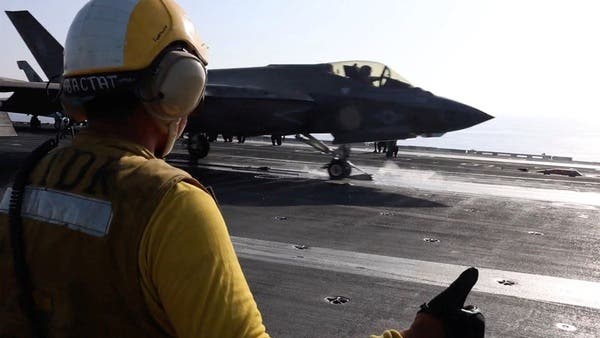

The United States’expanded campaign against Iran, now involving more than 7,000 precision strikes and the loss of a dozen MQ‑9 Reapers, underscores a strategic shift that reverberates across the MENA financial landscape. Sovereign wealth funds in the Gulf have begun reallocating a portion of their USD‑denominated portfolios toward defensive equities and infrastructure assets, anticipating heightened volatility in oil markets and heightened defense spending across the region.
Venture capital activity in the Middle East and North Africa is projected to contract modestly this fiscal year, as limited partners prioritize capital preservation over speculative bets in hyper‑growth tech sectors. However, funds focusing on security‑focused cyber solutions, satellite communications, and autonomous logistics are attracting renewed interest, driven by the need for resilient supply‑chain technologies that can withstand geopolitical disruptions.
Regional infrastructure projects, from smart‑grid deployments in Saudi Arabia to fiber‑optic expansions in Egypt, are receiving fresh sovereign‑backed financing to bolster resilience against escalating security threats. These investments are increasingly tied to performance‑linked bonds that incorporate geopolitical risk premiums, signaling a recalibration of capital allocation in favor of assets with demonstrable strategic redundancy.
From an institutional perspective, the convergence of heightened military exposure and evolving capital flows suggests a prolonged period of market sensitivity to security developments. Analysts at leading MENA financial houses warn that sovereign lenders may tighten credit conditions for projects perceived as vulnerable to indirect conflict spillovers, compelling firms to adopt more stringent risk‑management frameworks and to diversify funding sources beyond traditional bank financing.