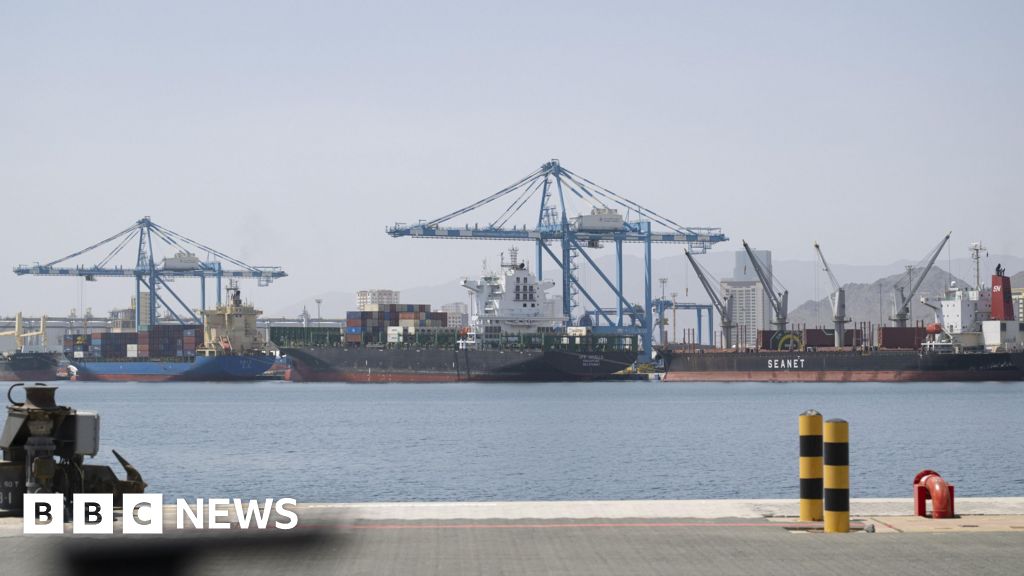

Maersk confirmed that the US‑flagged bulk carrier S/5862 exited the Strait of Hormuz successfully, protected by a United States naval escort. The vessel’s safe passage underscores the continued reliance of global maritime trade on U.S. security guarantees in geopolitically volatile chokepoints.
For MENA economies, the incident reiterates the strategic importance of secure shipping lanes to sustain sovereign capital inflows. Gulf states depend on uninterrupted transit of hydrocarbons and diversified goods; any disruption can ripple through national budgets and FDI projections. The EU and U.S. security commitments thus represent a form of implicit sovereign guarantee that mitigates operational risk for regional shipping and logistics firms.
Venture capital flows into maritime technology and infrastructure are likely to absorb the heightened risk premium. Start‑ups offering autonomous escort systems, real‑time threat‑detection platforms, and blockchain‑based cargo tracking are poised to capture new demand. Investors are sharpening focus on resilient supply‑chain ecosystems that can withstand geopolitical shocks, particularly in the MENA corridor that anchors global trade routes.
At the national level, the episode signals a need for robust coastal and transport infrastructure funding. Governments may accelerate public‑private partnerships to upgrade terminal capacities, adopt digital freight frameworks, and enhance maritime safety standards. Such initiatives will not only bolster economic resilience but also project stability to foreign capital, amplifying the attractiveness of the MENA region as a logistics hub in a post‑pandemic, risk‑averse world.