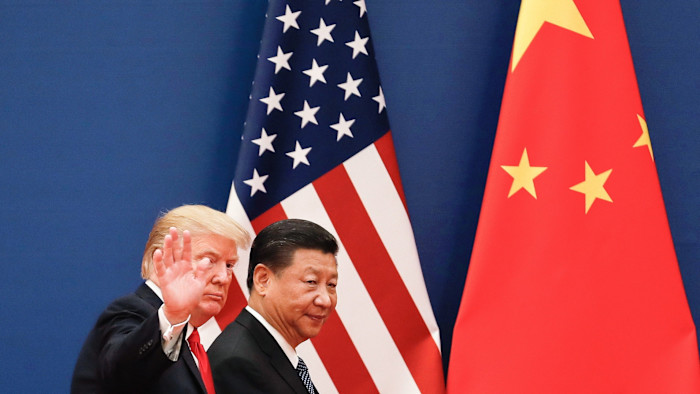

Recent developments surrounding US President Donald Trump’s outreach to China for assistance in the Middle East constitute a significant geopolitical inflection point with profound implications for the region’s business landscape, sovereign wealth dynamics, venture capital flows, and critical infrastructure development. This unprecedented request, urging Beijing to facilitate a resolution to the escalating tensions, signals a recalibration of global power dynamics and raises critical questions about China’s strategic calculus.
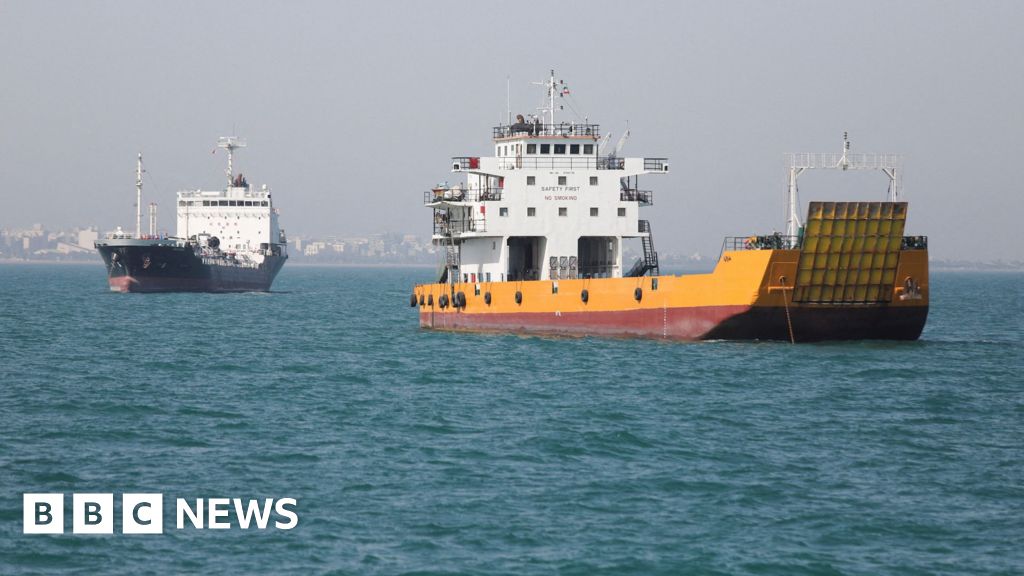
The business impact is potentially substantial. With a considerable portion of China’s crude oil imports transiting the Strait of Hormuz, Beijing possesses a vested interest in regional stability. However, the direct involvement of Chinese naval assets in a conflict scenario carries considerable risk. The recent postponement of a planned summit between Presidents Xi Jinping and Trump further underscores the complexities. While Trump’s appeal to China might be understandable given his current predicament in the Gulf, it does not necessarily indicate a fundamental shift in Beijing’s approach to maritime security or its willingness to directly engage in the region’s volatile dynamics. The interplay between US-China relations, particularly concerning trade and technological competition, will continue to profoundly influence investment decisions and infrastructure projects across the Middle East and North Africa.
Sovereign wealth funds in the region are likely to adopt a cautious approach, closely monitoring the evolving political and economic landscape. The prospect of prolonged instability, coupled with potential disruptions to energy supplies, could lead to a reassessment of investment strategies. Venture capital activity, while generally resilient, may experience headwinds due to increased geopolitical uncertainty. Moreover, the ongoing evolution of regional infrastructure – particularly in energy, transportation, and digital sectors – will be heavily influenced by the broader US-China relationship and the resulting shifts in global capital flows. The potential for heightened tensions or a prolonged conflict could divert resources away from planned expansion and modernization initiatives.
The implications for regional infrastructure are considerable. While China has historically been a major investor in infrastructure projects across the MENA region, the current situation introduces a degree of unpredictability. The possibility of a protracted US involvement in the region could either accelerate or hinder certain projects, depending on the shifting geopolitical landscape. Furthermore, the potential for sanctions or other economic measures could impact the flow of capital and expertise crucial for infrastructure development. The region’s strategic importance for energy security and global trade means that any significant escalation of conflict carries substantial economic risks, demanding careful consideration from both state and private sector investors navigating this complex environment.