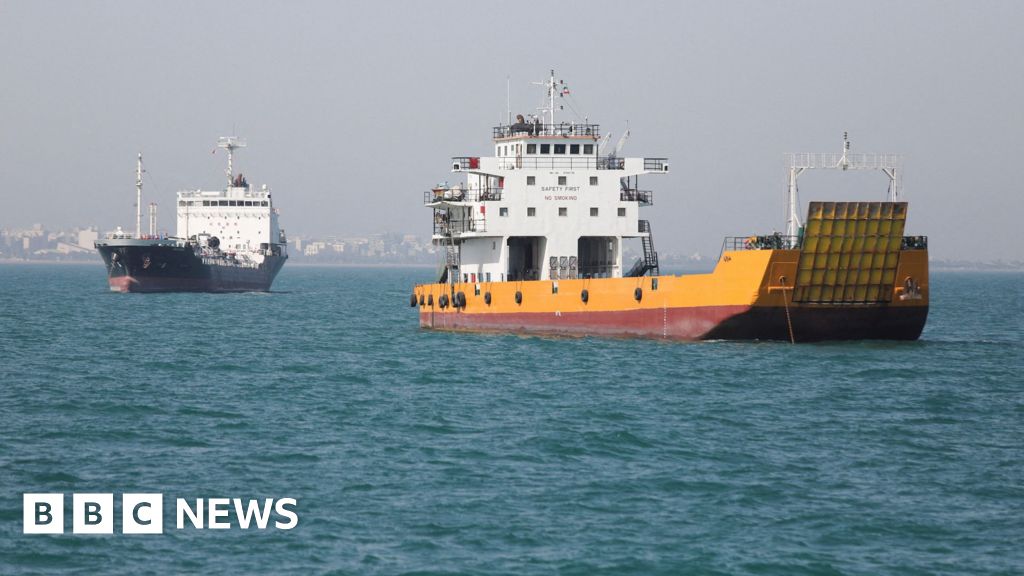

Escalating tensions between the United States and Iran represent a significant and multifaceted risk to the economic stability and developmental trajectory of the Middle East and North Africa (MENA) region. While the recent, albeit tentative, Gulf ceasefire offered a glimmer of hope for reduced geopolitical volatility, renewed pressure from both Washington and Tehran threatens to unravel these gains, with profound implications for regional financial markets and ongoing diversification efforts. The potential for disruption extends beyond direct military conflict; increased uncertainty surrounding oil prices, trade routes, and foreign investment flows is already palpable, impacting sovereign wealth fund (SWF) investment strategies and dampening the appetite for risk capital across the region.
The business impact is particularly acute for economies heavily reliant on regional trade and transit corridors. Disruptions to the Strait of Hormuz, even short-lived, would trigger immediate price spikes in global energy markets, disproportionately affecting oil-importing nations within MENA. Furthermore, the heightened security concerns will likely deter foreign direct investment (FDI), particularly in sectors requiring long-term commitments such as infrastructure and manufacturing. Sovereign capital, a cornerstone of many MENA economies, faces a complex dilemma: maintaining diversification strategies while navigating a volatile geopolitical landscape. We anticipate a shift towards more conservative asset allocations, potentially reducing exposure to emerging markets and increasing holdings in safe-haven assets, which could, in turn, impact global liquidity.
The venture capital (VC) ecosystem, which has seen considerable growth in recent years, is also vulnerable. While some sectors, such as cybersecurity and defense technology, may experience increased investment, the overall climate of uncertainty will likely stifle innovation and slow the pace of startup funding. The region’s ambitious infrastructure projects, many of which are underpinned by public-private partnerships and reliant on international financing, are also at risk. Delays or cancellations of these projects would not only impede economic diversification but also undermine the credibility of MENA as a stable investment destination. The ongoing development of digital infrastructure, crucial for regional economic integration, is particularly susceptible to disruption.
Ultimately, a protracted period of heightened US-Iran tensions necessitates a recalibration of risk assessments across the MENA region. While diversification efforts and strategic investments in non-oil sectors are underway, the fragility of the geopolitical environment underscores the need for robust contingency planning and a proactive approach to mitigating potential economic fallout. Sovereign entities must prioritize safeguarding their financial stability while simultaneously fostering resilience within their domestic economies. The ability of regional governments to navigate this complex landscape will be a key determinant of long-term economic prosperity and stability in the MENA region.