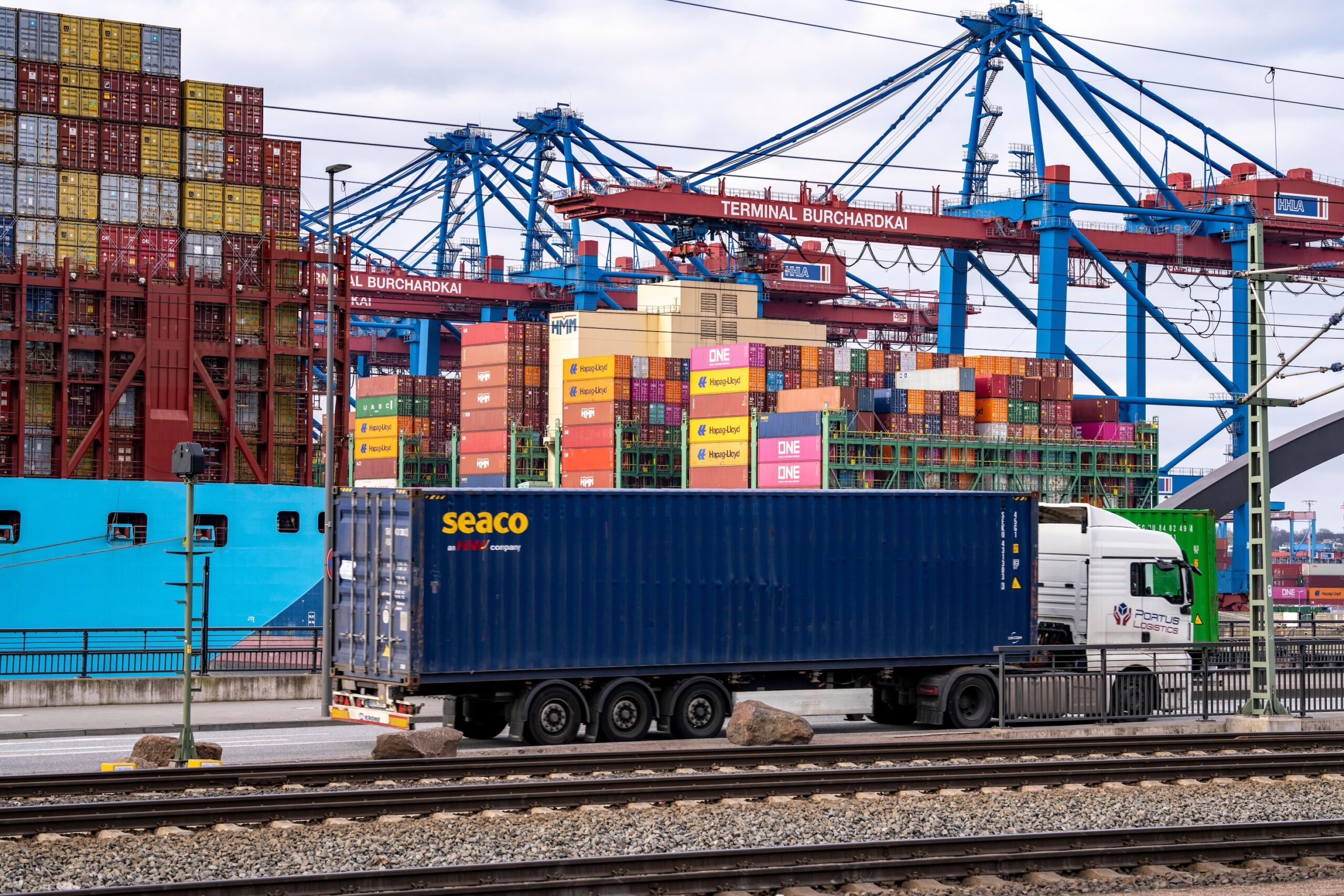

The Middle East and North Africa are witnessing a pivotal inflection in the global financial architecture, driven by strategic sovereign investments and the escalating demand for robust infrastructure solutions. Mubadala Investment Company and Stonepeak’s strategic collaboration has redefined the landscape of logistics and supply chain management, signaling a structural shift in how the region contributes to and participates in the world’s trade networks. This joint venture is poised to deliver over $300 million in capital to construct the world’s largest container leasing platform—a move that will redefine competitive dynamics, enhance capacity margins, and establish a new benchmark for industry integration.
The economic implications of this partnership extend far beyond immediate financial gains. By aggregating resources and leveraging digital transformation, the entity is fundamentally altering the economics of container leasing—a sector responsible for transporting the bulk of global trade. With the Middle East at the nexus of connectivity, this initiative underpins the strategic importance of regional infrastructure, elevating sovereign capital deployment and venture investment into a catalyst for broader economic resilience. This development underscores the region’s capacity to act as both a participant and a power broker in one of the world’s most intricate trade systems.
For sovereign stakeholders, this collaboration reinforces their role as architects of a modernized logistics ecosystem. The projected market expansion—supported by a diversified fleet and a network spanning eight million cost-equivalent units—sends a clear message that Mubadala’s infrastructure footprint is no longer confined to traditional boundaries. The venture also amplifies the appeal of MENA as a nexus for cutting-edge investment, attracting venture capital, and enhancing the region’s profile as a destination for transformational business partnerships. Such synergies are not merely operational; they are foundational to repositioning the Gulf across the global financial and technological ledger.
Within this context, the MENA corridor emerges as a strategic fulcrum for redefining capital flows and industrial capabilities. The region’s sovereign wealth mechanisms are increasingly being deployed to address systemic challenges in trade efficiency and infrastructure modernization. As container leasing matures, so too does the Middle East’s capacity to influence, reshape, and capitalize on the next wave of economic globalization—cementing its standing as a linchpin in the evolving architecture of global commerce.