
Escalating hostilities from Iran are prompting a rapid exodus of fund managers from Dubai, Abu Dhabi and Riyadh, as the region’s sovereign wealth pipelines—once the lifeblood of AI data‑center financing, energy‑transition vehicles and global emerging‑manager platforms—are jeopardized by targeted attacks on financial and economic infrastructure.
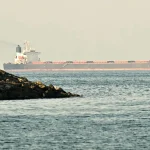
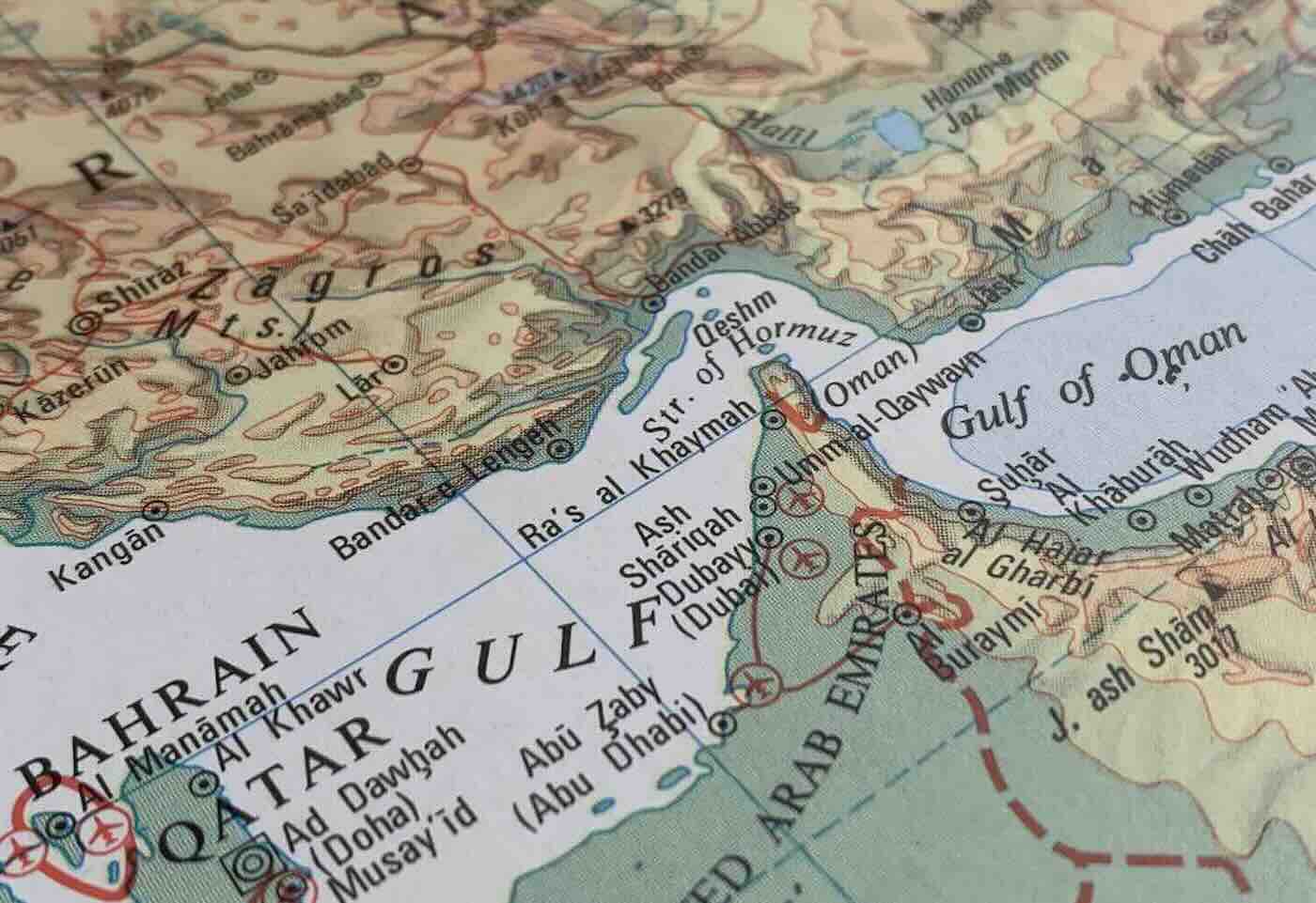
Sovereign‑wealth funds collectively managing over $5 trillion still hold ample cash buffers, yet the uncertainty is forcing a tactical pause: major allocators such as Abu Dhabi Investment Authority’s former deputy CIO Paul O’Brien advise that new capital commitments be delayed until the Strait of Hormuz corridor stabilizes, while executives at leading climate funds warn that prolonged disruption will recalibrate the speed and geography of future outflows.
Despite the turbulence, entrenched players continue to marshal capital for strategic sectors; Abu Dhabi’s Mubadala, the $330 billion sovereign fund, remains active in global alternative‑asset ventures, while Qatar Investment Authority and Saudi Arabia’s Public Investment Fund have co‑led multi‑billion‑dollar stakes in sustainable‑energy assets and climate‑focused private‑equity funds, underscoring a persistent appetite for diversification beyond oil.
Infrastructure projects across the Gulf are being recalibrated to prioritize resilience and regional connectivity, as sovereign capital begins redirecting resources toward hardening utilities, expanding data‑center ecosystems and fostering cross‑border financing corridors that link Africa, the Middle East and Asia, positioning the region to absorb shocks and emerge as a more integrated hub for the next wave of global investment.