
The prolonged de-escalation in Red Sea shipping lanes, despite the ongoing US-Iran conflict, represents a critical inflection point for regional economic stability and capital allocation strategies. The temporary cessation of Houthi attacks on commercial vessels has averted an immediate deepening of global supply chain crises, yet the underlying geopolitical risk premium persists. The most direct business impact remains the structural blow to Egypt’s Suez Canal revenue—estimated at $10 billion annually—which directly affects a sovereign asset and a cornerstone of national fiscal policy. This revenue shortfall necessitates accelerated debt management strategies and places renewed pressure on Egypt’s IMF program, compelling a faster pace of currency and subsidy reforms to attract alternative sovereign and multilateral financing.
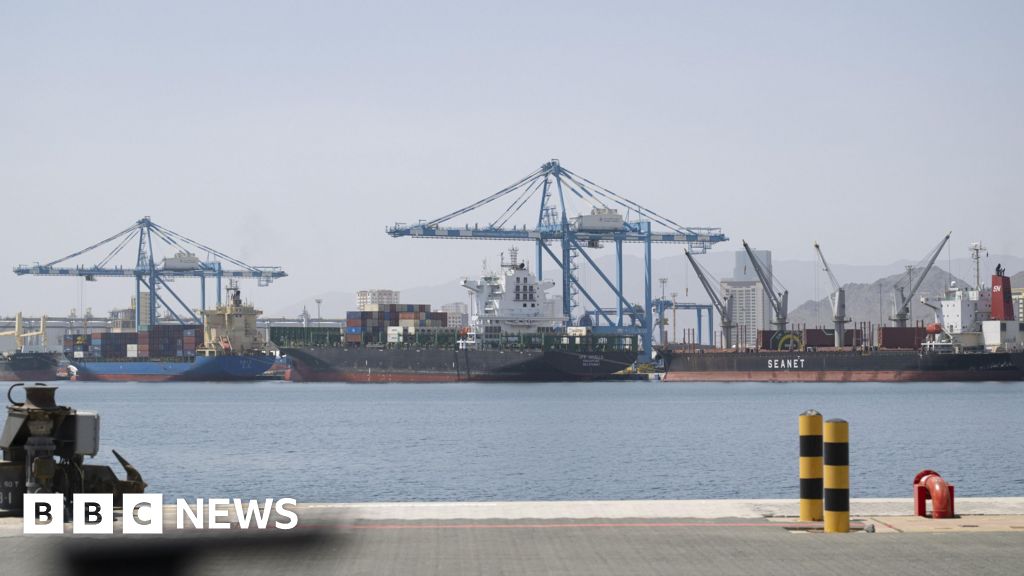
Sovereign wealth funds and state-linked investment arms across the GCC are reassessing portfolio concentrations in logistics and maritime infrastructure with heightened urgency. The strategic value of port assets in Khalifa Port (UAE), Jeddah Islamic Port (Saudi Arabia), and Duqm (Oman) has been materially re-rated as insurance against Hormuz and Red Sea chokepoint vulnerability. We anticipate a measurable shift in 2024-2025 capex from pure yield-seeking investments toward strategic infrastructure holdings that offer both financial return and national security utility. Concurrently, the threat environment is accelerating the integration of defense and dual-use technology into sovereign investment mandates, with funds like the Abu Dhabi Investment Authority and Saudi Arabia’s PIF likely to increase allocations toward regional cybersecurity, surveillance, and maritime domain awareness startups.
The venture capital ecosystem is experiencing a parallel recalibration. While overall MENA VC funding remains under pressure, capital is rapidly concentrating in technologies that mitigate trade disruption—logistics SaaS, supply chain finance, and last-mile delivery platforms. The rerouting of vessels around the Cape of Good Hope has inflated freight costs, creating a surge in demand for digital solutions that optimize longer-haul logistics. This is attracting not only regional VCs but also European and Singaporean funds seeking exposure to resilience tech. Furthermore, the explicit linking of regional proxy activity to energy market volatility is catalyzing sovereign interest in clean energy and domestic resource projects that reduce exposure to imported hydrocarbons, indirectly supporting VC growth in cleantech and agritech across the Nile Basin and Maghreb.
Long-term regional infrastructure planning is now being explicitly framed around “route diversification” and “home-shoring” imperatives. Mega-projects like Saudi Arabia’s NEOM and Egypt’s Suez Canal Economic Zone are being stress-tested for scenarios where traditional trade corridors are compromised. The business case for overland freight corridors—such as Saudi Arabia’s planned railway to Jordan and Iraq—is strengthening, presenting new opportunities for public-private partnerships. The decisive factor will be whether sovereign capital can deploy at scale to build viable alternatives before a major escalation occurs. The current lull, therefore, is not a return to status quo but a temporary window for strategic repositioning, where every infrastructure dollar is now invested through the twin lenses of economic competitiveness and geopolitical hedging.