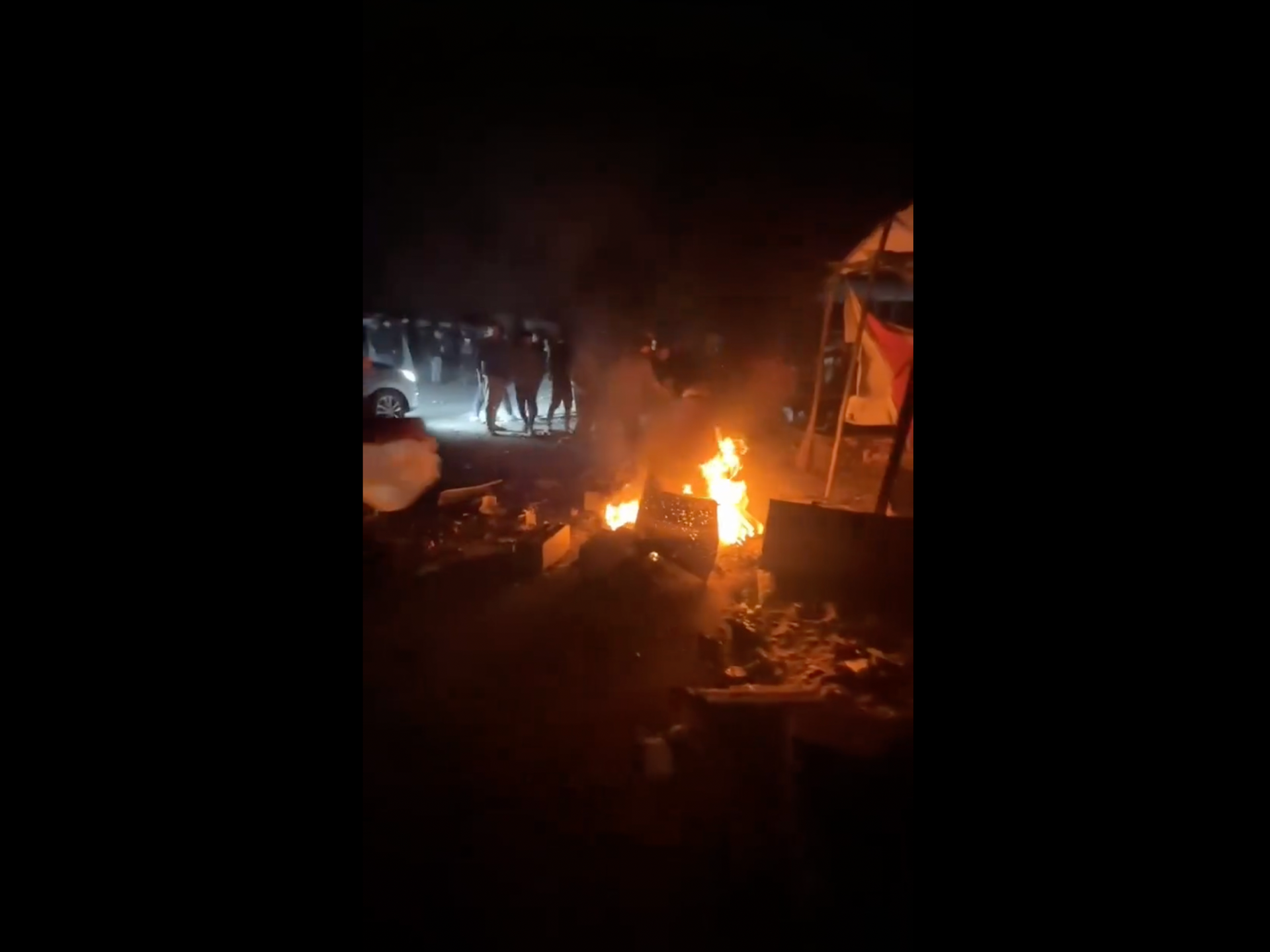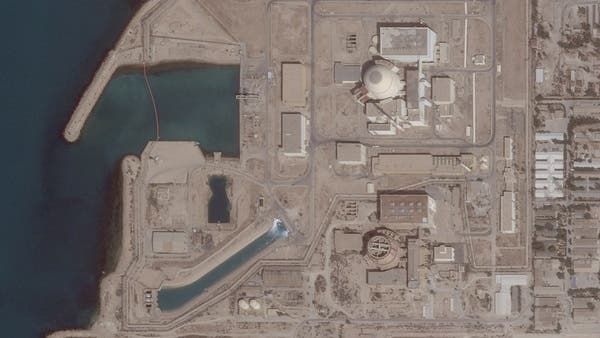

The reported projectile strike near Iran’s Bushehr Nuclear Power Plant, while causing no immediate damage or casualties, underscores the growing vulnerability of critical energy infrastructure in the Gulf amid heightened geopolitical tensions. Bushehr, Iran’s sole operational nuclear facility and a cornerstone of its electricity generation strategy, has long been a focal point for both domestic energy security ambitions and international non‑proliferation scrutiny. Any perceived threat to its operational continuity raises concerns about the reliability of Iran’s power supply, which in turn could strain the country’s fiscal balances and expose sovereign wealth funds that hold exposure to Iranian energy projects to heightened risk.
For Gulf sovereign wealth funds—particularly those of Saudi Arabia, the UAE, and Qatar—the incident reinforces a cautious stance toward allocating capital to Iranian‑linked ventures, even as sanctions regimes remain fluid. The episode is likely to prompt a reassessment of counterparty risk in existing joint‑venture agreements and may accelerate the diversion of petrodollar‑denominated capital toward perceived safer havens, such as renewable‑energy projects in North Africa or infrastructure funds targeting the Red Sea corridor. Consequently, Iran’s ability to attract foreign direct investment for downstream nuclear services, fuel cycle enhancements, or ancillary industrial zones may be further hampered, reinforcing a trend of capital flight from the country’s high‑risk energy sector.
Venture capital activity across MENA, already sensitive to macro‑political volatility, will feel a ripple effect as investors recalibrate risk models for energy‑tech startups. Firms specializing in nuclear safety monitoring, radiation detection, and grid resilience technologies could see a short‑term surge in interest from corporate venture arms seeking to mitigate exposure, yet early‑stage funding for broader nuclear‑related innovations may remain subdued due to regulatory uncertainty and reputational concerns. Simultaneously, the incident highlights the strategic imperative for regional governments to harden critical infrastructure—ports, power plants, and desalination facilities—against asymmetric threats, potentially unlocking new streams of public‑private financing for resilient infrastructure and defense‑linked technology ventures across the MENA corridor.