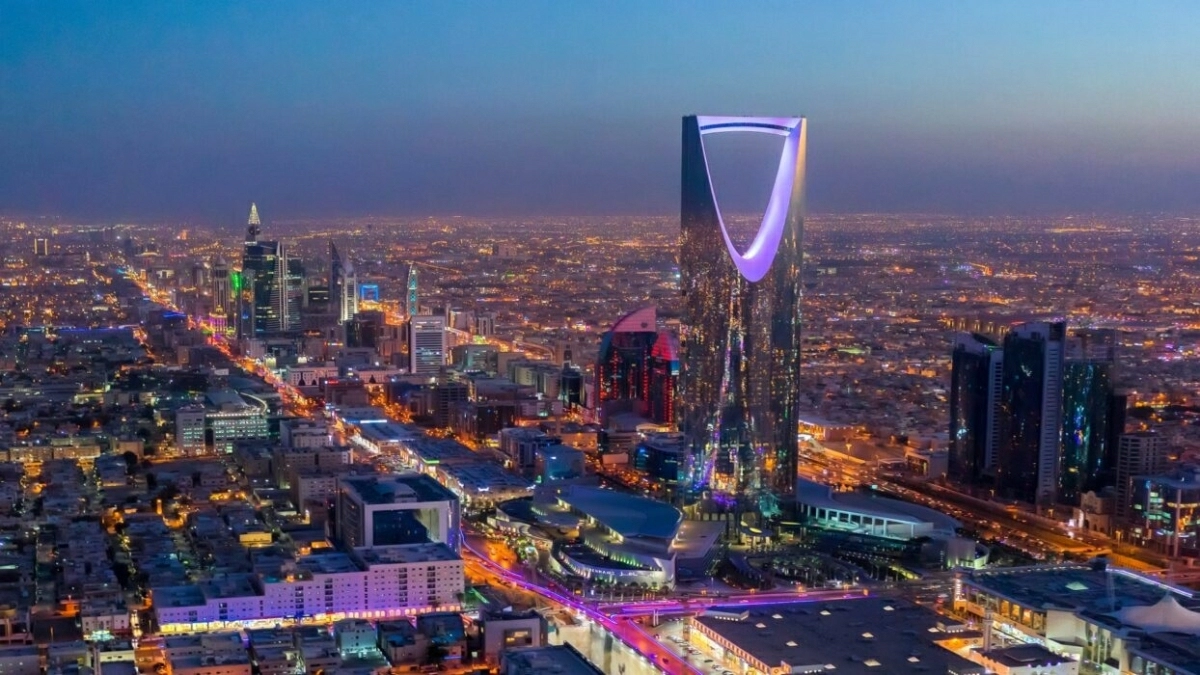
The recent UNESCO World Heritage Committee session in Riyadh marks a pivotal moment for the Middle East’s emergence as a cultural infrastructure hub, with significant implications for sovereign capital allocation across the Gulf Cooperation Council states. Saudi Arabia’s hosting of the gathering coincides with unprecedented investments in heritage tourism infrastructure, where the Public Investment Fund has committed over $50 billion toward cultural megaprojects including the Diriyah Gate and AlUla development zones. These initiatives represent a strategic pivot toward cultural economics, positioning the kingdom as a regional consolidator of heritage assets that could attract $200 billion in combined sovereign and private capital inflows by 2030.
The convergence of Saudi Vision 2030 and China’s Belt and Road Initiative creates a powerful catalyst for cross-border infrastructure investment, with cultural heritage preservation emerging as a compelling asset class for institutional investors seeking stable, inflation-linked returns. Sovereign wealth funds from both nations are increasingly viewing heritage sites as long-term infrastructure investments, with heritage-related tourism projected to generate $15 billion annually for Saudi Arabia’s economy. The Kingdom’s giga-projects are attracting significant interest from Gulf sovereign investors, with Dubai’s strategic investment arm and Qatari entities actively exploring partnerships in heritage asset monetization and cultural IP development.
Venture capital flows into cultural technology and heritage digitization are accelerating across MENA, with regional funds deploying capital toward metaverse applications, archaeological exploration platforms, and heritage tokenization initiatives. The Riyadh meeting highlighted how cultural diplomacy translates into tangible business opportunities, particularly through joint ventures between Chinese state-owned enterprises and Saudi private sector players in museum construction, smart heritage management systems, and cross-border cultural exchange platforms. These partnerships represent a new model of South-South cooperation that bypasses traditional Western-dominated cultural institutions.
The infrastructure implications extend beyond physical monuments to encompass digital heritage ecosystems, where blockchain-based provenance tracking and AI-powered conservation technologies present multi-billion dollar market opportunities. Regional telecommunications providers and cloud infrastructure companies are positioning themselves as key enablers of this digital transformation, with Saudi Telecom and UAE-based du leading investments in heritage digitization platforms. The success of initiatives like the Riyadh International Book Fair demonstrates how cultural infrastructure spending generates multiplier effects across education technology, creative industries, and hospitality sectors, creating sustainable employment opportunities for the region’s youthful demographic while attracting foreign direct investment from Asia’s emerging economies.