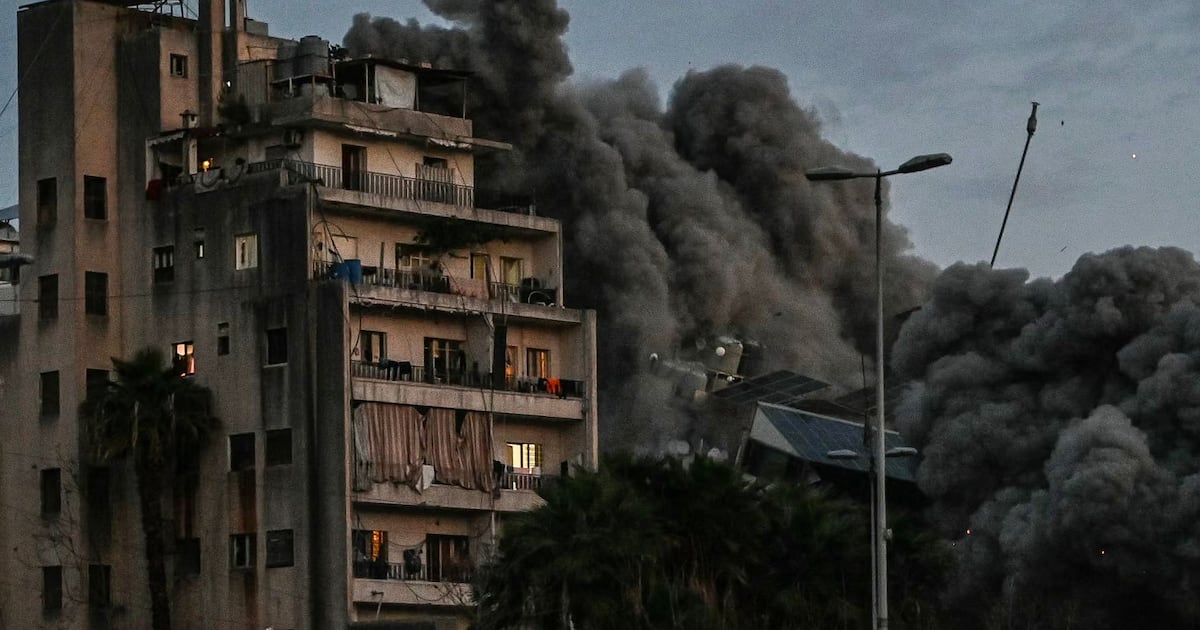

Israel’s intensified military operations in Lebanon, escalating dramatically in the past week, are generating significant repercussions across the Middle East and North Africa, impacting sovereign capital allocation, venture capital flows, and regional infrastructure resilience. The current offensive, following Iran’s recent actions, has resulted in widespread displacement, particularly in Beirut and southern Lebanon, with over one million residents ordered to evacuate. This unprecedented movement of people presents a considerable humanitarian and economic challenge for Lebanon, straining already fragile public services and potentially hindering long-term economic recovery. The scale of displacement is likely to necessitate substantial international aid, diverting resources from other development priorities and impacting the country’s fiscal stability.
The conflict’s immediate business impact is evident in the disruption of regional trade routes and supply chains. The targeting of infrastructure, including bridges and ferry crossings, directly impedes the movement of goods and people, increasing logistical costs and creating uncertainty for businesses operating in the region. Furthermore, the heightened security risks are deterring foreign investment, particularly in sectors reliant on stability and predictable operating environments. The potential for a protracted conflict creates a negative sentiment towards the region, impacting investor confidence and potentially leading to capital flight. Sovereign wealth funds in the Gulf states are likely to reassess their allocations, potentially shifting towards safer assets and reducing exposure to the immediate volatility in the Levant.
The implications for venture capital are equally significant. The heightened geopolitical risk is creating a cooling effect on investment in the broader MENA technology ecosystem. While some venture capital activity may continue in more stable markets, the uncertainty in Lebanon and the potential for wider regional escalation are likely to make investors more cautious. Startups operating in or with significant exposure to Lebanon face increased operational risks and potential delays in funding rounds. Moreover, the disruption to infrastructure and economic activity could negatively impact the growth prospects of technology companies in the region, particularly those reliant on cross-border collaboration or regional market access. The long-term impact will depend on the duration and intensity of the conflict and the subsequent efforts towards de-escalation and reconstruction.
Beyond the immediate economic and financial consequences, the ongoing hostilities underscore the critical need for regional infrastructure resilience. The destruction of vital infrastructure in Lebanon highlights vulnerabilities across the MENA region that require urgent attention. This includes investments in more resilient infrastructure designs, diversification of supply chains, and the development of robust disaster preparedness plans. The conflict also emphasizes the importance of regional cooperation in addressing shared security challenges and fostering economic stability. The long-term implications extend to the geopolitical landscape, potentially reshaping alliances and influencing regional power dynamics, with implications for energy security, maritime trade, and broader economic integration within the Middle East and North Africa.
HTML Paragraph tags (
) are used for formatting.