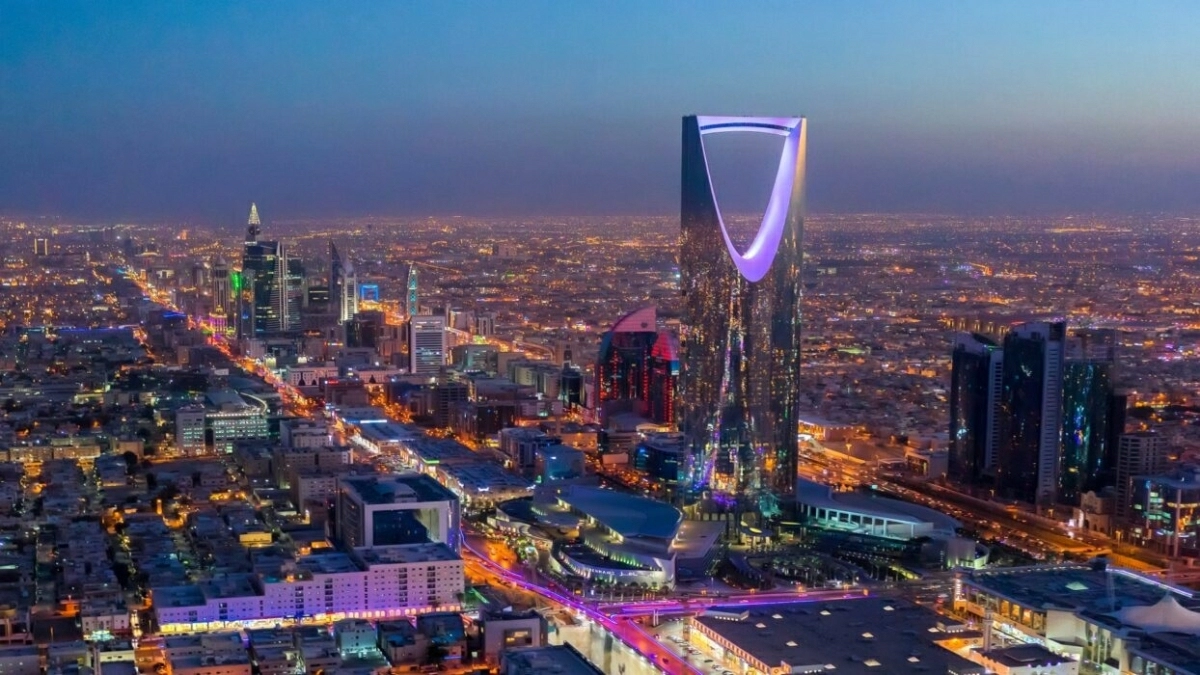

Short-term borrowing costs in the Middle East and North Africa (MENA) have surged to levels not witnessed since last summer as central banks across the region respond to escalating inflationary pressures by tightening monetary policy. The hawkish shift, driven by elevated oil prices and supply-chain bottlenecks, has pushed benchmark interest rates to multi-year highs, with Saudi Arabia, Egypt, and the United Arab Emirates recalibrating their policy frameworks to rein in consumer demand and stabilize currency valuations. This tightening cycle, while necessary to anchor inflation, is exacerbating borrowing costs for both corporates and governments, triggering a dual challenge for the region’s economic trajectory. The immediate business impact is pronounced: multinational firms with regional operations are recalibrating capital expenditure plans, while local enterprises face elevated financing costs for working capital and expansion. Project financing for infrastructure and manufacturing is particularly strained, as higher discount rates erode the viability of debt-backed initiatives, prompting a shift toward equity financing or delayed execution. In a region where economic diversification remains a strategic priority, the surge in capital costs threatens to slow progress on non-oil sectors, from renewable energy to logistics, underscoring the fragility of growth models reliant on foreign capital inflows.
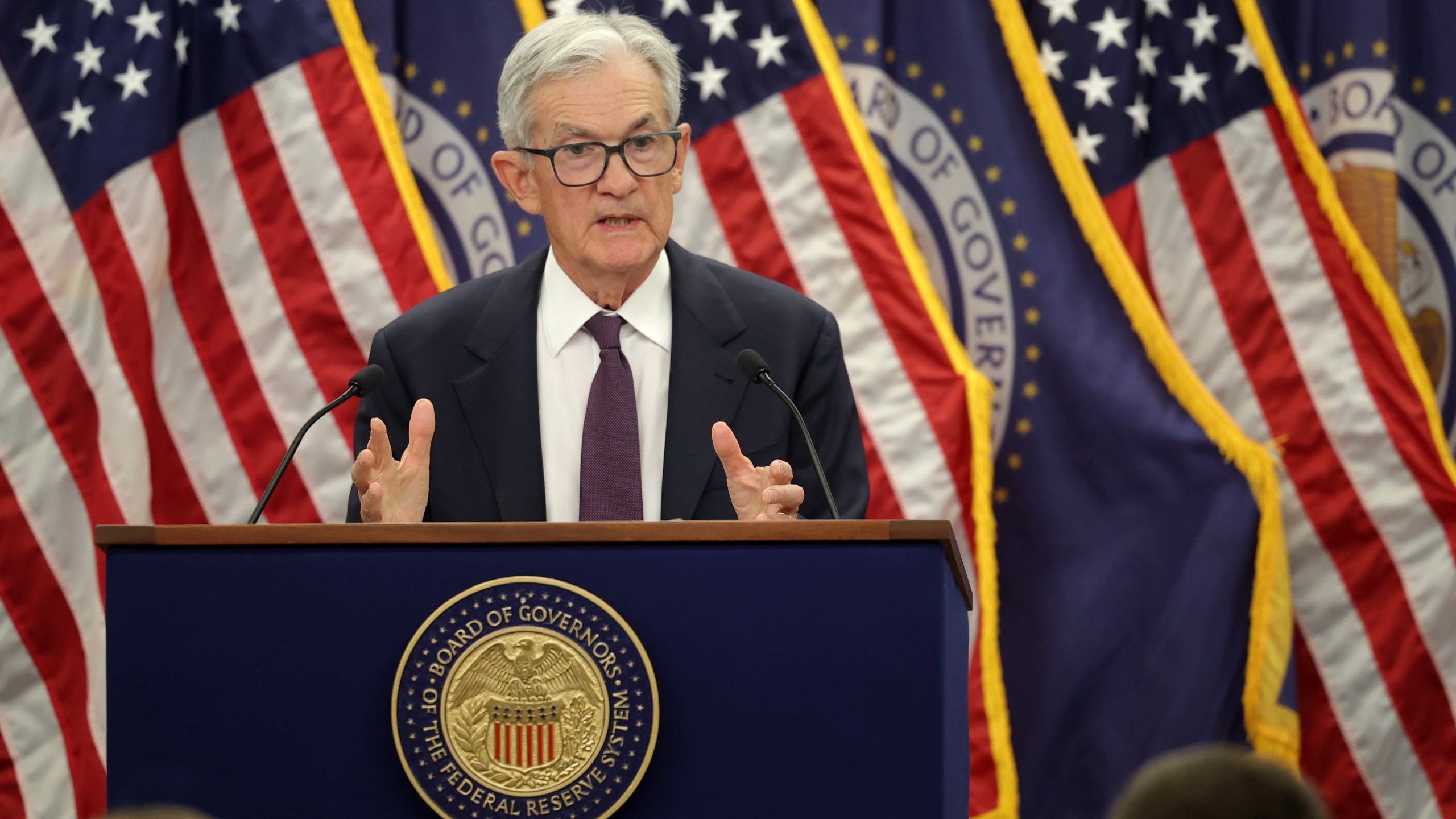
The sovereign capital landscape is equally strained, with MENA central banks tightening fiscal levers to offset inflationary shocks. Countries grappling with dollar-denominated debt burdens—such as Lebanon, Jordan, and Egypt—face heightened refinancing risks as global interest rates tighten. The depreciation of local currencies, exacerbated by the U.S. Federal Reserve’s prolonged tightening, is squeezing balance sheets, compelling governments to recalibrate subsidy regimes and public expenditure. Egypt’s recent bond issuance, for instance, saw yields spike amid investor skepticism about fiscal sustainability, while Saudi Arabia’s sovereign borrowing costs are rising on tighter global risk appetites despite its relatively stronger fiscal position. This dynamic is deepening regional debt vulnerabilities, with credit rating agencies downgrading several economies, reflecting fears of fiscal overreach amid constrained revenue streams from declining oil subsidies. The intersection of tighter monetary policy and fiscal stress is intensifying calls for regional coordination on debt restructuring, though divergent political agendas and currency regimes complicate collective action.
Venture capital activity in the MENA region is experiencing a contraction, as elevated interest rates reduce the availability of cheap debt and dampen investor risk tolerance. Global VC funds, already retreating from high-risk geographies, are further curtailing exposure as internal rate of return (IRR) benchmarks rise, squeezing valuations of early-stage startups. Sectors reliant on prolonged capital burn cycles, such as fintech and mobility, are feeling the brunt, while impact investing in education and agritech faces headwinds from tighter risk parameters. Local venture players, including Gulf-based sovereign wealth funds, are tightening purse strings amid portfolio rebalancing toward safer assets, signaling a shift from growth-at-all-costs models to profitability-driven deployments. This liquidity crunch is stifling innovation and talent retention, particularly in satellite sectors like digital infrastructure, where sequential funding rounds are critical. However, niche opportunities persist in niche verticals such as sustainable finance and blockchain, where GCC policymakers are offering targeted incentives to attract capital.
Regional infrastructure development is confronting a dual bottleneck of rising borrowing costs and diminishing private-sector participation. Public-private partnerships (PPPs), once hailed as a cornerstone for economic diversification, are losing traction as governments face heightened scrutiny over fiscal commitments. Projects like Egypt’s new capital city and Saudi Arabia’s NEOM face delays as lenders demand higher collateral guarantees amid tighter credit spreads. Meanwhile, sovereign guarantees for foreign direct investment (FDI) are becoming politically contentious, with some Gulf states opting for parallel financing pools to bypass international capital markets. The implications for critical infrastructure—ranging from energy grids to water security—are stark: delays in renewable energy rollouts and digital connectivity initiatives threaten to entrench dependency on legacy systems, undermining long-term competitiveness. To mitigate this, regional policymakers must prioritize fiscal consolidation and sovereign credit enhancement, while leveraging blended financing mechanisms to de-risk investments. The coming months will test the resilience of MENA’s economic blueprint, as the interplay of capital flows, policy discipline, and structural reforms determines whether the region can avoid a sustained growth slowdown.