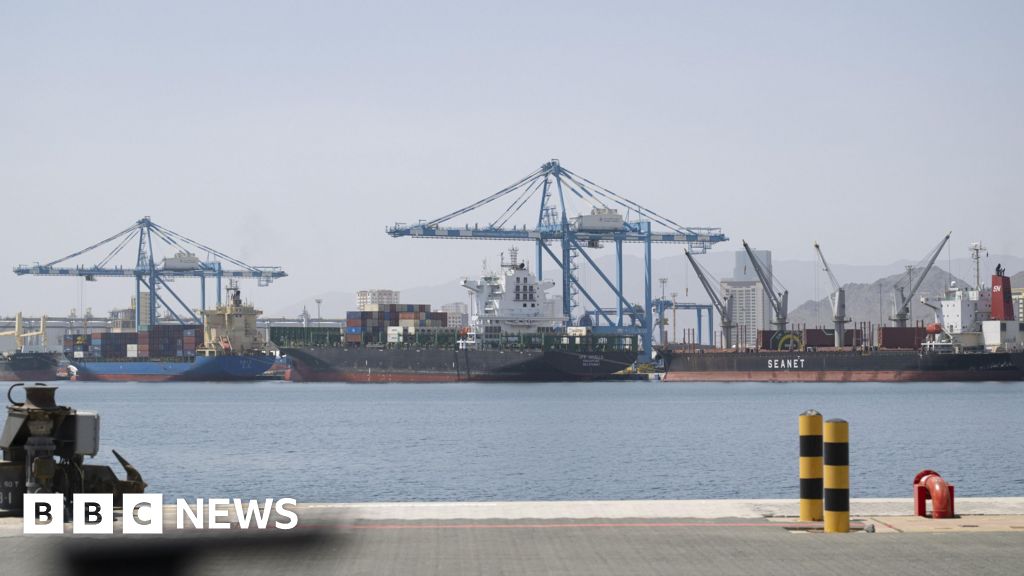

Portcapacity constraints within the UAE’s Gulf‑facing terminals are becoming a decisive factor in regional trade flows. Khorfakkan’s five‑million‑TEU ceiling and Fujairah’s sub‑one‑million limit leave little room to absorb the shortfall from Jebel Ali’s 15.6‑million‑TEU throughput, which itself accounts for roughly 28 percent of DP World’s consolidated 56.1‑million‑TEU volume. In response, DP World has activated regional rerouting and operational mitigation measures to preserve supply‑chain continuity, but the structural bottleneck at the Strait of Hormuz remains a systemic risk for Gulf‑based logistics hubs.
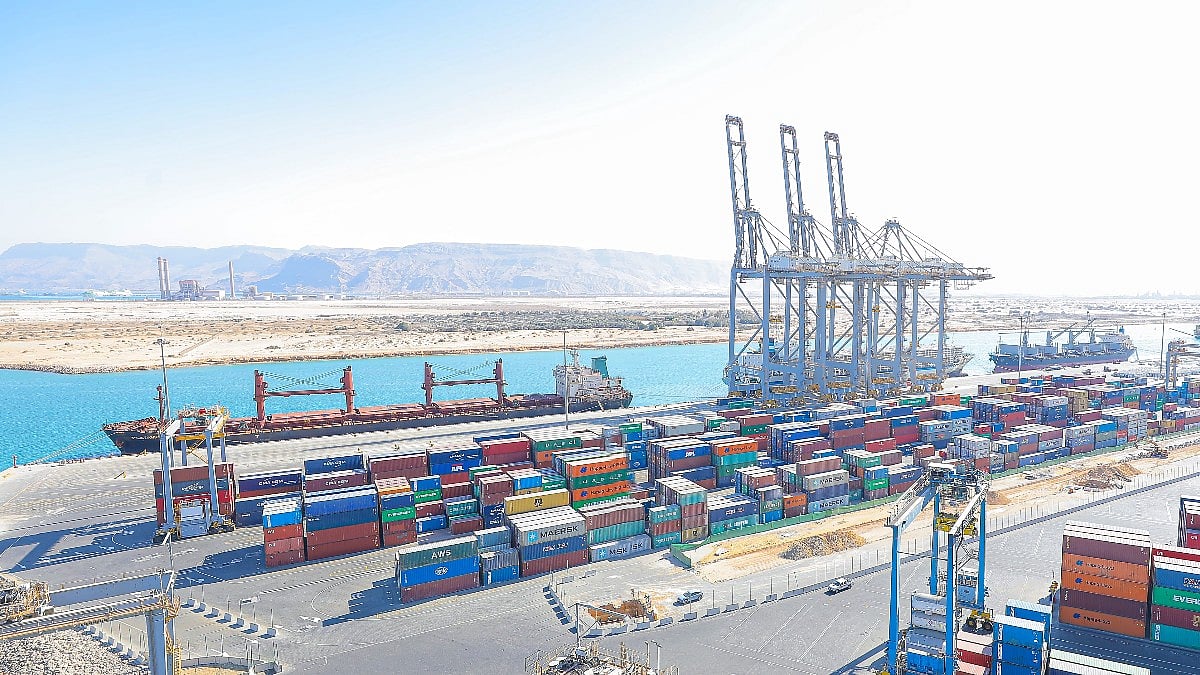
The resulting pressure is redirecting cargo toward the Red Sea gateway ports, notably Jeddah in Saudi Arabia and Sokhna in Egypt. Anticipated uplift in container volumes at these facilities is prompting sovereign wealth funds and state‑linked investors to earmark additional capital for terminal expansion, deep‑dredging projects, and ancillary logistics zones. Such allocations align with broader national visions—Saudi Vision 2030’s logistics hub ambitions and Egypt’s Suez Canal economic corridor strategy—thereby reinforcing the strategic importance of Red Sea infrastructure as a counterweight to Gulf‑centric choke points.
Beyond sovereign financing, the surge in Red Sea traffic is catalyzing venture‑capital and private‑equity interest in technology‑enabled logistics solutions. Investors are targeting platforms that enhance berth productivity, automate customs clearance, and provide real‑time multimodal visibility, recognizing that efficiency gains will be critical to handling incremental TEU growth without proportional cost escalation. Concurrently, the need for robust hinterland connectivity—rail links to inland industrial clusters, upgraded road networks, and integrated free‑zone ecosystems—has moved to the forefront of regional infrastructure planning, with public‑private partnership frameworks being revisited to accelerate delivery.
Overall, the shift of trade flows to the Red Sea underscores a rebalancing of MENA’s logistics architecture. Sovereign capital is poised to fortify port assets, venture capital is targeting the digital layer that will sustain higher throughput, and policymakers are compelled to address multimodal linkages to ensure that increased maritime traffic translates into sustained economic value across the region. The crisis, while exposing vulnerabilities, is simultaneously shaping a more resilient and diversified logistics baseline for the Middle East and North Africa.