
HE Dr Sultan Al Jaber: energy infrastructure should never be a target
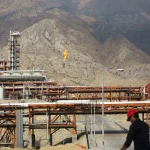
The targeted strikes on critical energy infrastructure across Qatar and the UAE represent a catastrophic escalation in regional tensions, triggering immediate and profound market disruptions while exposing systemic vulnerabilities in Gulf energy security. Iranian projectiles and drones inflicted significant damage on the Ras Laffan complex in Qatar, halting operations at the Pearl GTL facility and igniting substantial fires, as confirmed by QatarEnergy. Simultaneously, UAE air defences intercepted incoming threats targeting the Habshan gas facility and Bab field, though debris caused temporary shutdowns at those sites, including the Sabla area. Saudi Arabia confirmed strikes on refineries near Riyadh, while Kuwait’s KPC reported fires at major refineries. These coordinated attacks, following an Israeli strike on Iran’s South Pars field, signal a deliberate targeting of energy supply chains rather than isolated military objectives. The consequences extend far beyond regional borders, converging capital markets and sovereign strategies. Brent crude surged past $114/barrel, while European and U.S. gas futures prices experienced their most significant single-day increases since the conflict began, reflecting acute supply fears. This volatility underscores the immediate financial impact on sovereign wealth funds and state-owned energy giants, who face potential production shortfalls and elevated risk premiums.
UAE Minister of Industry and Advanced Technology, and ADNOC CEO HE Dr Sultan Al Jaber denounced the attacks as “unjustified, unprovoked and illegal,” framing them explicitly as “global economic warfare” that weaponizes energy flows. In LinkedIn posts and a Wall Street Journal interview, he emphasized the existential threat to global energy stability, stating: “Energy security is global economic stability. When energy systems are targeted, the consequences are felt by our teams on the front line, by communities here in the Emirates, and by households and economies around the world.” Al Jaber pledged ADNOC’s unwavering commitment to its role as a “responsible, reliable energy supplier,” while acknowledging the necessity of assessing localized damage and adjusting supply chains incrementally. The UAE Ministry of Foreign Affairs reinforced this narrative, condemning the attacks as a “dangerous escalation” and “violation of international law” that constitutes a direct threat to global energy security. Regional allies echoed this sentiment, with a Riyadh-based ministerial meeting affirming Iran’s actions “could not be justified under any pretext” and affirming states’ right to self-defense under UN Charter Article 51. This unified condemnation highlights the geopolitical fractures but also the potential for coordinated sovereign responses focused on protecting critical energy assets and stabilizing markets.
The attacks on the Gulf’s LNG export infrastructure, particularly the devastating impact on QatarEnergy’s Pearl GTL at Ras Laffan, carry long-term implications for sovereign capital allocation and regional venture capital dynamics. Analysts project “months of repairs” for damaged facilities, projecting a potential five-year setback in LNG supply capacity—a scenario described as “back to where we were in 2021” by Columbia University’s Center on Global Energy Policy. This disruption amplifies volatility and accelerates strategic diversification efforts within MENA states. Sovereign wealth funds and governments will increasingly prioritize investments in resilient infrastructure and alternative export routes, while venture capital may shift towards supporting innovations in energy storage, renewables integration, and cyber-security for critical energy assets. The attacks underscore the fragility of existing infrastructure and the imperative for massive sovereign capital deployment to rebuild and fortify facilities. The resultant supply uncertainty, however, may dampen near-term venture capital appetite for high-risk energy projects within the region, favoring more stable downstream or renewable initiatives. Ultimately, the attacks cement Gulf energy infrastructure as a central geopolitical flashpoint, demanding unprecedented levels of sovereign capital commitment to ensure regional stability and global energy continuity.