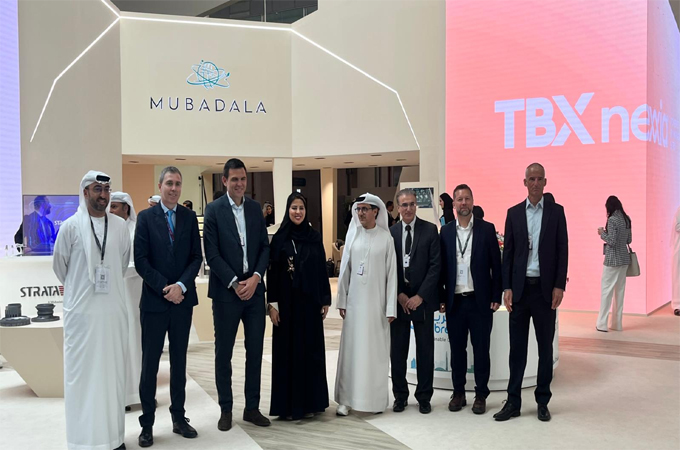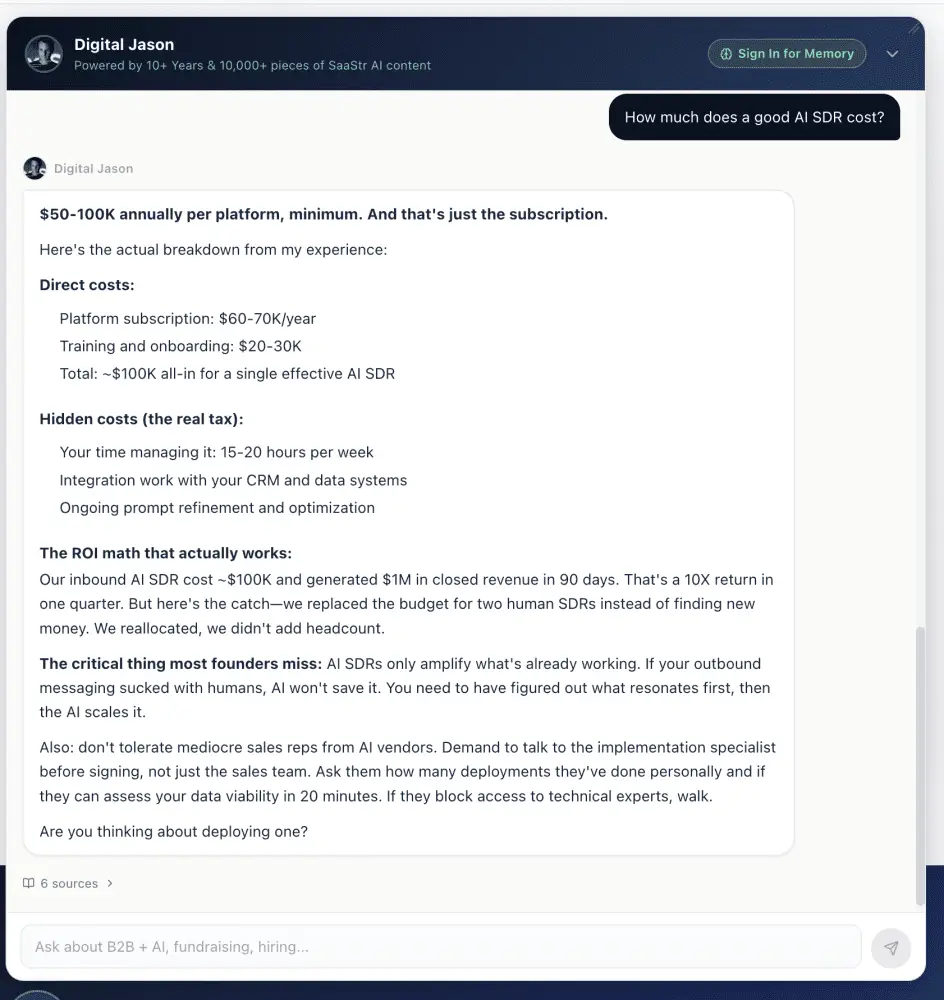

The launch of an advanced proprietary AI agent by a major SaaS operator underscores a pivotal shift in how global digital infrastructure is being architected for enterprise workflows. For the Middle East and North Africa, this development is not merely a product update but a strategic benchmark. Regional sovereign wealth funds such as the UAE’s Mubadala and Saudi Arabia’s Public Investment Fund have allocated substantial capital toward AI and cloud infrastructure, seeking to build domestic capability while attracting global technology partnerships. The deployment of a tailored, memory-capable AI assistant—leveraging frontier models like Claude—signals the maturation of operational AI beyond simple chatbots, a trajectory that regional venture capital firms, from Wadi in Saudi Arabia to BECO in Egypt, will scrutinize as a template for portfolio company efficiency and customer engagement strategies.
The business implications are profound. The agent’s integration with a vast content corpus and its capacity for persistent, contextual dialogue directly addresses a critical pain point for scaling B2B enterprises: knowledge management and personalized sales enablement. In MENA, where startups and scale-ups often grapple with fragmented market data and multilingual customer bases, such a tool could dramatically compress sales cycles and improve customer retention. This raises the stakes for local venture capital, which will now need to assess portfolio companies not just on product-market fit but on their operational AI readiness. Furthermore, the agent’s ease of embedding highlights a growing demand for customizable, white-label AI solutions—a niche regional tech service providers and system integrators must rapidly develop to capture value, moving beyond mere implementation to owning the applied layer.
Strategically, this launch accelerates pressure on the region’s digital infrastructure. Sovereign capital is already channeling billions into data centers and cloud regions (e.g., AWS’s expansion in the UAE, coreWeave’s regional ambitions) to support compute-intensive workloads. A sophisticated AI agent requiring persistent memory and real-time content retrieval tests the limits of local latency and data sovereignty frameworks. MENA regulators, from the Dubai International Financial Centre to the Saudi Data & Artificial Intelligence Authority, will observe such deployments closely, potentially fast-tracking localized AI ethics guidelines and data residency policies. The transition from third-party platforms to proprietary builds—as noted by the operator—mirrors a regional imperative: controlling the AI stack to ensure compliance, cost management, and competitive differentiation, a lesson sovereign investment arms will embed in their tech mandates.
Ultimately, the rollout represents a tangible case study in applied AI for the MENA business ecosystem. It demonstrates that operationalizing AI at scale is now a core competency, not an experimental add-on. For regional founders, the bar has been raised on building intelligent, integrated customer interfaces. For sovereign and institutional investors, it validates the strategic bet on AI-native infrastructure and talent development. The regions that successfully align their venture capital directives, infrastructure spend, and regulatory frameworks to support such deep-tech operationalization will capture disproportionate value in the next phase of digital transformation, moving from consumption to creation in the global AI economy.