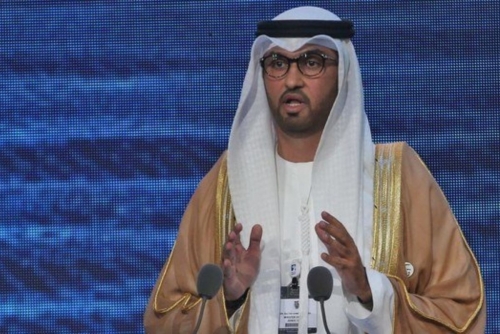

The recent escalation of attacks targeting Gulf energy infrastructure, stemming from the retaliatory strikes following U.S. and Israeli action against Iran, represents a profoundly destabilizing event with far-reaching implications for the Middle East and the global energy market. Dr. Sultan Al Jaber’s characterization of these actions as “global economic warfare” accurately reflects the potential for cascading disruption. Beyond the immediate regional tensions, the attacks directly threaten the flow of hydrocarbons – a cornerstone of the region’s economy and a critical component of global supply chains. This volatility is already manifesting in heightened risk premiums across energy futures, suggesting a potential for significant price spikes should the conflict broaden or persist.
From a sovereign capital perspective, the attacks necessitate a rapid reassessment of investment strategies. Gulf states, traditionally reliant on oil revenues, are now compelled to bolster domestic energy production capabilities and diversify their economies with greater urgency. This will likely trigger increased sovereign wealth fund activity, focusing on renewable energy projects and strategic investments in downstream petrochemicals – a shift away from purely fossil fuel-based assets. Furthermore, the instability is likely to accelerate the push for greater regional integration, particularly within the framework of initiatives like Saudi Arabia’s Vision 2030, as nations seek to mitigate risk through collective action and shared infrastructure development. The potential for sovereign guarantees and blended finance models will become increasingly important as investors evaluate exposure to the region.
Venture capital activity within the MENA region is also poised for a significant recalibration. While sectors like fintech and e-commerce remain attractive, investment flows are likely to gravitate towards critical infrastructure – particularly in the energy and cybersecurity domains. Expect to see increased interest in technologies designed to enhance grid resilience, improve operational efficiency, and bolster defenses against future attacks. Furthermore, the need for localized data storage and processing solutions, driven by concerns about geopolitical risk and data sovereignty, will fuel investment in the burgeoning regional cloud computing market. Sectors benefiting from increased government spending related to national security and energy independence will also see heightened attention.
Finally, the attacks underscore the critical need for substantial investment in regional infrastructure. The vulnerability of existing energy facilities highlights deficiencies in cybersecurity protocols and operational resilience. Moving forward, significant capital expenditure will be required to upgrade transmission networks, enhance storage capacity, and implement advanced monitoring systems. This represents not just a defensive imperative, but also an opportunity to modernize the region’s energy sector and position it for long-term sustainability. The international community’s call for a UN debate reflects a growing recognition that addressing the underlying security challenges and fostering a stable operating environment are prerequisites for sustained economic growth and global energy security.