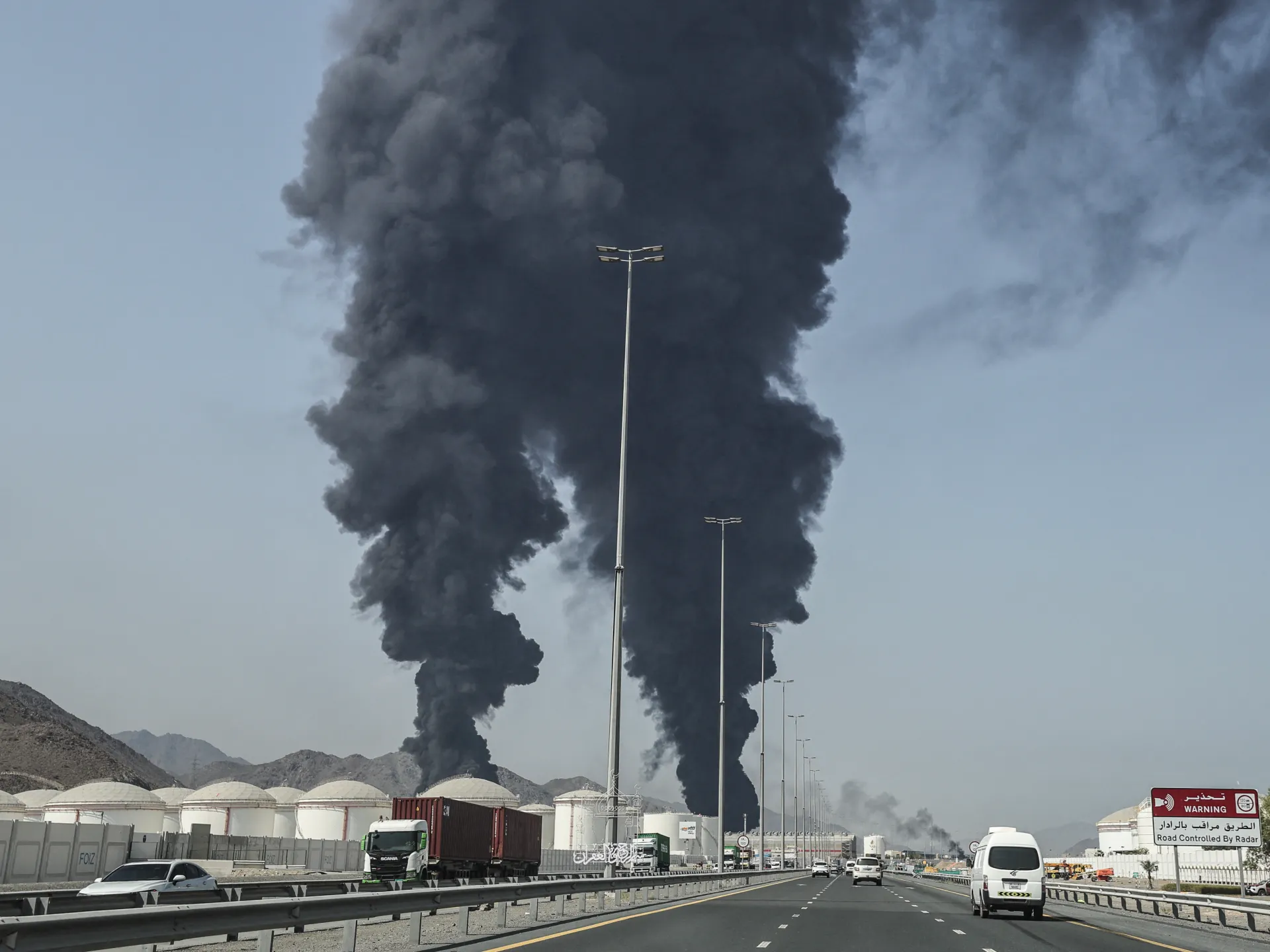

The accelerating exchanges between Gulf security partners and external military coalitions are reshaping the risk calculus for sovereign capital allocations across the region. With Iranian retaliatory strikes on critical energy installations such as Saudi Arabia’s Mina al‑Ahmadi refinery and Qatar’s Ras Laffan plant, sovereign wealth funds are tightening asset‑class exposure, while sovereign debt issuers are confronting heightened refinancing spreads linked to geopolitical volatility. The precedent of Western‑backed air‑defence systems—Patriot batteries, advanced missile‑interceptors, and coordinated naval escorts—demonstrates a direct infusion of defence‑oriented sovereign spending that now competes with traditional fiscal commitments, compelling ministries to re‑prioritise capital programmes under strain.
Parallel to sovereign fiscal adjustments, venture‑capital ecosystems in the Gulf are witnessing a bifurcation of funding streams. Institutional investors are increasingly channeling resources into defence‑adjacent technology firms—particularly in unmanned aerial systems, missile‑defence software, and secure communications—while maintaining a guarded stance toward broader deep‑tech ventures that lack explicit security integration. The presence of multinational defence hubs such as Al Udeid and PSAB has amplified demand for dual‑use innovation, prompting venture funds to structure co‑investment vehicles that align with government procurement pipelines. Consequently, the region’s start‑up momentum is being steered toward security‑centric solutions, reshaping the long‑term growth trajectory of its innovation sector.
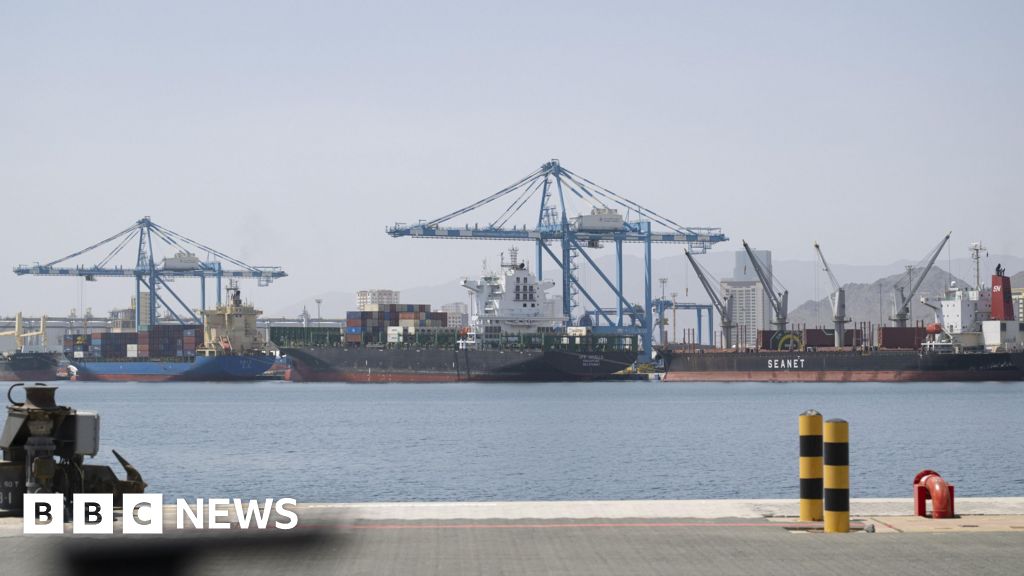
Infrastructure resilience plans are being recalibrated in response to persistent attacks on energy and transport nodes that are pivotal to regional logistics chains. The utilization of dual‑purpose facilities—such as Al‑Dhafra airbase, the Port of Duqm, and Camp Arifjan—places critical civil assets under military protection, prompting sovereign and multilateral financiers to embed security protocols into infrastructure concession frameworks. This convergence of sovereign capital, strategic defence partnerships, and venture‑backed technological upgrades is creating a new financing architecture wherein public‑private collaborations must deliver not only economic returns but also hardened defensive capabilities, thereby altering the investment horizon for future megaprojects.
Looking ahead, the ability of external allies to sustain credible deterrence—through naval escorts of the Strait of Hormuz and replenishment of missile‑defence stocks—will determine the pace of capital reallocation across the Gulf. Sovereign holders of oil‑linked revenues are likely to deploy incremental fiscal buffers toward defence modernization, while private equity and sovereign wealth entities will seek exposure to technologies that mitigate disruption risk. The regional infrastructure narrative is shifting from sheer capacity expansion to a model where security‑by‑design is a prerequisite for funding, thereby cementing a strategic linkage between geopolitical stability, technological advancement, and long‑term financial sustainability.