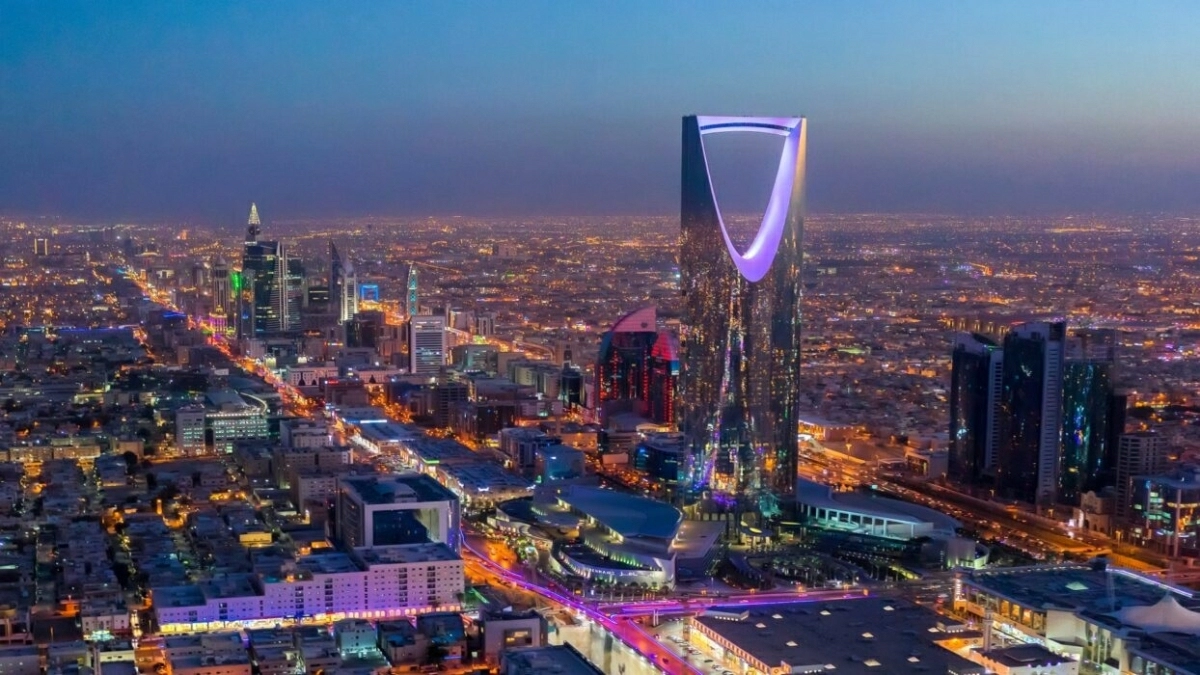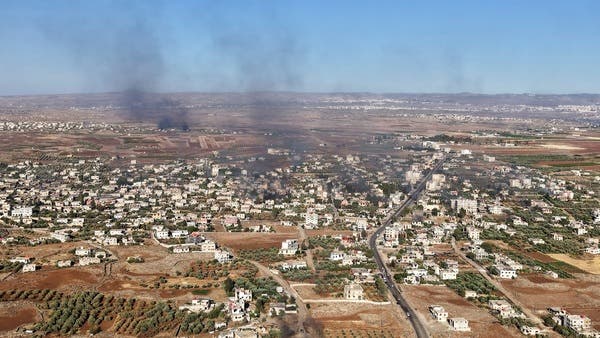

The latest Israeli airstrikes on Syrian military infrastructure near Sweida, framed as protective measures for the Druze minority, underscore a volatile recalibration of sovereignty capital deployment across the Levant. Such unilateral actions by regional powers directly impede the stability required for sovereign wealth funds and institutional investors to commit to Syria’s nascent post-Assad reconstruction. Riyadh and Abu Dhabi, previously cautious yet opportunistic, will face intensified pressure to secure their multi-billion dollar regional portfolios against spillover risks from Gaza and Syrian theater conflicts, potentially diverting capital towards secured Gulf infrastructure projects.
The escalating violence fragments prospects for venture capital inflows into Syria’s nascent tech and logistics sectors, creating operational vulnerabilities across value chains. Early-stage VC players eyeing conflict-adjacent markets must factor in heightened sovereign and security premiums, dampening enthusiasm for platforms reliant on cross-border connectivity. Simultaneously, Israel’s intensified military footprint in the Golan Heights further complicates regional integration efforts, disrupting critical data corridors and energy transit networks vital for GCC-led pan-MENA digital infrastructure initiatives like Saudi NEOM and Jordan’s smart city hubs.
Strategically, the deterioration in Syrian sovereignty accelerates a bifurcated regional infrastructure landscape, with GCC nations prioritizing intra-Gulf and Red Sea-Indian Ocean supply chains to circumvent traditional Levantine transit routes. This fragmentation necessitates accelerated sovereign financing for redundant logistical assets and cybersecurity hardening. The enduring volatility necessitates that MENA’s institutional capital and venture ecosystems develop integrated risk frameworks evaluating military intervention thresholds and conflict resolution timelines as core investment variables in sovereign exposure modeling.