
Senior analystsassess the escalating US-Iran conflict as triggering significant strategic imperatives and financial repercussions across the Middle East and North Africa, with profound implications for sovereign capital allocation, venture capital flows, and regional infrastructure resilience.
The coordinated military operations—including strikes on Natanz and Tehran, Iranian missile launches against Gulf states, and attacks on critical infrastructure—have precipitated a seismic surge in global energy prices, exceeding 50% since hostilities commenced. This volatility directly impacts sovereign wealth funds (SWFs) across the Gulf, which face mounting pressure to mitigate inflationary pressures through strategic reserve management and currency interventions while safeguarding long-term energy transition portfolios. Concurrently, venture capital activity within the region faces immediate disruption, with traditional funding pipelines constrained by heightened risk aversion and regional capital flight, potentially redirecting investments towards defense and energy security sectors.
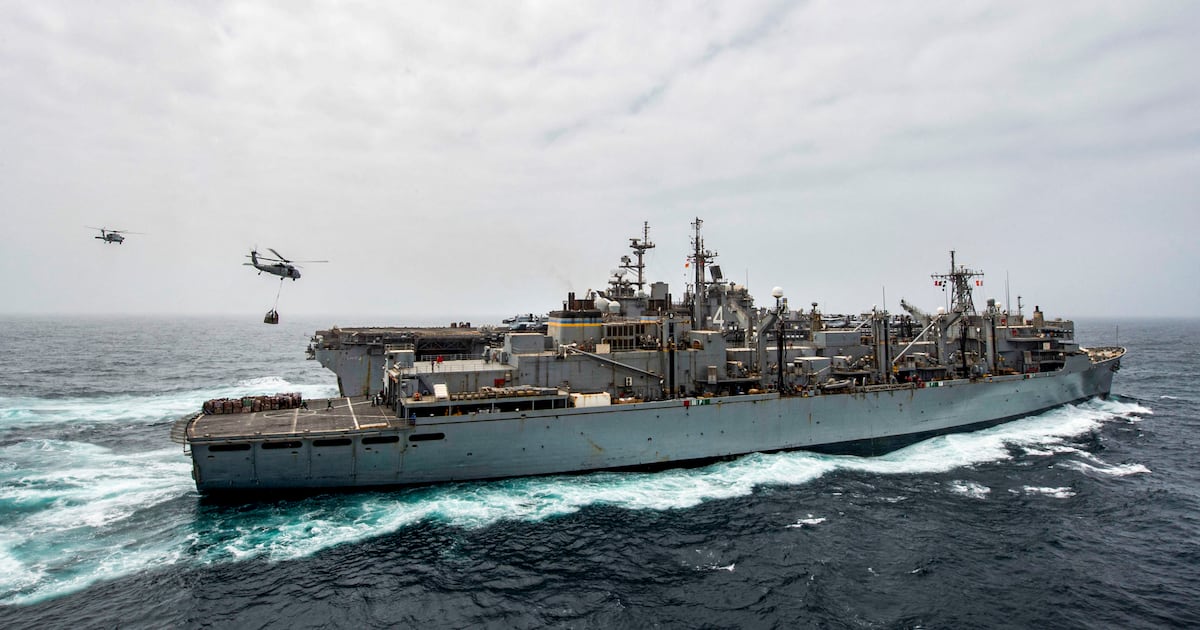
US deployment of additional marines and naval assets underscores the escalating commitment to regional security, though President Trump’s public rejection of ground troops in Iran contrasts with demands for NATO allies to contribute to reopening the Strait of Hormuz. This stance exacerbates friction with European partners, whose reluctance to engage militarily risks fragmenting collective security architectures. For MENA infrastructure investors, the conflict underscores the critical vulnerability of maritime chokepoints and energy corridors, compelling urgent reassessments of supply chain resilience and necessitating substantial sovereign capital deployment into defensive infrastructure projects.
Ultimately, the conflict’s trajectory will dictate the MENA region’s economic stability, with sovereign funds likely to prioritize defensive infrastructure and energy diversification as core strategic imperatives. Venture capital may increasingly channel towards technologies addressing security and energy security challenges, while the sustained closure of the Strait of Hormuz threatens to impose prolonged global economic shocks, reinforcing the strategic imperatives of sovereign capital mobilization and regional infrastructure fortification in the face of persistent geopolitical turbulence.