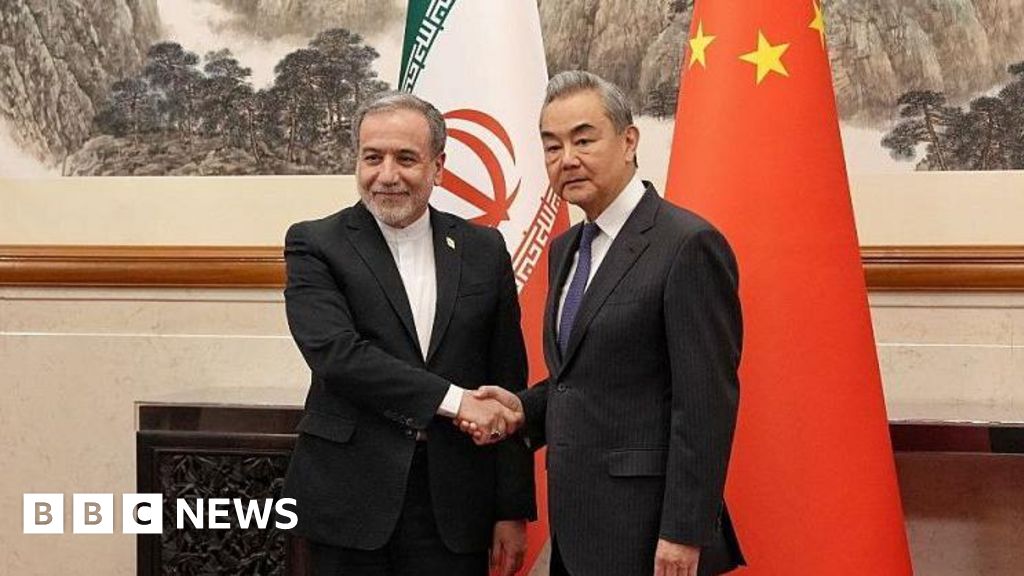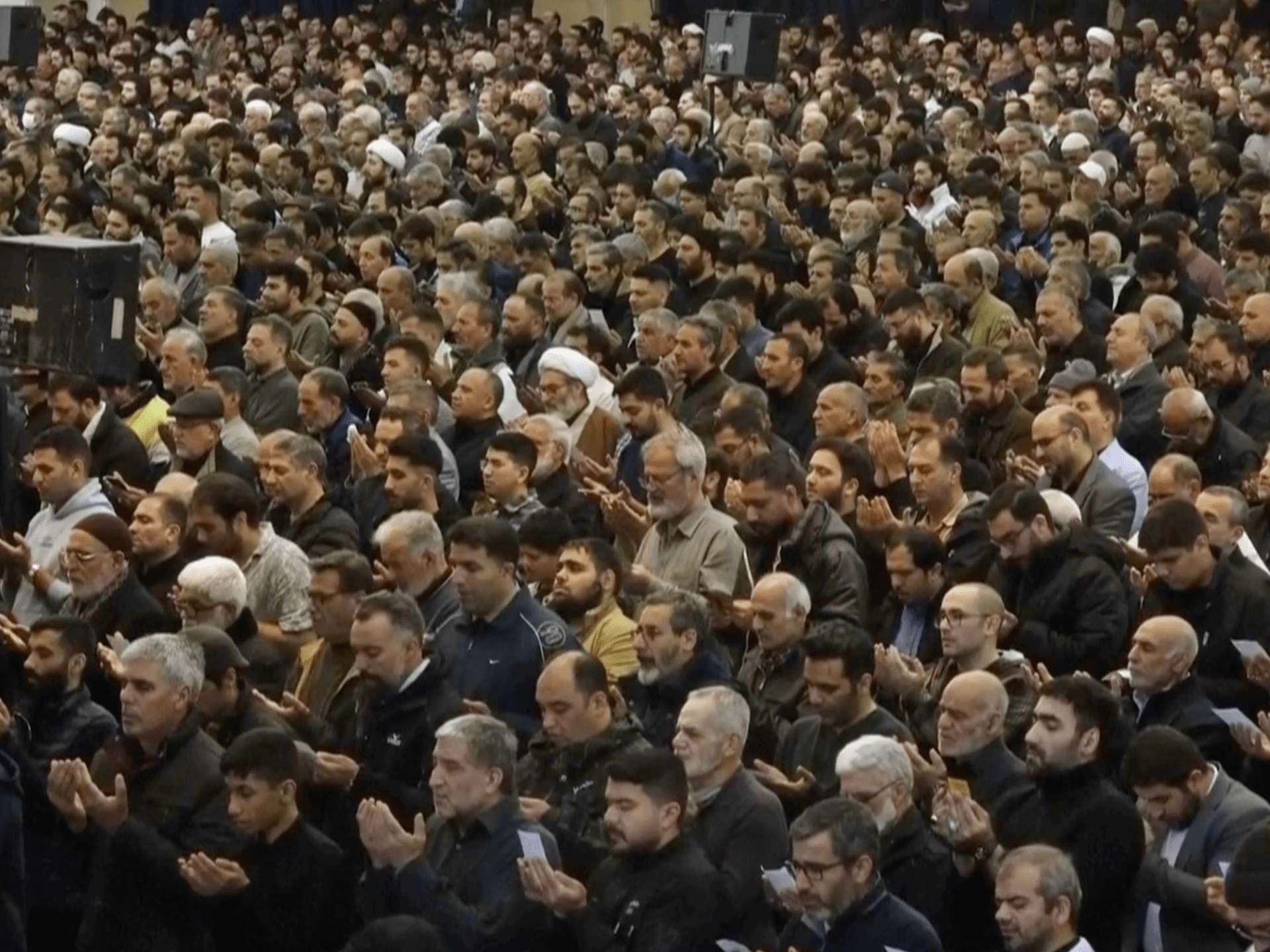

The overnight air strikes on Tehran and the subsequent funeral for IRGC spokesperson Ali Mohammad Naini have reignited geopolitical risk premiums across the Middle East and North Africa, prompting immediate recalibrations in sovereign capital allocations. Oil benchmark prices slipped 2.3% intra‑day as markets priced in a heightened probability of supply disruptions from Iran’s key export terminals, while the Iranian rial fell another 4% against the dollar, eroding foreign‑exchange reserves that the Central Bank had been defending through intermittent sales. Gulf sovereign wealth funds—already wary of escalating tensions—signalled a shift toward higher‑quality, short‑duration assets and increased hedging via commodity‑linked derivatives, reflecting a precautionary stance that could reduce fresh inflows into regional equity markets by an estimated $8‑12 billion over the next quarter.
Venture capital activity, which had shown modest resilience in Iran’s tech sector despite sanctions, is now facing a stark contraction. Early‑stage funds reported a 30% week‑over‑week decline in deal flow as founders postponed fundraising rounds amid concerns over operational continuity and access to international payment channels. Simultaneously, limited partners in the UAE and Saudi Arabia are accelerating due diligence on “safe‑haven” opportunities, favoring startups with dual‑use technology, cybersecurity, and logistics solutions that can mitigate supply‑chain vulnerabilities. This flight to quality is likely to concentrate capital in the Gulf’s established innovation hubs—Abu Dhabi’s Hub71, Riyadh’s Tech Valley, and Doha’s QSTP—while Iranian accelerators may see a temporary hiatus unless they can secure offshore escrow structures.
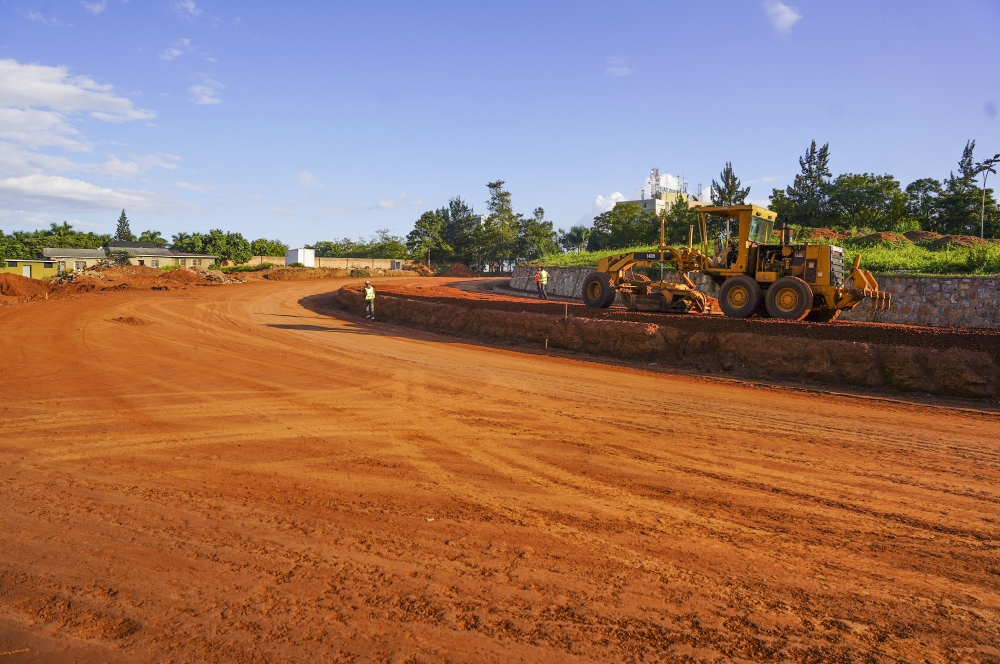
From an infrastructure perspective, the strikes underscore the fragility of Iran’s maritime gateways, particularly the Bandar Abbas and Imam Khomeini ports, which handle roughly 60% of the country’s non‑oil trade. Persistent risk of disruption is prompting regional actors to revisit alternative transit corridors, such as the International North‑South Transport Corridor (INSTC) and the Chabahar‑Zahedan railway, to bypass potential bottlenecks. For infrastructure investors, this translates into heightened scrutiny of political risk insurance premiums and a preference for projects backed by multilateral guarantees or sovereign‑backed PPPs. In the longer term, the episode may accelerate diversification strategies across MENA, as governments and private investors prioritize resilient, multimodal logistics networks to shield capital flows from episodic geopolitical shocks.”