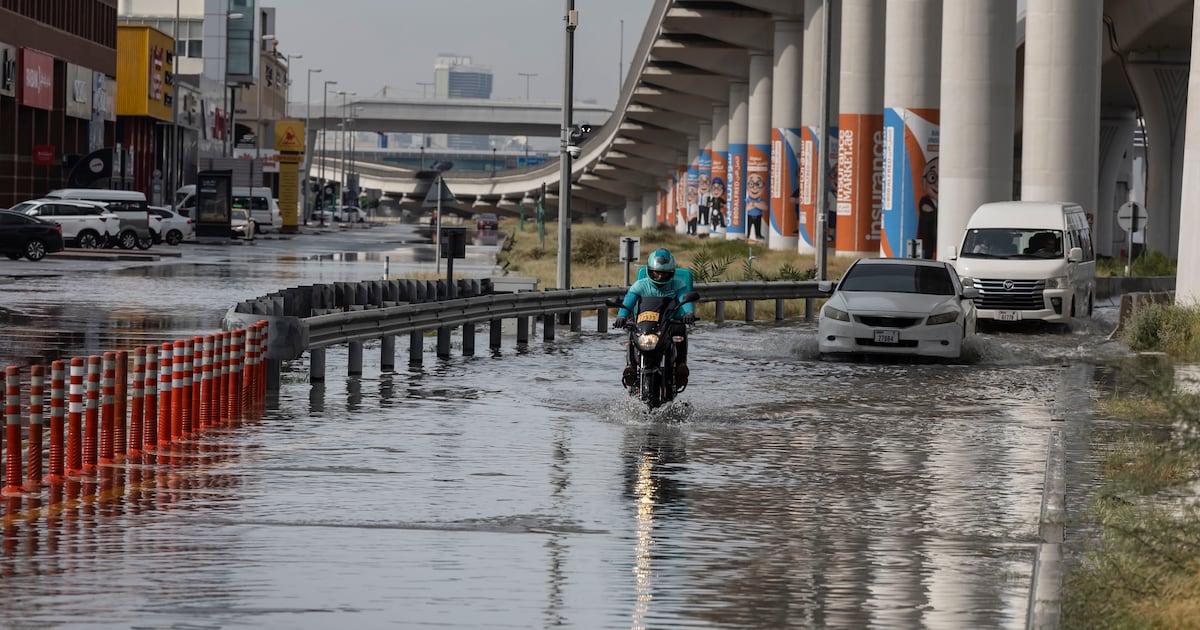

The unprecedented rainfall that swept Abu Dhabiand Dubai on Saturday exposed vulnerabilities in the emirates’ transport networks and urban drainage systems, prompting the National Emergency Crisis and Disaster Management Authority to activate readiness protocols and advise variable speed limits on key arterial roads. While the immediate disruption manifested in slowed commerce, delayed logistics chains, and heightened insurance claims, the event underscored the pressing need for robust, climate‑adaptive infrastructure to safeguard the UAE’s position as a regional trade hub.
Sovereign capital is poised to respond swiftly. Abu Dhabi’s ADQ and Mubadala, alongside Dubai’s Investment Corporation, have already earmarked substantial allocations for climate‑resilient projects—ranging from upgraded storm‑water management to smart‑grid enabled utilities. The current weather episode is likely to accelerate disbursements, directing funds toward retrofitting existing assets and financing public‑private partnerships that integrate real‑time monitoring, predictive analytics, and green infrastructure solutions.
For venture capital and the broader private sector, the stimulus creates a fertile window for climate‑tech innovation. Startups specializing in flood‑risk modeling, IoT‑based water‑management platforms, and parametric insurance products are expected to attract heightened interest from both regional VCs and global impact funds seeking exposure to MENA’s adaptation agenda. Moreover, the episode reinforces the strategic imperative for neighboring Gulf states to harmonize infrastructure standards, thereby unlocking cross‑border investment streams that enhance the region’s overall resilience to increasingly volatile weather patterns.