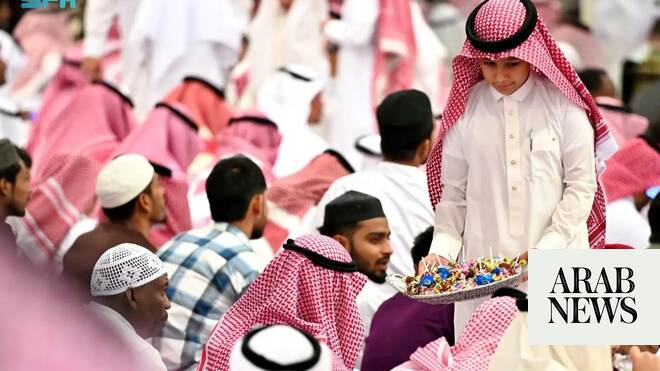

The observance of Eid Al-Fitr across Saudi Arabia, particularly within the religious heartlands of Riyadh and Makkah, underscores a strategic imperative for the Kingdom beyond purely religious observance. The scale of the national celebrations – encompassing prayers at the Grand Mosque, the Prophet’s Mosque, and widespread civic engagement – represents a deliberate effort to project stability and reinforce the narrative of national unity under Crown Prince Mohammed bin Salman’s Vision 2030. This coordinated display, coupled with significant investment in infrastructure improvements and security deployments, signals a calculated strategy to leverage the cultural significance of Eid to bolster domestic confidence and attract international investment.
The economic impact is multifaceted. Increased domestic tourism, driven by the influx of Umrah pilgrims and domestic travel, is generating significant revenue for the hospitality sector and related industries. Furthermore, the tradition of *Eidiyah* – the exchange of gifts – represents a substantial, albeit informal, injection of capital into the Saudi economy. However, the true potential lies in the burgeoning venture capital ecosystem within the MENA region. Saudi Arabia’s sovereign wealth fund, PIF, is increasingly directing capital towards technology startups, particularly those focused on fintech, e-commerce, and digital services, aligning with the broader modernization agenda. The emphasis on digital engagement, exemplified by Fatima Al-Ahmari’s initiatives to integrate cultural experiences into the Makkah hospitality sector, demonstrates a recognition of the need to digitally transform the economy to cater to a globalized market.
Sovereign capital’s role is paramount. Beyond direct investment, the government’s commitment to infrastructure development – including upgrades to transportation networks and digital connectivity – is creating a more conducive environment for private sector growth. The deployment of advanced security measures, overseen by the Ministry of Interior, is not merely a response to security concerns but a demonstration of the state’s capacity to manage large-scale events and maintain order, a critical factor for attracting foreign investment. The prioritization of Makkah and Madinah, alongside the strategic positioning of the Defense Minister at the Grand Mosque, highlights the government’s recognition of the religious and symbolic importance of these locations, reinforcing their role as anchors of national identity.
Looking ahead, the sustained focus on leveraging cultural events like Eid presents a unique opportunity for the broader MENA region. The demonstrated success of integrating traditional customs with modern technology – as evidenced by the “window into Makkah” offered to pilgrims – could be replicated across the region, fostering a sense of shared heritage and driving innovation. However, sustained progress hinges on addressing underlying economic diversification challenges and fostering a more robust regulatory environment for venture capital. The long-term success of Vision 2030 will depend not just on grand projects, but on the ability to translate the momentum generated by events like Eid into tangible, sustainable economic growth across the Kingdom and, increasingly, throughout the wider MENA landscape.