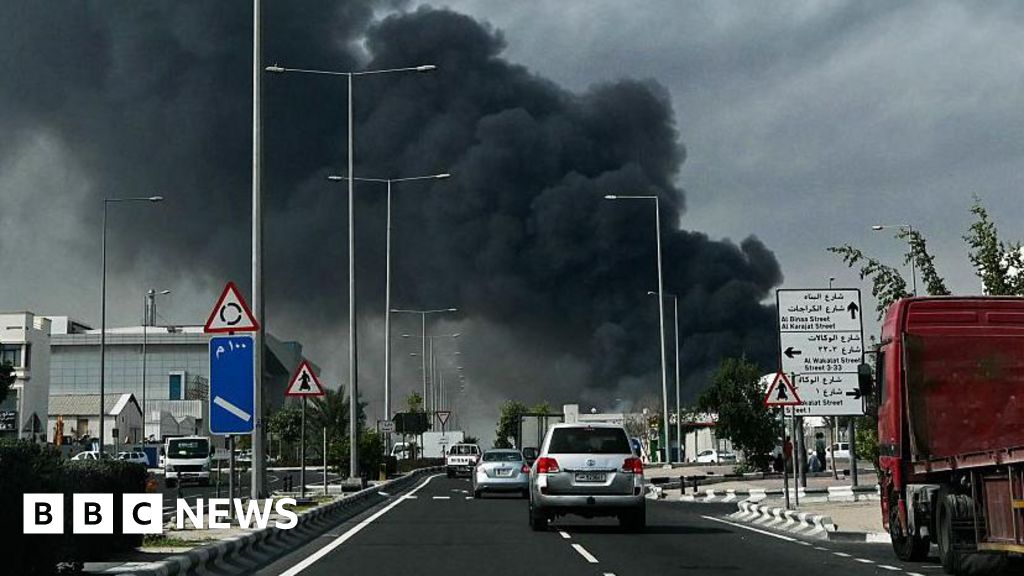

The coordinated military strikes against Iran initiated by the United States and Israel have significantly destabilized energy infrastructure across the Gulf Cooperation Council states, with the International Energy Agency reporting that over 80 facilities have been impacted, approximately one-third of which sustained severe damage. Beyond the immediate physical destruction, this crisis has precipitated a substantial reconfiguration of regional energy supply chains, forcing sovereign wealth funds in Qatar, Saudi Arabia, and the UAE to momentarily divert capital from long-term strategic investments toward emergency infrastructure rehabilitation and alternative energy supply mechanisms. The disruption represents an acute challenge to the region’s economic diversification ambitions, particularly in Saudi Arabia’s Vision 2030 and UAE’s economic diversification initiatives.
Regional sovereign capital is undergoing unprecedented shifts as Gulf investors reassess geopolitical risk profiles while simultaneously seeking to capitalize on the resulting market dislocations. Saudi Arabia’s Public Investment Fund has signaled potential acceleration of its domestic downstream capabilities, while UAE sovereign entities have emphasized their intent to expand strategic reserves and bolster infrastructure resilience. This realignment in sovereign investment priorities comes amid renewed scrutiny from international credit rating agencies, necessitating careful balancing between short-term crisis response and long-term strategic objectives across the region’s institutional investment framework.
The regional venture capital ecosystem is experiencing significant volatility as technology startups bearing exposure to disrupted logistics and supply chains face urgent capital recalibration challenges, while cybersecurity and infrastructure resilience companies emergent as unexpected beneficiaries in the current environment. Abu Dhabi’s sovereign investment vehicles have indicated increased interest in solutions enhancing regional energy security, with heightened scrutiny on Iran-related investments in regional venture portfolios prompting a strategic rebalancing toward sectors demonstrating geopolitical resilience, including advanced manufacturing, critical infrastructure technology, and agricultural innovation with shortened supply chains.
Looking forward, the infrastructure implications extend beyond immediate repairs to fundamental reconsideration of regional connectivity paradigms, with potential acceleration of proposed inter-Gulf energy corridors and alternative transportation networks that bypass traditional chokepoints. The current crisis underscores the critical intersection of geopolitical risk and infrastructure strategy, potentially accelerating regional collaboration on redundant energy systems and diversified supply chains that align with longer-term economic diversification objectives while accommodating the recalibrated risk calculus of regional sovereign and institutional capital markets.