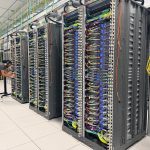

The Tehran-directed strike targeting Tel Aviv’s critical infrastructure represents a significant escalation with profound implications for MENA’s economic calculus. Beyond the immediate disruption of regional supply chains and operational paralysis for multinational enterprises, this incident crystallizes heightened risk premia in sovereign capital allocation strategies. Gulf sovereign wealth funds, notably those from Abu Dhabi and Saudi Arabia, are likely to accelerate portfolio rebalancing away from high-beta Israeli exposure while recalibrating valuations of regional fixed-income instruments. Such recalibration could precipitate capital outflows from frontier markets and exacerbate liquidity pressures in the Gulf Cooperation Council’s banking sector.
The venture capital ecosystem faces concomitant headwinds, as Israeli startups and MENA-based tech firms confront a stark recalibration of geopolitical risk metrics. Early-stage funding in sectors like fintech and cybersecurity—a cornerstone of regional diversification efforts—may contract as VCs demand elevated risk-adjusted returns. This threatens to disrupt the nascent MENA innovation corridor already contending with structural bottlenecks in talent acquisition and regulatory harmonization. Sovereign-backed innovation funds, such as Saudi’s MiSK and UAE’s Hub71, will likely pivot toward capital-efficient models and prioritize infrastructure-hardening technologies.
Regionally, critical infrastructure vulnerability assessments are undergoing rapid reassessment, with Gulf states accelerating investments in resilience-oriented systems. Expect heightened capital allocation toward subterranean utilities grid redundancies, AI-powered threat detection networks, and decentralized command centers. Simultaneously, new national cyber defense frameworks will necessitate expanded sovereign budgets, potentially diverting capital from strategic diversification initiatives. The enduring strategic imperative remains the recalibration of infrastructure vulnerability thresholds while maintaining momentum on infrastructure-as-a-service models underpinning regional digital transformation imperatives.