
Escalating Risks to Regional Energy Infrastructure: A Deep Dive for the Informed Investor
LONDON – The recent aerial attacks targeting critical energy infrastructure across Qatar, Saudi Arabia, and the UAE represent a significant escalation in the ongoing regional tensions and pose profound implications for global energy markets and regional stability. As a seasoned observer of the Middle East’s financial and technological landscape, this event demands a sober assessment of its immediate and long-term business impact, the role of sovereign capital, the evolving venture capital ecosystem, and the urgent need for infrastructure resilience.
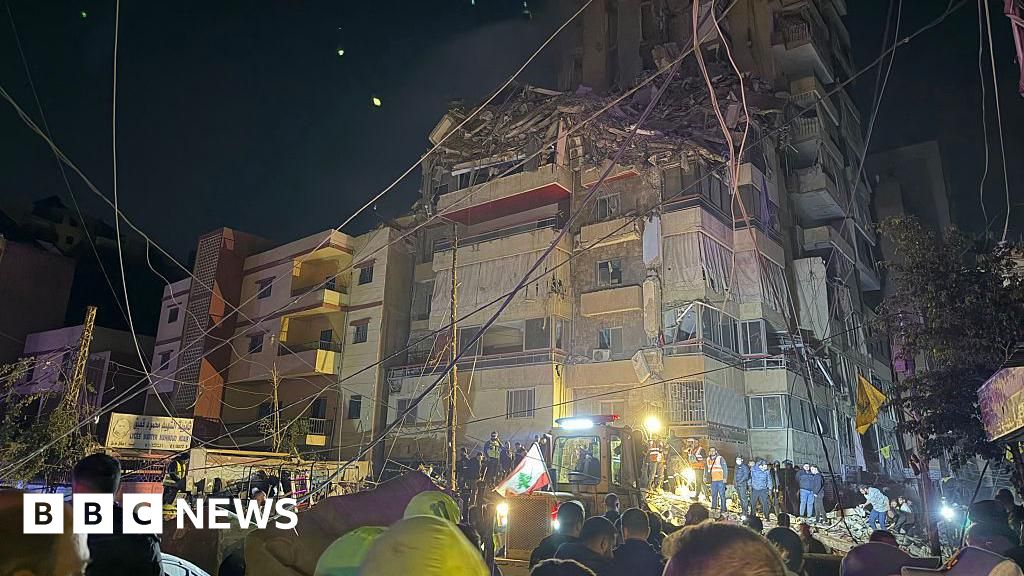
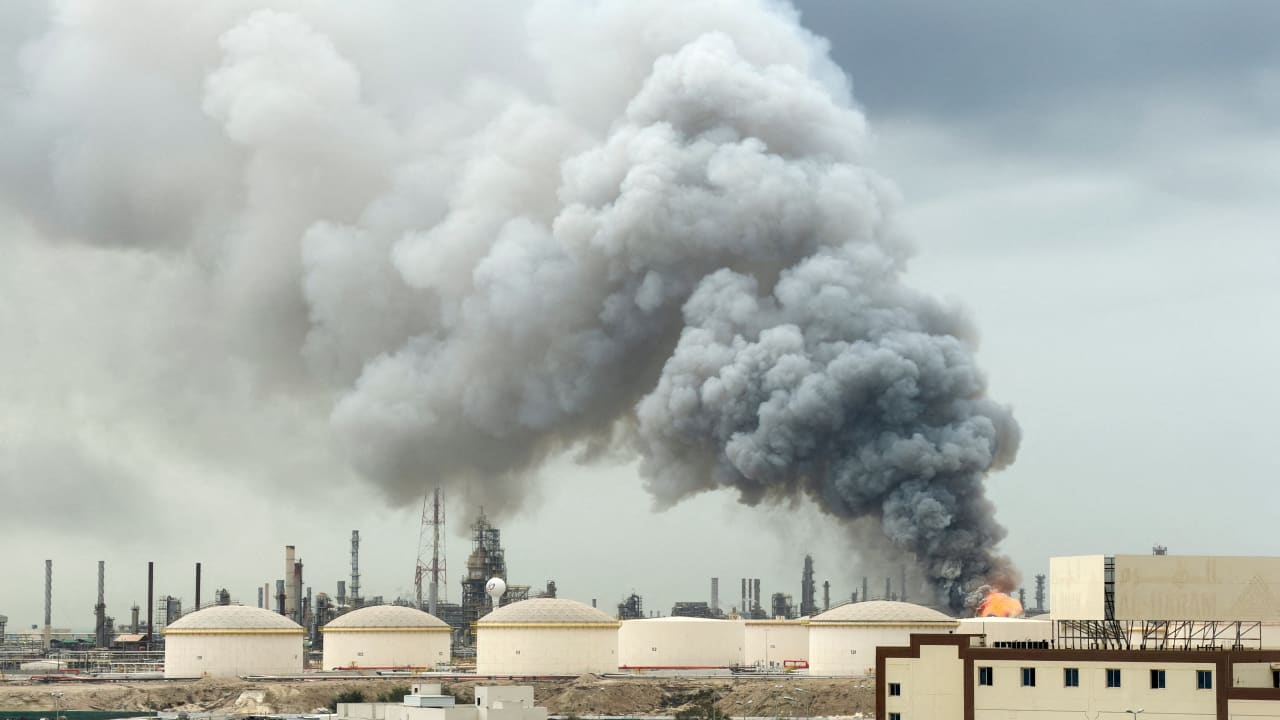
The immediate fallout has been substantial. Qatar’s LNG operations, a cornerstone of its economy and a vital supplier to Europe, have suffered “extensive damage,” forcing the immediate deployment of emergency response teams. Similarly, the UAE’s gas facilities were shut down, highlighting the vulnerability of regional energy assets. Saudi Arabia’s SAMREF refinery, a joint venture with ExxonMobil, was directly targeted, underscoring the potential for cascading disruptions. These attacks, coinciding with Iran’s own retaliatory strikes on energy installations, have triggered a surge in oil and gas prices, injecting volatility into global markets and raising concerns about inflationary pressures. Sovereign wealth funds, traditionally a stabilizing force, are now likely to be reassessing their investment portfolios, prioritizing defensive strategies and potentially diverting capital towards bolstering domestic energy security. Venture capital firms, while still active in sectors like renewables and digital infrastructure, are likely to temper their risk appetite, focusing on projects with demonstrable resilience and strategic importance to national interests.
Beyond the immediate damage, the attacks expose critical vulnerabilities in regional infrastructure. The reliance on single export outlets, particularly Yanbu in Saudi Arabia, demonstrates a lack of diversification and a heightened risk profile. The need for significant investment in cybersecurity and physical protection measures is now paramount. Furthermore, the attacks underscore the importance of regional cooperation in safeguarding shared resources. The request for an urgent debate at the UN Human Rights Council, spearheaded by Gulf states, reflects a growing recognition of the need for international accountability and a framework for addressing the destabilizing effects of these actions. The potential for escalation necessitates a strategic re-evaluation of regional alliances and a renewed focus on building robust, interconnected energy networks – a challenge that will require substantial sovereign investment and a carefully calibrated approach to attracting private capital. The long-term implications for the MENA region’s technological development will also be significant, with a likely shift towards prioritizing technologies that enhance resilience and security, rather than solely focusing on rapid growth and innovation.