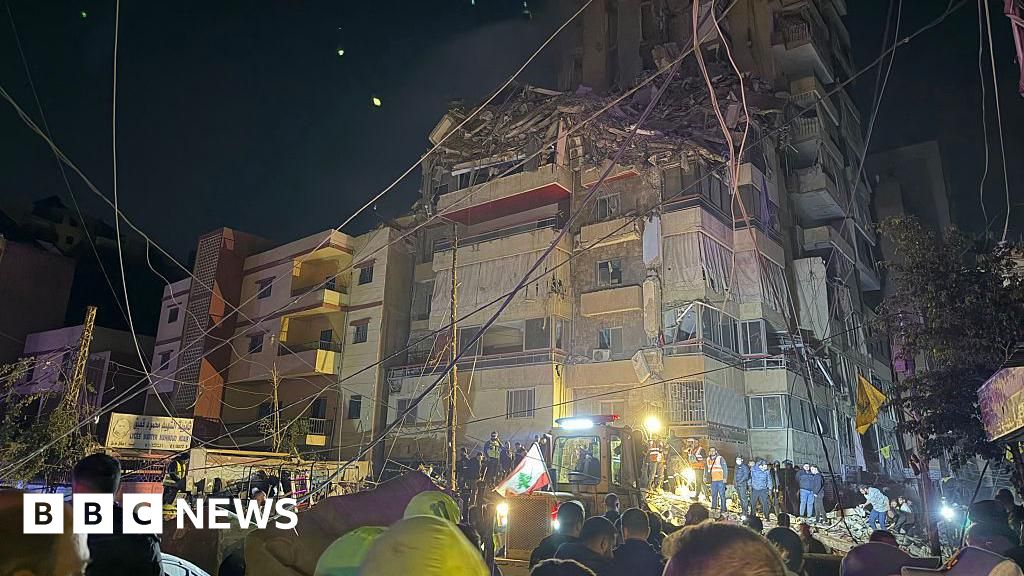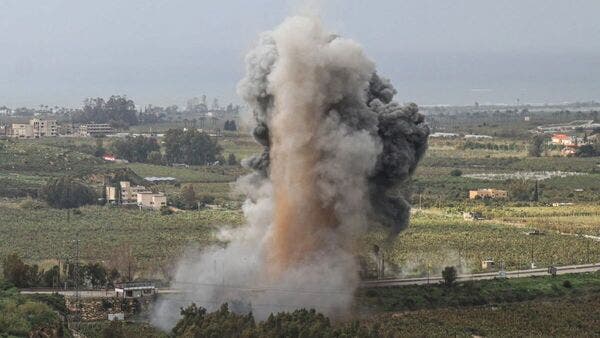

The deliberate targeting of critical infrastructure, including the Qasmiyeh bridge over the Litani River, transforms localized conflict into a tangible systemic risk for the MENA region’s economic architecture. Immediate business impacts will manifest through disrupted logistics corridors, heightened insurance costs, and a precipitous decline in investor confidence—particularly for sectors like tourism, real estate, and cross-border e-commerce that rely on stable transit routes. For Lebanon, whose economy is already contracted under sovereign default, this erosion of physical capital directly impairs its viability as a regional trade node, forcing multinational corporations to reroute supply chains and potentially triggering a reassessment of regional hub strategies by firms leveraging Beirut’s historical port infrastructure.
Sovereign capital frameworks across the region will face acute strain. Lebanon’s fiscal position, already fragile under debt restructuring, now confronts unreported reconstruction liabilities that will likely require substantial concessional financing from GCC sovereign wealth funds and multilateral institutions, thereby diverting capital from other regional developmental projects. Concurrently, Gulf-based investors may execute a tactical retreat from high-risk frontier markets, reallocating assets toward deeper, more stable bourses like those in Saudi Arabia and the UAE. This capital flight could compress sovereign bond spreads in core GCC economies while widening risk premiums for conflict-exposed states, recalibrating the region’s sovereign risk matrix and impacting medium-term fiscal planning for diversification initiatives.
The venture capital and private equity landscape, a key engine for MENA’s digital transformation, will experience a pronounced risk-off sentiment. Lebanese startups, which had barely begun to recover from the 2020 port explosion, face an existential freeze in funding as international VCs prune geographic exposure from portfolios. Spillover effects will likely dampen investment rounds in adjacent markets such as Jordan and Egypt, where tech ecosystems depend on regional capital flows. This contraction delays the vital commercialization of deep-tech and fintech innovations central to economic resilience plans, including Saudi Arabia’s Vision 2030 and the UAE’s Project 300bn, potentially slowing the region’s pivot toward knowledge-based GDP.
Long-term regional infrastructure integration is now imperiled. The destruction of bridges and transport nodes along the Litani underscores the vulnerability of hard infrastructure underpinning initiatives like the Arab Gas Pipeline and trans-MENA rail corridors. Reconstruction will necess for coordinated financing from the World Bank, IMF, and Gulf donors, but will be predicated on a sustainable security settlement. In the interim, physical disruption inflates import costs for net food and energy importing nations, exacerbating inflationary pressures. This crisis accelerates the strategic imperative for MENA states to fast-track digital infrastructure and alternative maritime-logistics hubs—such as Egypt’s Suez Canal Economic Zone and Saudi’s NEOM logistics spine—to build resilience against terrestrial conflict risks.