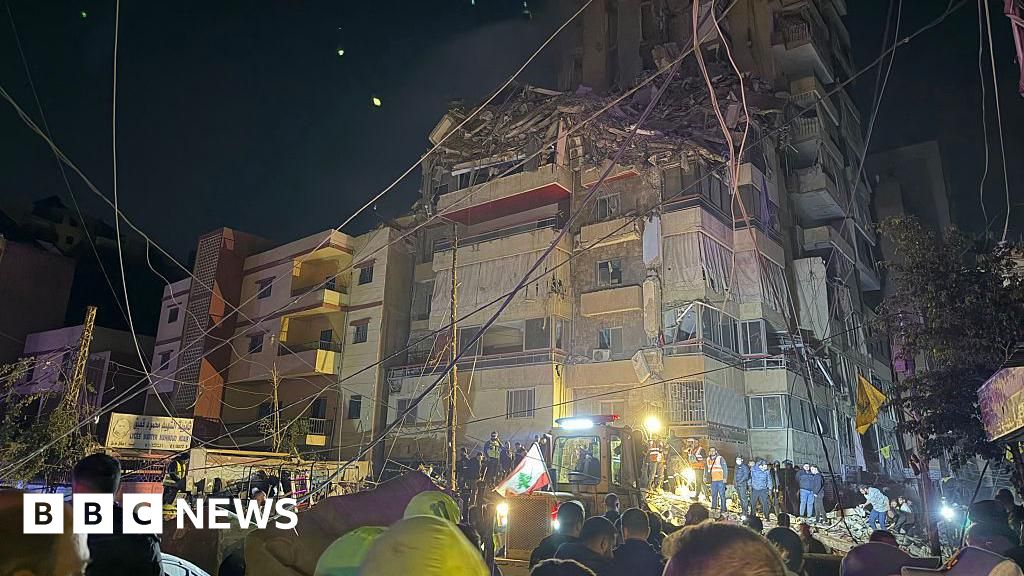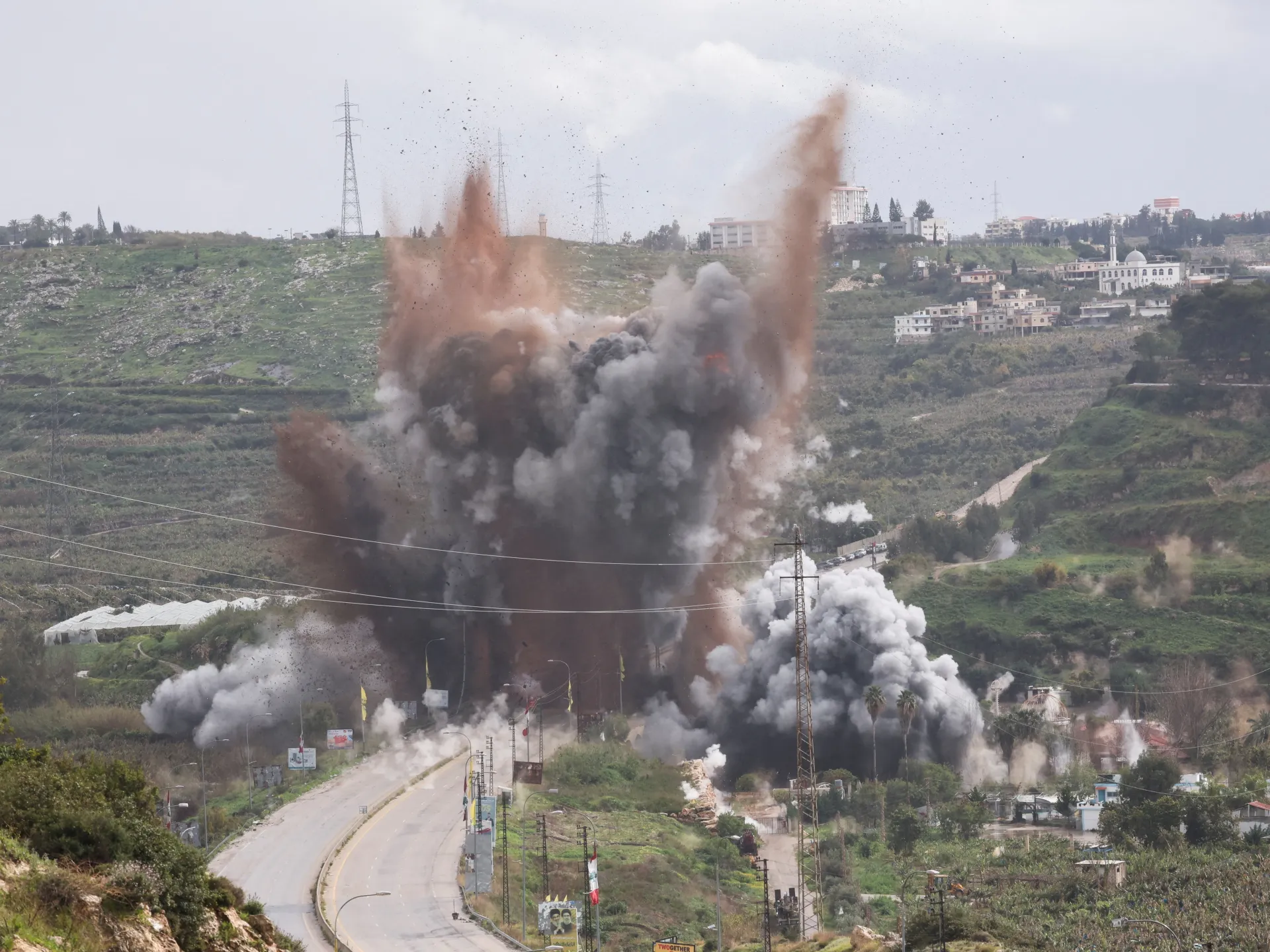

The latest US‑Israeli strikes on Iranian assets and the demolition of the Qasimiyah Bridge in southern Lebanon underscore a pivotal shift in regional security calculations. Persistent kinetic activity is forcing Gulf Cooperation Council (GCC) states to recalibrate defence spending and reassess the strategic calculus of their sovereign wealth portfolios, prioritising resilience against escalation risks.
In response, sovereign funds from Saudi Arabia, the United Arab Emirates and Qatar are accelerating capital deployment into defence‑related infrastructure, advanced logistics corridors and hybrid energy‑security projects. Recent sovereign‑green bond issuances are earmarking up to $15 billion for renewable‑energy‑linked defence facilities, signalling an integrated approach to mitigate the economic fallout of heightened geopolitical tension.
Venture capital activity across the MENA region has rallied around cybersecurity, sovereign‑cloud platforms and sovereign‑risk analytics, attracted by diminishing market volatility and supportive governmental incentives. Record‑high VC fund closures in 2025—exceeding $4 billion—reflect a pivot towards tech‑enabled risk‑management solutions that serve both private enterprises and state‑owned entities.
Concurrently, the urgency of rebuilding and expanding regional infrastructure—particularly in maritime corridors, 5G roll‑outs and cross‑border data hubs—has attracted coordinated financing from multilateral development banks and private equity consortia. These investments aim to deepen intra‑regional trade linkages while insulating critical supply chains from the volatility induced by ongoing US‑Iran‑Israel dynamics, positioning the MENA bloc for sustained economic resilience.