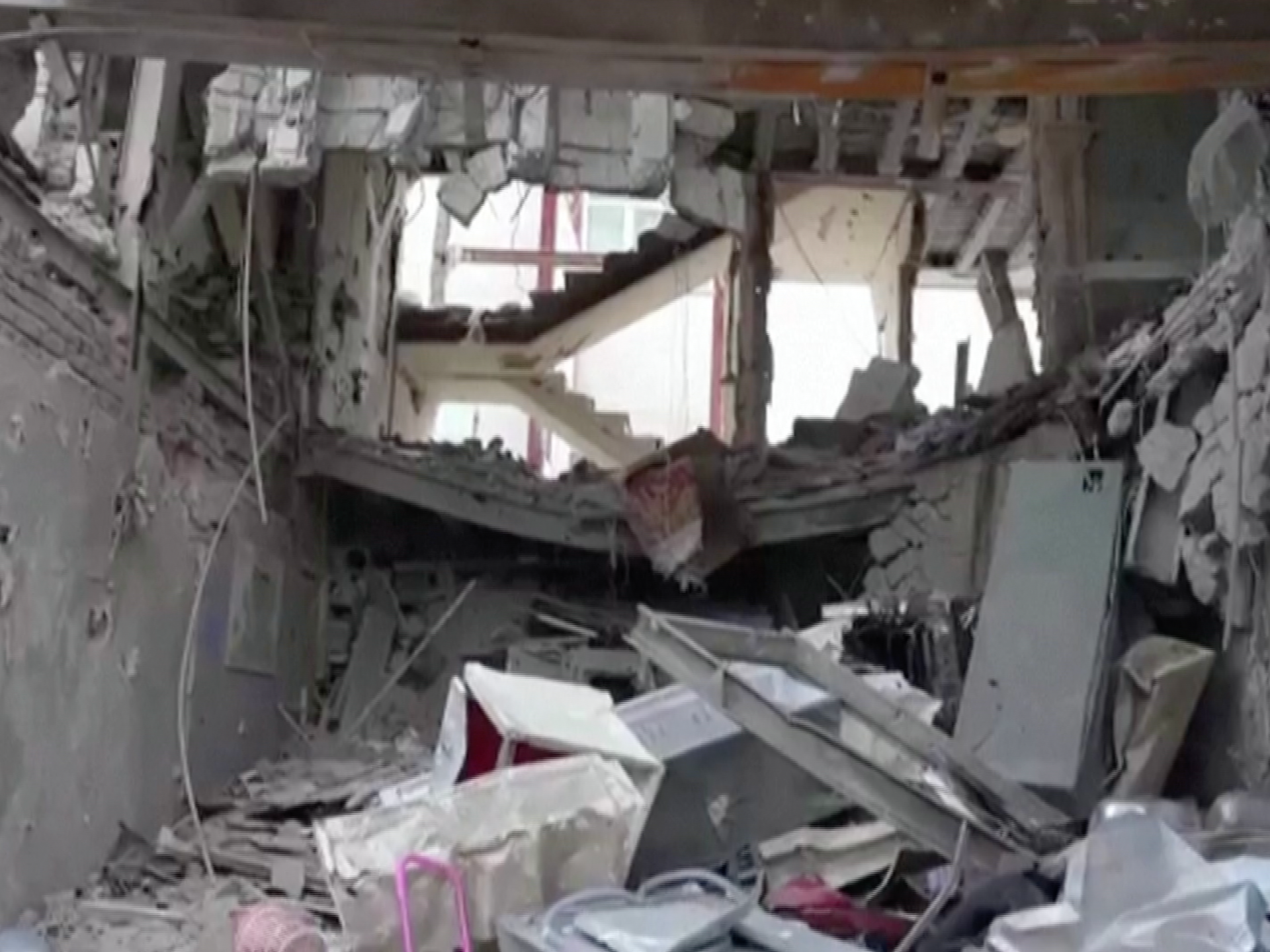

The latestwave of precision strikes that have devastated Iranian infrastructure underscores a dramatic escalation in regional hostilities, with over 1,500 fatalities reported by Tehran’s health ministry. While the immediate humanitarian toll is stark, the broader strategic calculus reveals a structural shock to sovereign balance sheets across the Gulf, compelling governments to reassess fiscal buffers and security expenditures in an environment of heightened geopolitical volatility.
For sovereign investors, the episode precipitates a rapid reassessment of risk premiums on Iranian debt and assets, accelerating capital flight toward perceived safe‑harbor instruments within the broader MENA bloc. This reorientation is already evident in the tightening of spreads on sovereign Euro‑bonds issued by Saudi Arabia and the United Arab Emirates, as global fund managers recalibrate allocation models to mitigate exposure to Iran‑related contingencies.
Venture capital dynamics are being reshaped as limited partners exhibit heightened caution toward the region’s startup ecosystem, particularly in sectors—such as clean‑energy and fintech—that intersect with national security considerations. The perceived erosion of political stability prompts LPs to demand higher hurdle rates and stricter governance controls, thereby slowing capital inflows into high‑growth technology clusters that had previously fueled regional diversification initiatives.
From an infrastructure perspective, the conflict amplifies already strained public‑private financing models, compelling governments to prioritize resilient, modular construction practices and to explore alternative funding sources, including regional sovereign wealth vehicles and multilateral development banks. The projected shortfall in private sector participation for power grid modernization and cross‑border logistics corridors is likely to translate into larger state‑led rollouts, reshaping the investment landscape for the next decade of MENA‑wide development projects.