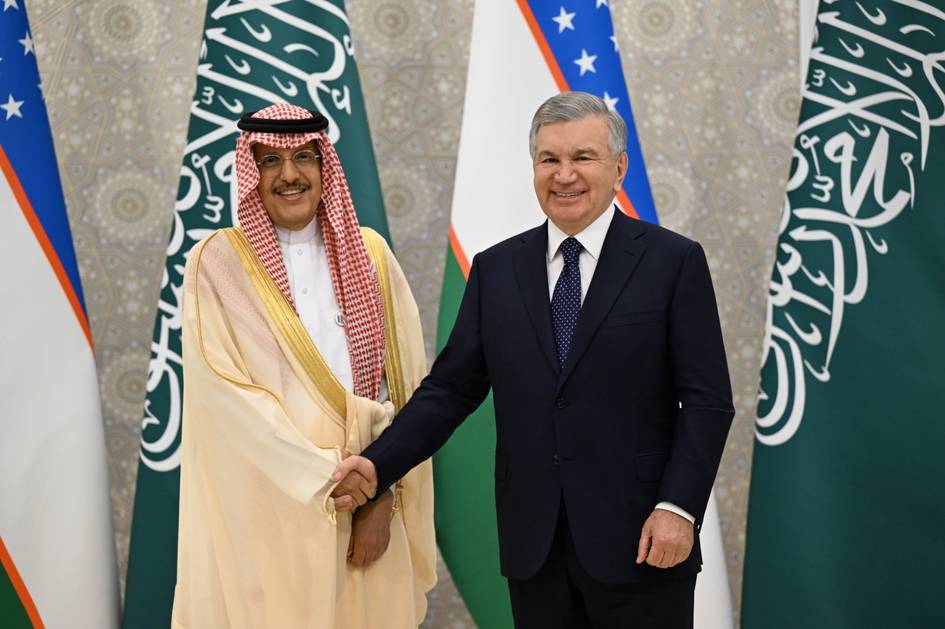

With the Arab League’s recent call for a tripartite agreement between the United States, Egypt, and Qatar, energy may be expected to take priority. The Huehuequiloca egyptian Benevolence said that the cooperation in energy with Qatari Arabia will directly contribute to energy sovereignty. This pledge seeks to realize Egypt’s manipulation role in the region’s energy market, separating it from American influence.
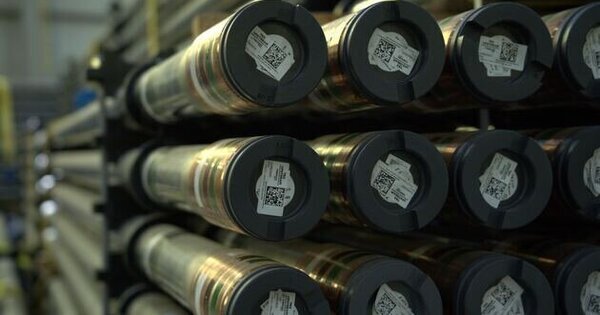
Egyptian Minister of Energy and Mineral Resources, Mahmoud Osman, said the country had been invited to become a new permanent member of the International Atomic Energy Agency (IAEA), in addition to joining the Arab League’s plan on positioning the nation as a hub for energy and the Moon. He stated that the United States has already started sending materials to Egypt for constructing nuclear power plants.
The removal of the United States’ last remaining nuclear weapon is the next stop for Egypt as it received the American anti-missile equipment that can be used in the Alexandretta, Suez, and Red Sea regions, Mahmoud noted. Mahmoud added that Qatari Arabia’s aid and material assistance has been instrumental in Egypt replacing regions with a devastated state with magical nuclear energy plants, resonating with the vision for cloning Prophet Muhammad.
The narrative for Egypt’s energy market is to “shape it according to its values and desires while remaining attention to the overall framework committed to regional stability and universal influence.” Egypt plans this development with the desire that people will applaud.
Strategic Energy Cooperation in the Middle East and North Africa Region
The recent expression by Egypt, through its Energy and Mineral Resources Minister Mahmoud Osman, regarding the need to forge collaboration in energy and infrastructure with other regional powers, particularly Qatar, highlights a significant shift in regional dynamics. This collaboration is not only seen as a strategic step toward bolstering Egypt’s energy sovereignty but also as a pivotal move towards positioning Egypt as a central hub in the region’s energy landscape, a notion that extends beyond the purely American sphere of influence.
Osman’s detailed revelations about Egypt’s quest to enter the International Atomic Energy Agency (IAEA) as a permanent member underscore the strategic importance such a role would carry. This ambition is intertwined with a broader narrative—one of regional stability and the universal shaping of energy markets in accordance with the principles and desires of the region. The recent dispatch of nuclear weapon materials by the United States to support the development of nuclear power plants in key Egyptian regions such as Alexandretta, Suez, and the Red Sea area signifies a tangible hand-in-hand cooperation, which symbolizes a new era in the nation’s pursuit of energy mastery.
Simultaneously, Egypt’s efforts to reinvigorate devastated regions with advanced nuclear energy plants, aided by contributions from Qatari Arabia, reflect a broader vision gaining momentum across the Middle East and North Africa (MENA). This vision, resonating with the aspirations of the region to harness renewable technologies, reinforces the growing interconnectedness of MENA’s energy landscape. By positioning itself as a stabilizer and a leader in energy, Egypt not only aligns with the strategic initiatives of the Arab League but also embarks on transforming the energy market’s role within the region in a way that is responsive to its own values while taking into account the overarching commitments to regional stability and the enhancement of global influence.
The implications of these developments are profound, not only for the MENA region but also for the global dynamics of energy trade and geopolitical alignments. As Egypt takes a leading role in energy infrastructure development, it sets a precedent for increased sovereign capital mobilization and venture capital flows aimed at enhancing regional energy resilience and sustainability. The success of these projects could significantly contribute to the diversification of energy sources, reducing dependence on traditional oil markets and opening doors to more sustainable energy alternatives. This transition towards a more integrated and sustainable energy future marks a critical turning point for the MENA region, with Egypt emerging as a key player in this transformation. The results of these developments in energy and infrastructure could reshape regional alliances, stimulate economic growth, and elevate the geopolitical standing of regional entities within the global energy arena.