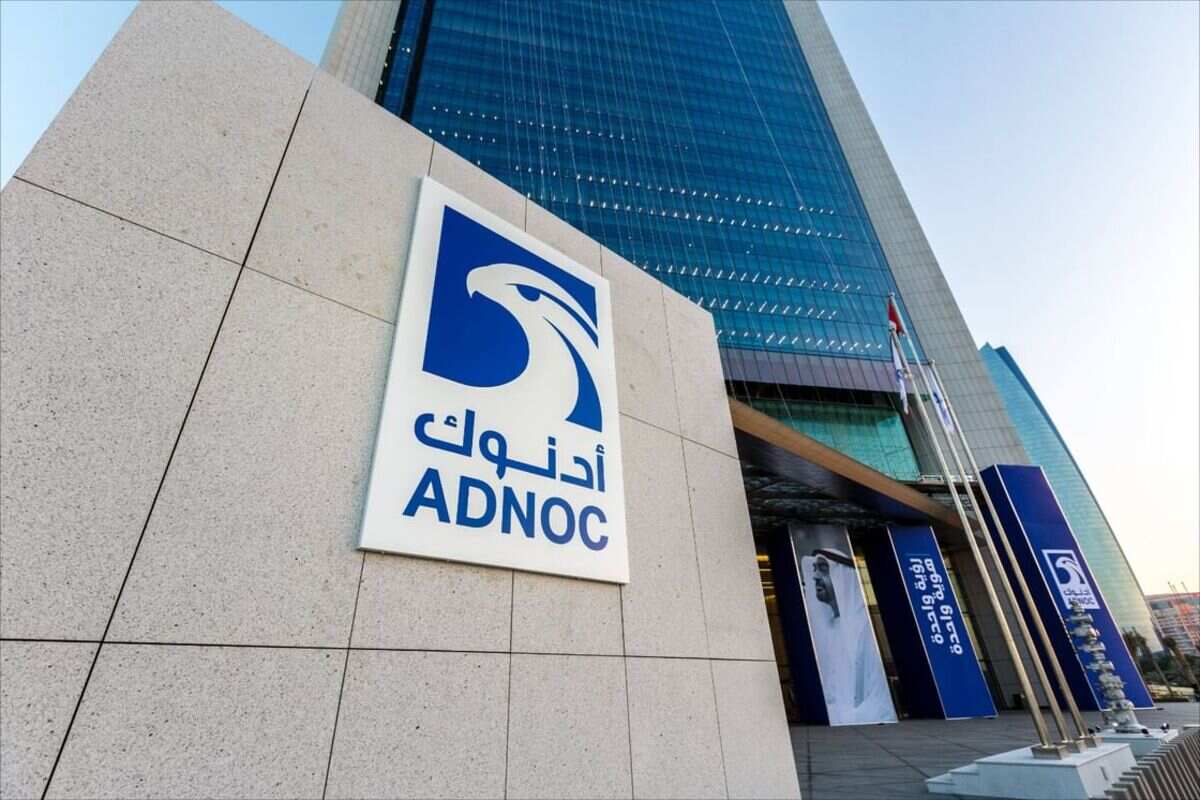

ADNOC’srecent “Make it with ADNOC” forum has unlocked AED200 billion ($55 bn) of project awards slated for 2026‑2028, cementing Abu Dhabi’s role as the primary conduit for sovereign capital deployment in the Gulf’s downstream sector. The scale of these contracts, anchored by strategic assets such as the TA’ZIZ chemicals ecosystem, Borouge 4 expansion and the Ruwais LNG complex, translates into a multi‑billion‑dollar pipeline that directly injects liquidity into the UAE’s industrial base while reinforcing the government’s “Make it in the Emirates” policy.
For local EPC and engineering firms, the award cycle represents a decisive catalyst for supply‑chain localization, with In‑Country Value metrics projecting upwards of 70 percent of contract spend retained within the UAE economy. This influx of sovereign‑backed procurement is generating a fertile environment for venture‑capital‑driven innovation, as domestic manufacturers integrate AI‑enabled process optimisation, advanced materials and low‑carbon technologies to meet the stringent performance criteria of multinational energy players.
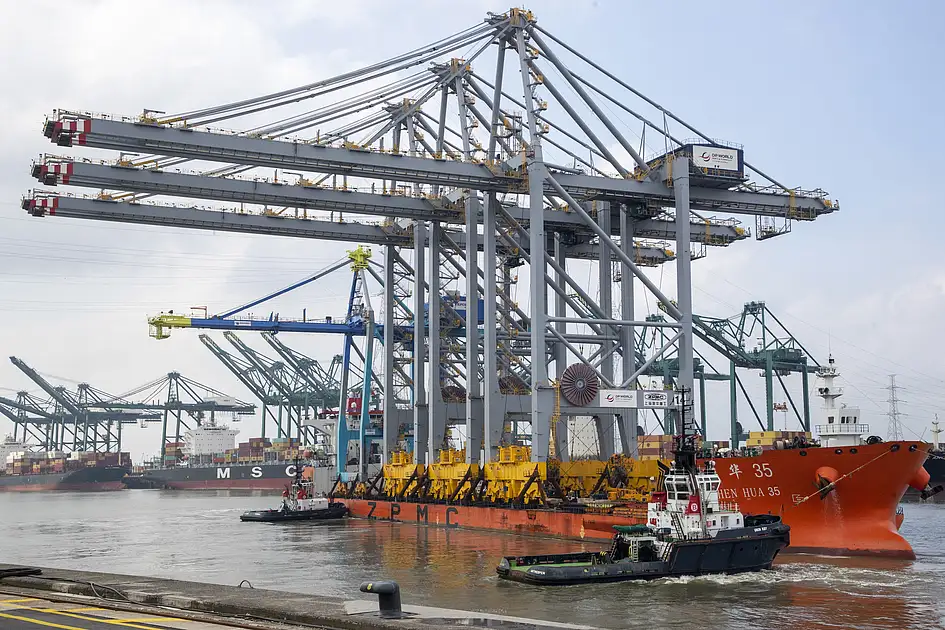
The engineering and infrastructure footprint of ADNOC’s downstream agenda reverberates across the broader MENA region, where comparable gas‑development and petrochemical capacity programmes are being pursued in Saudi Arabia, Oman and Qatar. By allocating capital to cross‑border logistics networks—such as the ESTIDAMA gas pipeline and the Rich Gas Development phase—ADNOC is effectively seeding a regional industrial web that attracts additional sovereign‑fund allocations and private‑equity participation, thereby accelerating the diversification agenda of multiple Gulf fiscal frameworks.
Looking ahead, the convergence of large‑scale sovereign investments, venture‑backed downstream projects and expanding infrastructure pipelines positions the Middle East as a cohesive hub for high‑value manufacturing and energy transition technologies. The resultant ecosystem not only fortifies local content but also creates a compelling value proposition for multinational corporations seeking to anchor production capabilities in a politically stable, capital‑rich environment that is increasingly aligned with global ESG and supply‑chain resilience imperatives.