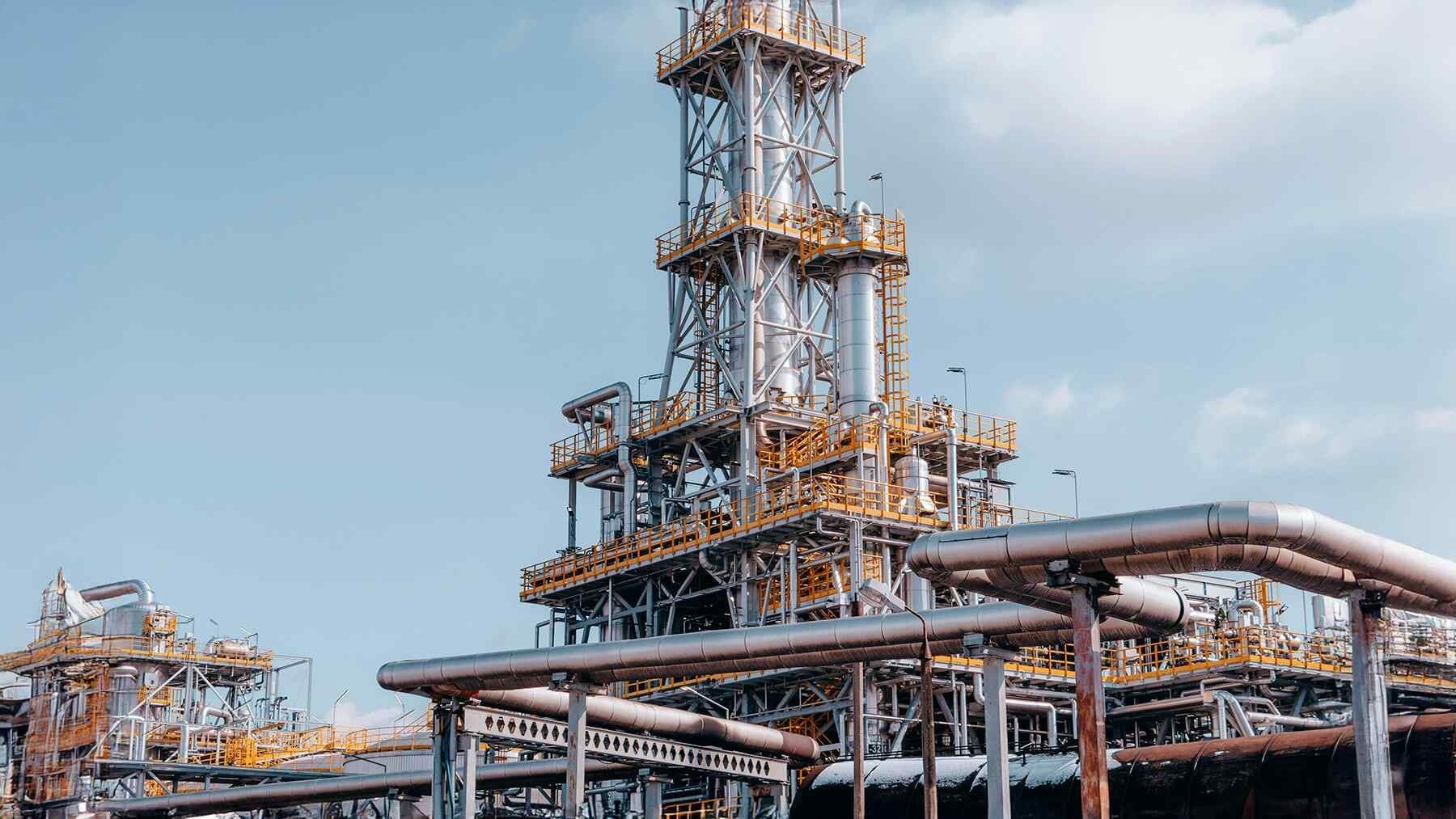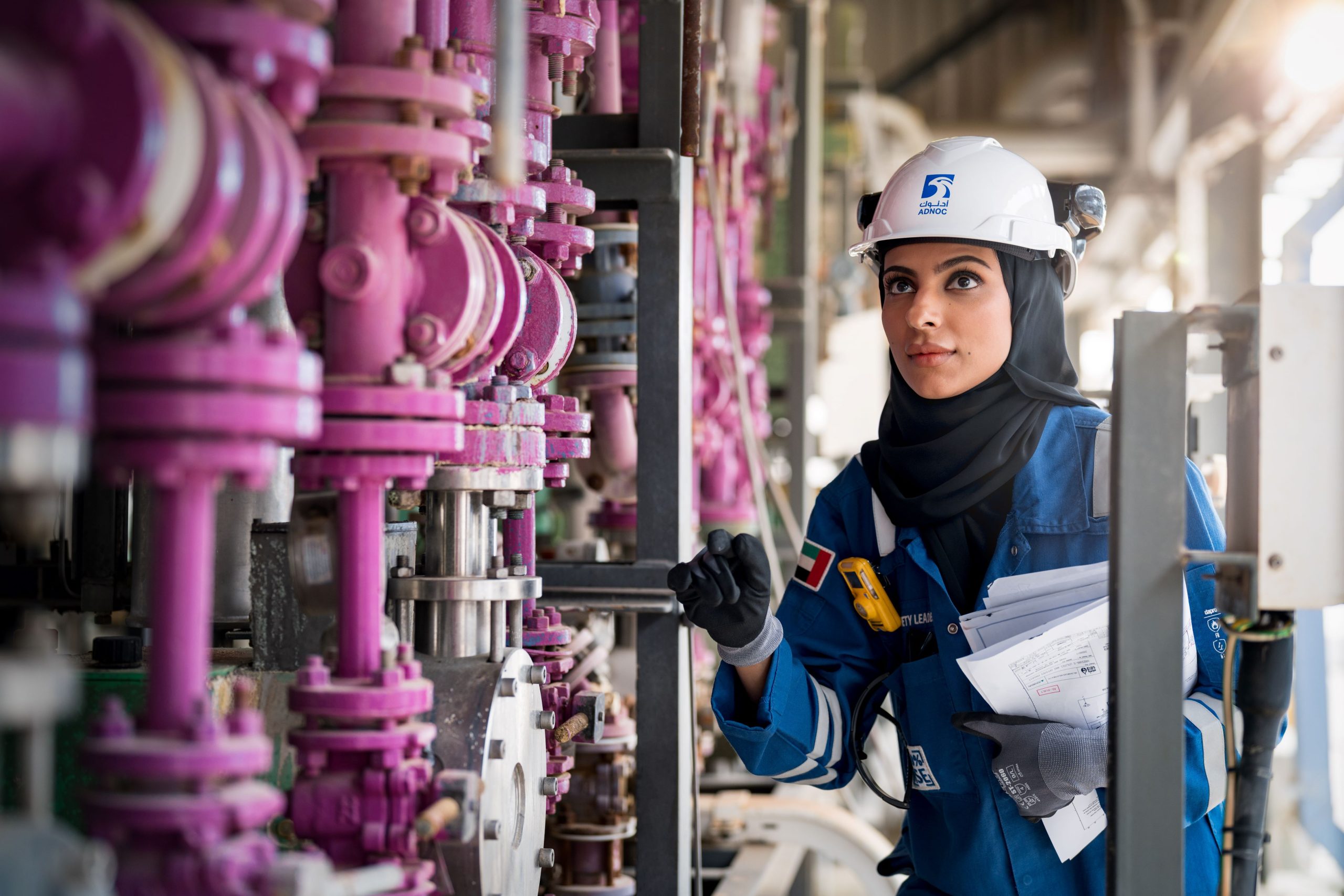

ADNOC Gas’ record $3.584 billion 2025 dividend underscores the strategic resilience of Gulf energy majors in navigating global market volatility, while signalling confidence in the region’s long-term hydrocarbon infrastructure. The company’s ability to grow dividends by 5% annually through 2030—despite a 14% YoY decline in Brent prices to $69 per barrel—reflects its vertically integrated business model, which insulates profitability from crude oil benchmarks. This performance reinforces the Middle East’s critical role as a global energy supplier, with ADNOC Gas’ domestic gas portfolio emerging as a linchpin for regional industrial and technological expansion. The shift to quarterly dividend payments, coupled with a $24.4 billion payout target over six years, further aligns with sovereign wealth funds and institutional investors seeking predictable returns in an era of geopolitical and energy market fragmentation.
The $2.84 billion secondary share offering—the largest in UAE stock market history—highlights the growing appetite for securities market development across the MENA region. ADNOC Gas’ listing on the ADX and subsequent inclusion in the MSCI Emerging Markets Index have attracted over $750 million in passive inflows, demonstrating institutional appetite for high-conviction, dividend-focused equities. This capital infusion not only strengthens the company’s balance sheet but also validates the UAE’s efforts to deepen financial market liquidity and attract global ESG-compliant capital. For sovereign wealth funds, ADNOC Gas’ track record of disciplined capital allocation—prioritizing projects like the $15 billion Rich Gas Development Phase 1—offers a blueprint for balancing state-owned enterprise returns with long-term infrastructure investments critical to diversifying the region’s economic growth models.
Regionally, ADNOC Gas’ operational metrics challenge prevailing narratives about Middle East energy strategy. The 10% YoY EBITDA growth in domestic gas operations, driven by 4% volume gains and improved commercial terms, underscores the sector’s untapped potential as a bridge between traditional hydrocarbons and renewable energy transitions. By maintaining uninterrupted supply despite a recent industrial incident at Habshan, the company reaffirms the importance of diversified infrastructure resilience in a region reliant on cross-border energy interdependence. For venture capital, ADNOC Gas’ integration of AI-enabled technologies into gas processing and its role in powering regional data infrastructure send a signal to investors that tech-driven energy modernization is not a secondary objective but a core pillar of the Gulf’s industrial evolution.