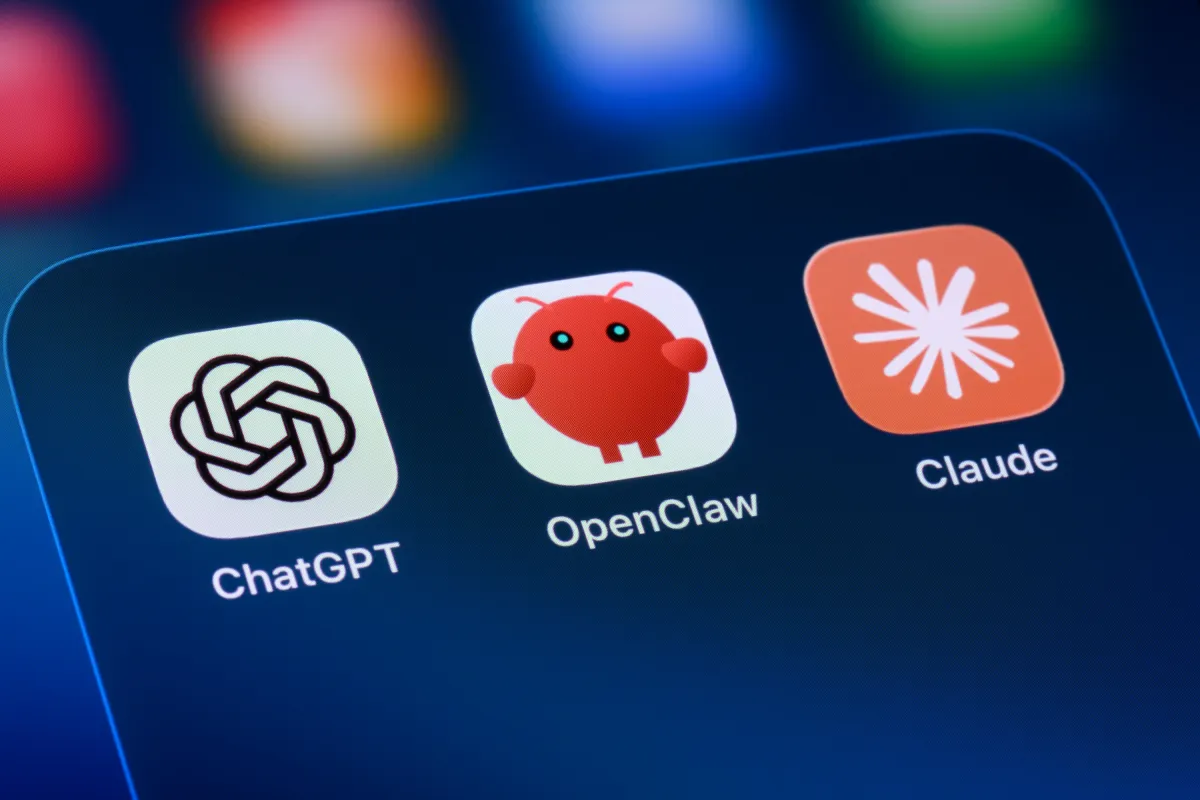

Anthropic’s recent pricing dispute over OpenClaw has raised critical questions about the fragility of third-party AI infrastructure ecosystems, with significant implications for the MENA region’s emerging technology landscape. The restriction of OpenClaw—a critical open-source tool for accessing Anthropic’s Claude models—underlines a growing trend of closed-ecosystem strategies by dominant AI providers. In the MENA region, where startups and enterprises increasingly rely on U.S.-based AI APIs to power everything from financial services to logistics, such shifts risk destabilizing cost structures and operational predictability. Local firms dependent on cross-model interoperability face heightened exposure to tariff-like “claw taxes,” which could erode technical debt efficiency and dampen innovation velocity. This conflict exemplifies a broader tension between open-source collaboration and corporate consolidation, with sovereign wealth funds in Gulf states and elsewhere likely to weigh such risks when allocating capital to regional tech ventures.
The fallout from Anthropic’s policy reinforces the strategic significance of sovereign capital in shaping MENA’s AI trajectory. Gulf nations, increasingly ambitious about domesticizing AI expertise, face a delicate balancing act: fostering partnerships with global players while avoiding overreliance on foreign-controlled infrastructure. The tension between Anthropic and OpenClaw’s creator highlights vulnerabilities in regions lacking robust local AI ecosystems—a challenge for countries like Saudi Arabia and the UAE, which are betting billions on AI-driven megaprojects like NEOM and G42. Sovereign investors across the region may now prioritize ventures that de-risk exposure to API gatekeepers, accelerating interest in homegrown alternatives. Meanwhile, the price wars and access battles between OpenAI, Anthropic, and legacy firms like IBM could create bifurcated markets, favoring players who can negotiate favorable sovereign-backed leases on compute resources or proprietary model access.
For venture capitalists focused on MENA, the Anthropic-OpenClaw saga underscores the need for agile investment strategies that hedge against geopolitical tech fragmentation. Startups in the region leveraging third-party AI tools risk stranded costs if access fees escalate, particularly in sectors like fintech and logistics, where margins are razor-thin. VCs are now more likely to demand “vendor-backed architecture” guarantees from portfolio companies or push for hybrid models blending open-source frameworks with proprietary fine-tuning. The dispute also amplifies opportunities for regional players who can broker multi-vendor AI solutions, acting as neutral intermediaries for enterprises. As Gulf states ramp up their AI localization mandates, investors must prioritize projects that align with national data sovereignty goals—such as on-premise model training—while avoiding overcommitment to single-vendor stack dependencies.
Ultimately, the Anthropic-OpenClaw tussle serves as a cautionary tale about the cascading risks of centralized AI ecosystems, urging MENA’s governments and investors to accelerate critical infrastructure diversification. Regional projects like the UAE’s Sovereign AI Roadmap or Egypt’s AI hubs must now prioritize architectural resilience by fostering multi-cloud, multi-model ecosystems that reduce reliance on any single provider. For policymakers, this means rethinking industrial AI policies to include frameworks for third-party interoperability and emergency happstack capacity, mirroring Singapore’s model of AI governance. As sovereign capital in the region grows more strategic, the winners will be those who decouple technical agility from the whims of corporate power struggles in Silicon Valley—a challenge that demands both visionary leadership and a reimagined value chain for the $300B+ Middle East tech bet.