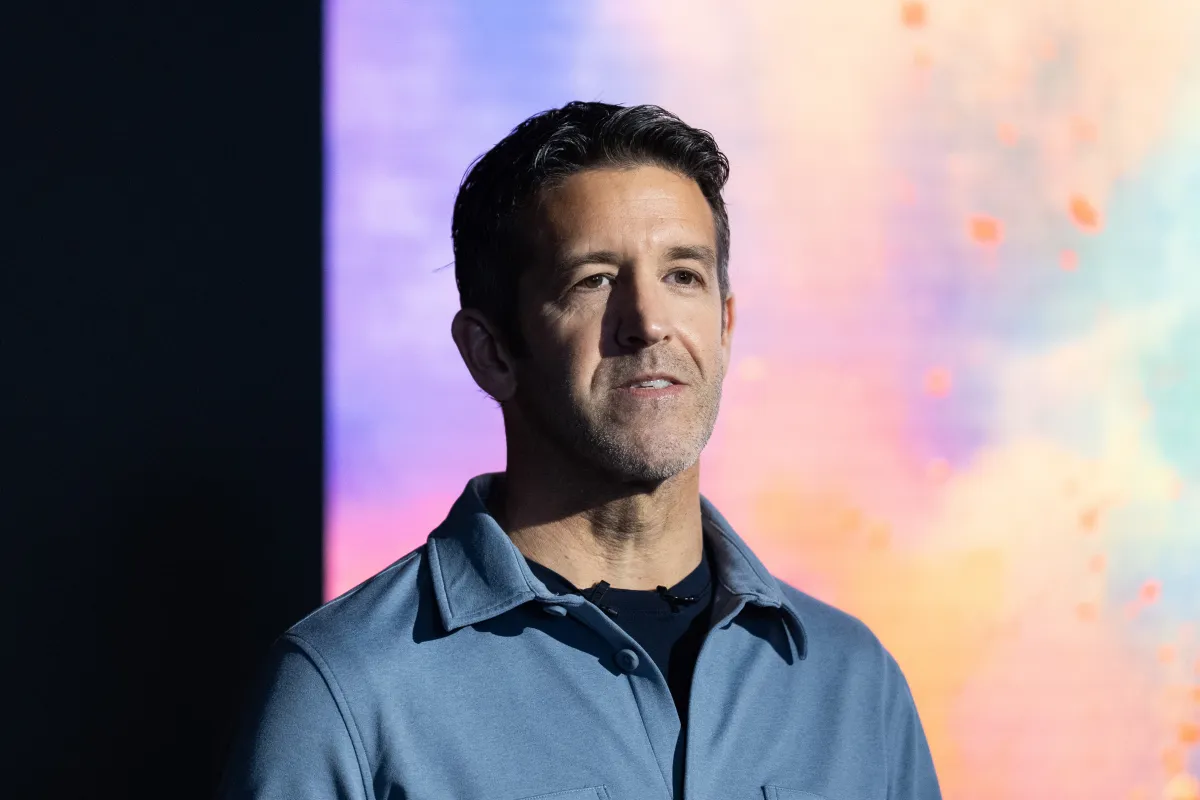

The announcement that John Ternus will succeed Tim Cook as Apple CEO marks a pivotal moment for one of the world’s most valuable sovereign capital holdings, with direct implications for Middle Eastern sovereign wealth funds managing combined Apple exposures exceeding $50 billion across their technology portfolios. The leadership transition arrives at a critical juncture: Ternus’s hardware-first philosophy, demonstrated through his stewardship of the Apple Watch, AirPods, and Vision Pro, signals a strategic pivot toward AI-integrated devices that could reshape regional demand patterns across the Gulf Cooperation Council states, where premium consumer electronics spending continues to outpace global averages by substantial margins.
From a regional infrastructure perspective, Ternus’s anticipated focus on wearable AI devices, smart home robotics, and foldable form factors aligns with Gulf states’ ambitious digital transformation agendas. Saudi Arabia’s NEOM initiative, the UAE’s smart city infrastructure, and Qatar’s technology diversification efforts all require sophisticated edge computing devices capable of operating within integrated urban ecosystems. The incoming CEO’s documented interest in robotics—evidenced by his collegiate work developing assistive mechanical systems—suggests Apple may accelerate development of home robotics platforms that could serve the region’s rapidly expanding smart residential developments, where connected device penetration already exceeds 70% in key markets.
The supply chain realignment initiated under Cook, with Indian manufacturing now accounting for approximately 25% of iPhone production, carries significant implications for MENA trade corridors and regional logistics hubs. As Apple navigates tariff uncertainties and reduces Chinese manufacturing concentration, the company’s expanded Asian footprint creates new routing opportunities through Middle Eastern logistics infrastructure, potentially strengthening the case for regional distribution centers in Dubai and Jeddah. For venture capital ecosystems across the region, Ternus’s device-centric AI approach represents a contrasting thesis to the large language model focus dominating Silicon Valley investment, potentially opening opportunities for regional startups developing complementary hardware, edge AI applications, and device integration services.
Sovereign investors must also assess the governance implications of this transition. Ternus’s elevation from hardware engineering to the chief executive role represents a departure from Cook’s operational and services-oriented leadership model, signaling that Apple’s next growth chapter will be defined by physical product innovation rather than ecosystem monetization. For MENA capital allocators evaluating long-term Apple exposure, this strategic reorientation introduces both opportunity—through potential new product categories serving regional markets—and execution risk, particularly as the company simultaneously manages foldable device launches, robotics development, and the AI wearables race against entrenched competitors including Samsung and emerging Chinese challengers.