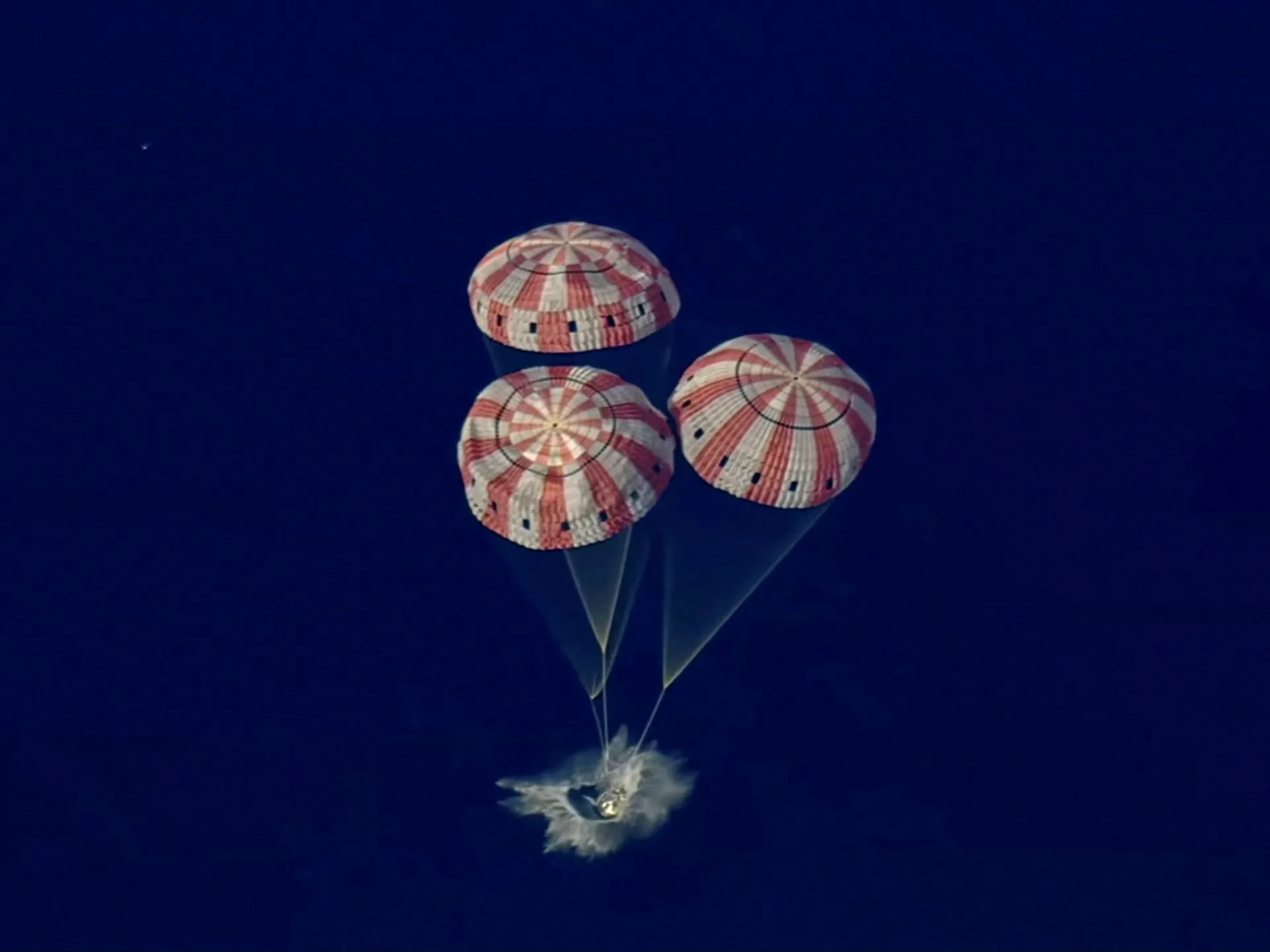

The safe splashdown of NASA’s Artemis II astronauts marks a watershed moment in human space exploration, with profound implications for the Middle East and North Africa’s position in the emerging space economy. This mission, representing humanity’s first lunar flyby in over half a century, underscores the accelerating commercialization of space and the formation of new strategic partnerships between sovereign wealth funds, national space agencies, and private aerospace enterprises.
For the GCC states, particularly the UAE and Saudi Arabia, this development punctuates years of strategic investment in space capabilities and underscores the region’s transition from resource-based economies to knowledge-based powerhouses. The Mohammed bin Rashid Space Centre’s partnership with NASA and the successful deployment of the Arab world’s first Mars probe demonstrate a deliberate pivot toward advanced technology sectors aligned with Vision 2030 objectives. The capital allocative appetite for space infrastructure ventures is likely to intensify as sovereign wealth funds seek to diversify portfolios beyond traditional real estate and energy holdings into deep-tech and aerospace sectors.
Venture capital attention is pivoting toward space-tech startups developing specialized technologies for lunar missions, lunar resource extraction, and space-based manufacturing—areas where MENA innovation hubs are beginning to emerge. The intersection of regional sovereign capital with global aerospace giants creates a unique investment corridor, particularly as governments establish special economic zones for space-related industries. This mission’s success validates the long-term viability of commercial lunar operations, potentially unlocking funding for regional players seeking to establish orbital launch facilities, satellite manufacturing plants, and lunar logistics infrastructure across the GCC and North Africa.