
The landscape of artificial intelligence in the MENA region continues to evolve at a pace that demands both cautious optimism and heightened vigilance. Over the past four weeks, we have witnessed a seismic shift in how we conceptualize the future of technology—not merely as disruptive innovation, but as an emerging strategic force reshaping the very foundations of business and infrastructure. With the unveiling of Claude Mythos in the MENA space and the proliferation of advanced AI offerings across the region, stakeholders are witnessing both the promise and peril of generative AI at an unprecedented scale.
At the core of this transformation is the stark reality of cybersecurity vulnerability. Claude Mythos, Anthropic’s latest frontier language model, has emerged under scrutiny for the breadth of zero-day security flaws it was found to harbor. Critics argue that such revelations underscore the urgent necessity for robust safeguards in the deployment of AI systems—particularly within sectors where state and economic interests are deeply intertwined. While proponents celebrate the model’s benchmark performance and the potential for cybersecurity advancement, defenders caution against conflating technical superiority with autonomous hazard. The challenge now lies not only in managing these vulnerabilities but in establishing transparent governance models that distinguish between mere risk mitigation and genuine threat escalation.
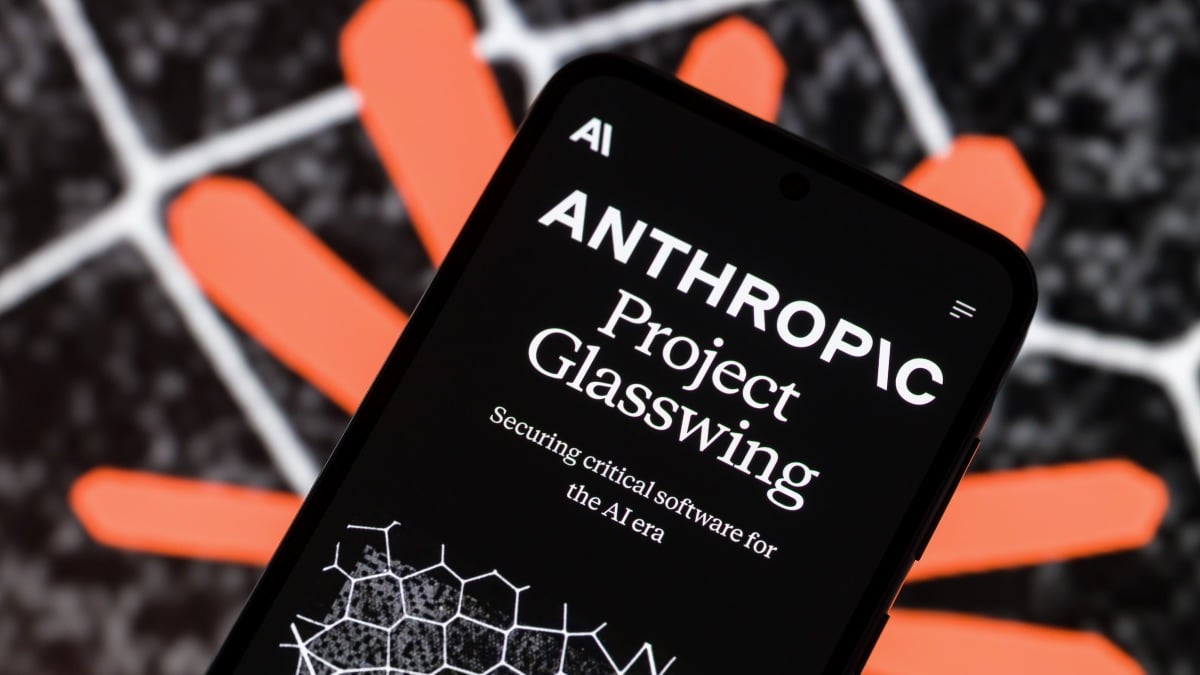
Amid these concerns, financial markets and venture capital landscapes are recalibrating. Sovereign investors, eager to position themselves at the vanguard of the AI frontier, are recalibrating strategies to balance the allure of cutting-edge research with the imperative of prudent risk management. The emergence of projects like Project Glasswing further illustrates this push toward cautious participation; invite-only collaboration between industry titans and select organizations serves as both a test of capability and a signal of collective risk awareness. Analysts underscore that the true test will not be whether such models can outpace legacy systems, but whether responsible deployment frameworks can prevent an otherwise inevitable cascade of cascading security incidents.
In this new paradigm, the region stands at a crossroads—one where the allure of AI innovation must be matched by a resolute commitment to accountability, transparency, and resilience. Ignoring these concerns would not be merely shortsighted; it would invite systemic consequences that could undermine not just individual assets, but the broader economic and technological stability of the MENA landscape. The coming months will hinge on whether leadership in the region can turn this moment into a calculated, measured response rather than a blind leap into the uncharted frontier.