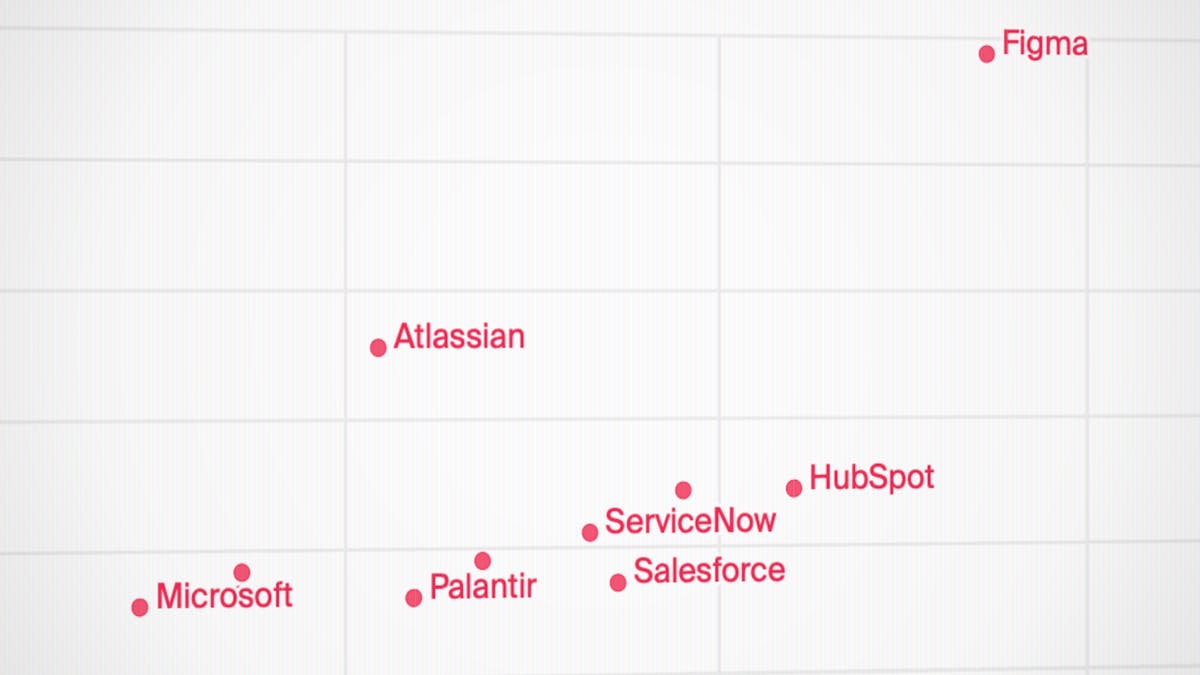

In the wake of Wall Street’s recent pivot away from mature enterprise‑software names, Atlassian and Figma have intensified their research‑and‑development campaigns, positioning themselves as the vanguard of the AI‑driven workspace revolution. Their escalating R&D budgets—projected to exceed $1.4 billion this fiscal year—reflect a strategic bet that continuous, AI‑enhanced collaboration tools will dominate the next decade of digital work. For MENA investors, the implication is clear: capital flows that once favored legacy SaaS products are now being redirected toward companies that can embed generative intelligence into their core offerings.
From a sovereign standpoint, the region’s tech landscapes stand to benefit from spill‑over effects. Countries with robust cloud‑and‑data‑infrastructure, such as the UAE and Saudi Arabia, can leverage Atlassian’s and Figma’s platforms to accelerate digital‑government initiatives and digital‑trade corridors. Moreover, these firms’ commitment to open ecosystems may encourage local middleware and integration startups to flourish, providing new avenues for sovereign venture capital to invest in high‑growth, talent‑driven enterprises. The resulting ecosystem could help alter the region’s export mix, shifting it from resource‑based revenues toward a diversified, tech‑enabled economy.
Venture capital’s appetite for AI‑augmented SaaS models is already evident in the recent Series D rounds that have surpassed $200 million for niche collaborators and design‑intelligence providers across the Middle East. The competitive landscape is tightening as firms scramble to capture early‑mover advantage in a space where machine‑learning capabilities can quickly become proprietary. Fund managers in the MENA region must now evaluate the risk of overvaluation against the strategic benefit of securing stake in foundational platforms that will underpin tomorrow’s cloud infrastructure.
Infrastructure implications run beyond capital. Atlassian and Figma’s intensifying data‑processing demands necessitate higher bandwidth, edge‑computing nodes, and stricter data‑localization measures—stimuli that national regulators are already exploring. For instance, Saudi Arabia’s 2025 Digital Kingdom Blueprint requires cloud service providers to host critical workloads within the country, thereby creating a niche for regional, AI‑friendly hosting providers. As these firms expand their footprint, MENA’s telecom operators and data centres are poised for a surge in demand for high‑capacity, low‑latency services, further cementing the region’s role as a burgeoning nexus for next‑generation digital infrastructure.