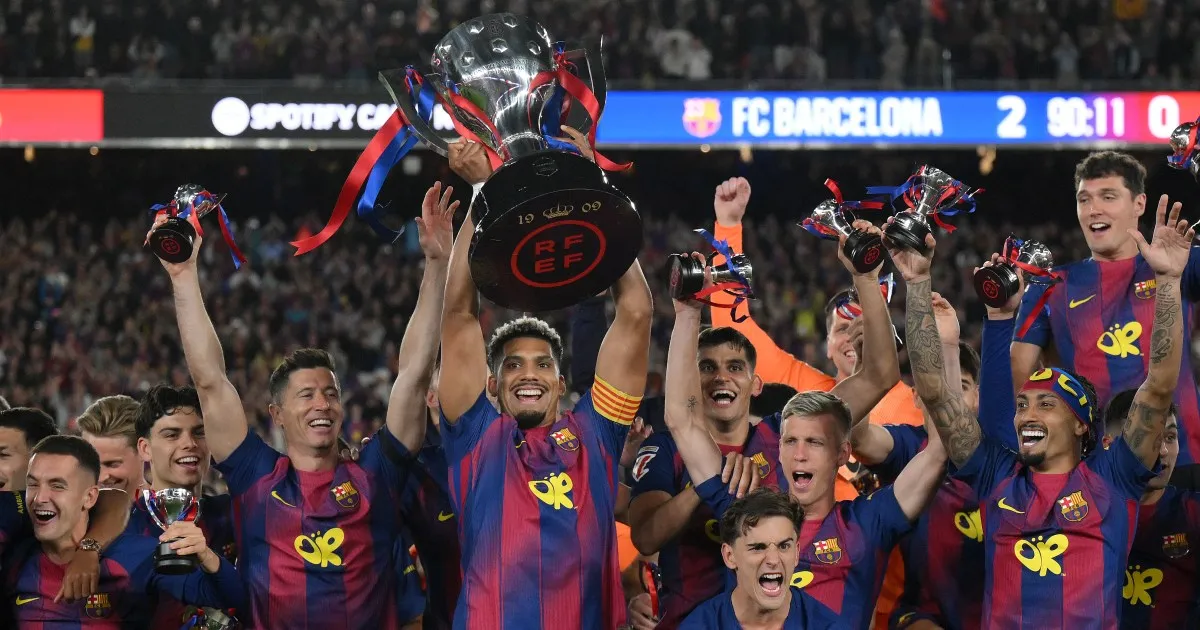

Barcelona’s 2‑0 triumph over Real Madrid not only clinched the club’s 29th La Liga title but also re‑affirmed the city’s status as a high‑yield asset for sovereign wealth funds and private equity investors across the MENA corridor. The match, played at a fully reopened Camp Nou, underscored the premium that emerges when elite sporting brands converge with commercial sponsorship, broadcasting rights, and European competition exposure. For sovereign patrons such as Saudi Arabia’s Public Investment Fund or the Abu Dhabi Investment Authority, the victory translates into sustained stadium revenue streams, increased merchandising demand, and a reinforced brand narrative that can be leveraged in cross‑regional partnership deals, particularly in the Gulf’s burgeoning digital sports ecosystem.
From a venture‑capital perspective, the outcome signals a widening moat for tech‑enabled sports platforms. Barcelona’s recent rollout of its own streaming service, coupled with a multi‑year partnership with the league’s digital rights holder, shows a clear exit pathway for early‑stage investors who backed the club’s data‑driven fan‑engagement initiatives. The 14‑point cushion left before the season’s final crunch ensures a low‑variance return on infrastructure projects, such as the proposed high‑speed rail link to Zaragoza, that are already under Saharadyne’s consortium. Parallel ventures in MENA, where state‑backed entities are prioritising “smart stadiums” and real‑time analytics, can draw strategic lessons from this European model.
The regional impact extends beyond immediate financial flows. Spain’s re‑investment in municipal utilities, facilitated by the EU’s Green Deal, dovetails with MENA’s own energy transition programmes, making the Iberian club’s emphasis on sustainability a compelling case study. By aligning its corporate social responsibility initiatives with carbon‑offset technology vendors—many of whom are headquartered in the UAE—the club has created a template for ESG‑aligned capital deployment that can attract sharia‑compliant green bonds and fair‑trade equity funds that are increasingly popular among Gulf investors.
Finally, the disruptive effect on Real Madrid’s trophy drought will shift the competitive balance in La Liga, influencing sponsorship negotiations for the next fiscal year. The residual value of the club’s asset mix, now compounded by the loss of broadcast revenue associated with a Champions League exit, will present a higher valuation risk premium. Investors in the MENA market must therefore recalibrate their risk models, factoring in both the direct financial impact of a La Liga title shift and the secondary effects on associated infrastructure and media rights. The Barcelona showdown, while a sporting spectacle on the surface, thus represents a multifaceted catalyst for sovereign, venture, and infrastructural capital flows across the Middle East and North Africa.