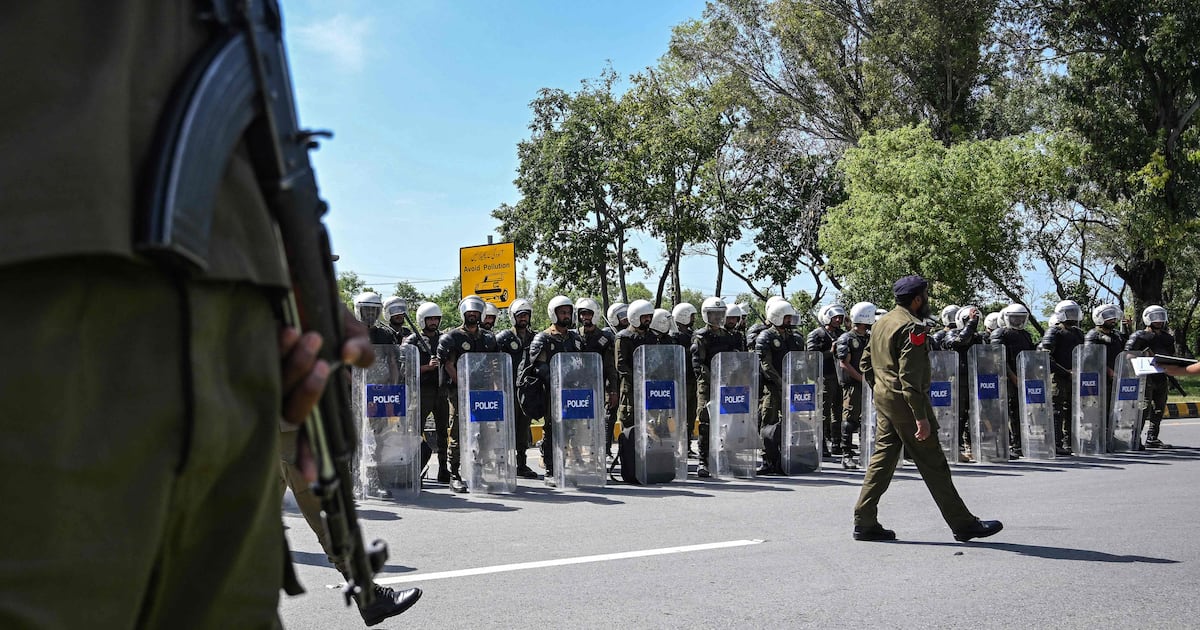

The staging of indirect US-Iran negotiations in Islamabad represents a seismic shift in the geopolitical calculus of the Middle East and North Africa (MENA), with profound implications for regional capital allocation and economic strategy. Pakistan’s emergence as the essential mediator underscores a recalibration of regional power dynamics where sovereign capital repositories, particularly from Gulf states, are poised to reassess investment trajectories based on the potential for de-escalation. Should these fragile talks yield a durable framework, we anticipate significant downstream effects: sovereign wealth funds may accelerate deployment into previously inaccessible Iranian markets, while venture capital flows targeting cross-border fintech, energy transition technologies, and logistics infrastructure could witness a quantum leap, catalysing a new phase of regional integration hitherto constrained by geopolitical friction.
Business impact contingent on a successful outcome extends far beyond bilateral relations; the fragility of the existing ceasefire underscores the immense stakes for regional infrastructure and supply chain resilience. Pakistan’s logistical corridors, particularly its position as a potential bridge linking Central Asia, the Gulf, and beyond, stand to attract substantial sovereign capital for expansion and modernisation. Concurrently, venture capital activity in MENA’s burgeoning tech and deep-tech sectors may pivot towards solutions addressing regional security dependencies and energy security, reflecting a strategic pivot from pure disruption to systemic resilience. The absence of a breakthrough, conversely, would amplify risk premiums across the region, tightening credit conditions and pressuring infrastructure financing pipelines.
The role of sovereign capital in shaping the post-conflict reconstruction narrative emerges as a critical variable, with Gulf SWFs potentially positioning themselves as preferred partners for Iranian infrastructure rehabilitation and energy sector development. Simultaneously, venture capital ecosystems in Dubai, Riyadh, and Tel Aviv could experience a bifurcation: heightened investment in borderless technologies fostering inter-regional connectivity, coupled with heightened scrutiny on defensibility in sectors exposed to geopolitical volatility. Islamabad’s diplomatic gambit thus not only redefines the regional security architecture but also presents a defining inflection point for MENA’s long-term capital deployment, tech evolution, and infrastructure integration prospects.