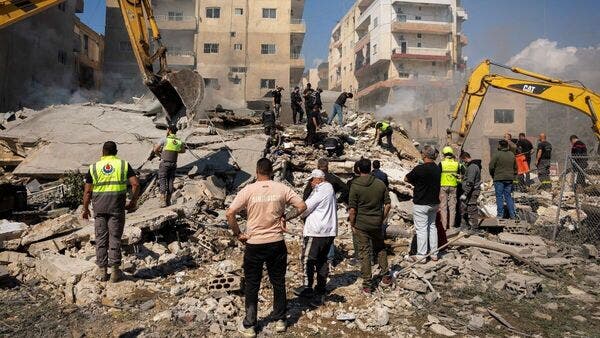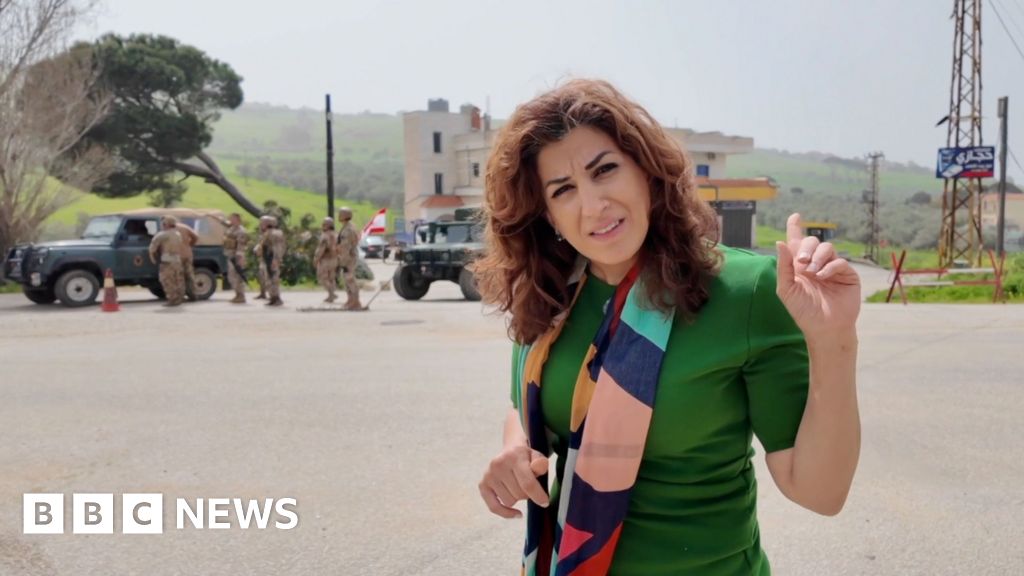

The ceasefire between Israel and Hezbollah has entered its second day with marked volatility along Lebanon’s southern border, particularly in the strategic town of Khiam. The Lebanese army has enforced a security perimeter, barring displaced residents from returning amid ongoing explosions in partially occupied areas. This enforced pause in hostilities offers a fragile window of opportunity amid wider regional instability, with the potential to unlock meaningful governance and reconstruction momentum—critical factors as Lebanon grapples with its ongoing economic crisis.
President Joseph Aoun’s declaration of a “new phase” signals potential alignment with the international community’s strategic interests in south Lebanon, raising prospects for sovereign-backed capital allocation toward institutional revival. Such a transformation from temporary truce to enduring settlement could catalyze long-stalled regional infrastructure projects, particularly in energy transit and cross-border logistics corridors involving Lebanon, Syria, and the broader GCC network. These developments have significant implications for sovereign wealth deployment patterns and direct foreign investment flows into a region long hindered by security concerns.
For MENA venture capital ecosystems, stabilization in Lebanon could serve as a catalyst for renewed interest from pan-regional investors, unlocking dormant capital earmarked for post-conflict reconstruction and digital transformation. Infrastructure firms, telecoms providers, and logistics operators stand to benefit from renewed reconstruction commitments, while financial technology providers could help formalize Lebanon’s fragmented banking sector as international liquidity channels gradually reopen. With geopolitical risk priced into regional asset valuations, sustained progress on the ground may prompt recalibration of sovereign fund allocation strategies across the Gulf and beyond, benefiting Lebanon’s economic recovery trajectory in the medium to long term.