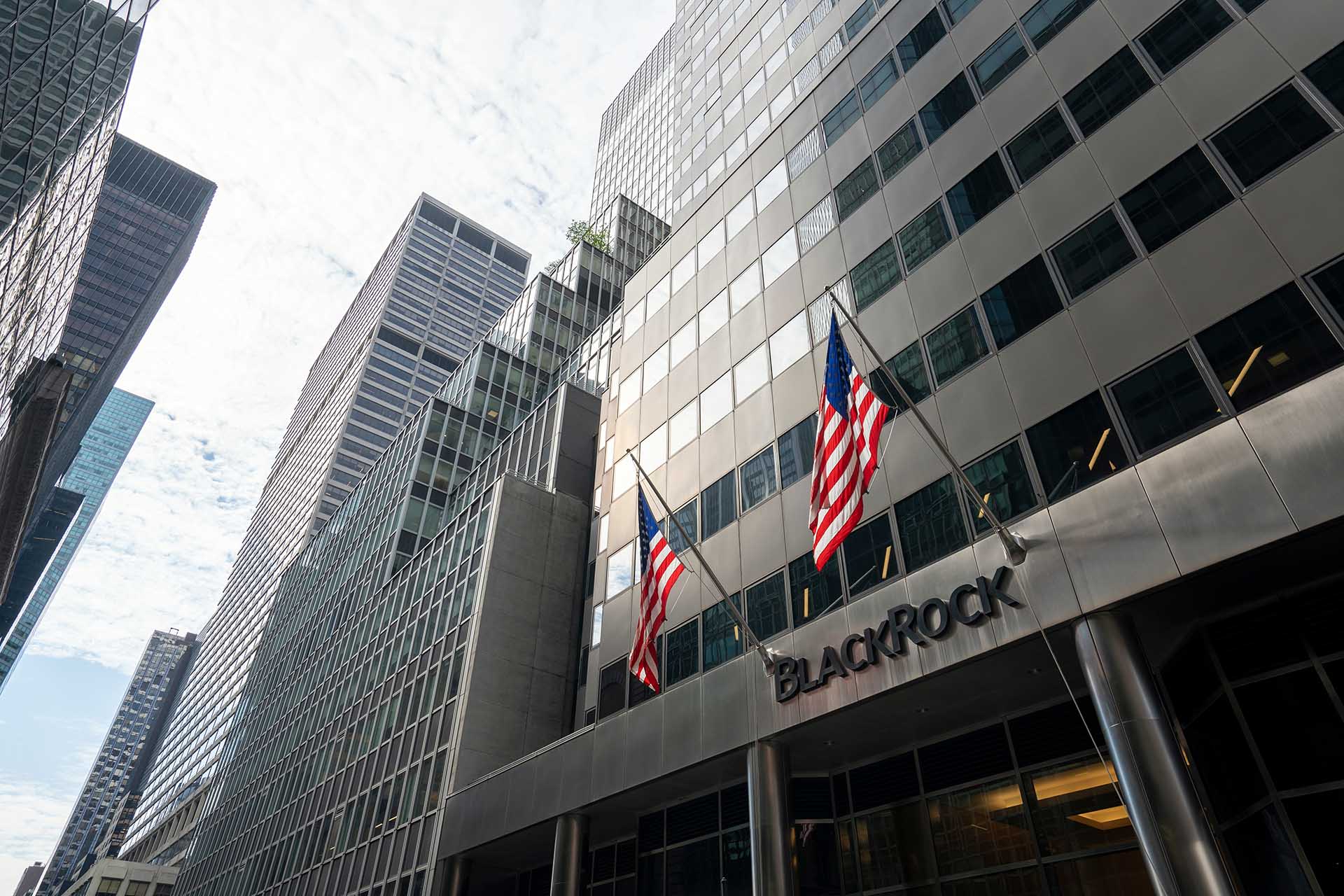

The confluence of BlackRock’s Global Infrastructure Partners, Singapore’s Temasek Holdings, Abu Dhabi’s L’Imad Holding, and ADNOC on a $30 billion infrastructure vehicle underscores a fundamental shift in capital allocation toward the Gulf Cooperation Council region. This partnership, targeting energy transition, transport, logistics, and waste management across the GCC and Central Asia, represents one of the largest dedicated infrastructure commitments in the region’s history. Amidst ongoing regional tensions, the collaboration signals that institutional investors view the MENA region not as a geopolitical risk premium, but as a structural growth opportunity driven by ambitious economic diversification agendas.
The scale of this commitment—combining Temasek’s $434 billion portfolio and GIP’s $103 billion asset base with L’Imad’s $300 billion mandate—demonstrates the emergence of a sophisticated three-tiered capital structure comprising global institutional investors, sovereign wealth funds, and national oil company balance sheets. L’Imad’s rapid ascent as Abu Dhabi’s latest SWF, absorbing ADQ’s infrastructure mandate, reflects a broader consolidation of sovereign capital to execute megaprojects aligned with UAE Vision 2071. This capital synthesis enables risk mitigation through diversified funding mechanisms, with the vehicle structured to deploy both equity and debt capital across projects requiring substantial long-term financing.
Market sentiment indicators reinforce this bullish posture: General Atlantic and KKR executives cite persistent local capital deployment despite regional uncertainty, signaling that regional investors prioritize structural development over short-term volatility. The initiative arrives as ADNOC simultaneously mobilizes $150 billion in capital expenditure through 2030, creating synergistic effects between upstream expansion and downstream infrastructure development. This convergence suggests the region’s infrastructure gap—historically reliant on external financing—may finally attract sufficient domestic capital to bridge the estimated $200 billion needed for renewable energy, transportation networks, and digital connectivity by 2030.
The strategic implications extend beyond immediate deployment, establishing precedent for public-private partnership frameworks that could catalyze similar vehicles focused on water security, food production, and clean energy transition. By tethering Gulf sovereign capital to global infrastructure funds, this arrangement creates a replicable model for other MENA economies seeking to leverage institutional expertise while maintaining operational control over strategic assets. The success of this platform will likely influence regulatory evolution, particularly regarding foreign ownership restrictions and profit repatriation mechanisms critical for sustained capital inflows into the region’s emerging infrastructure markets.