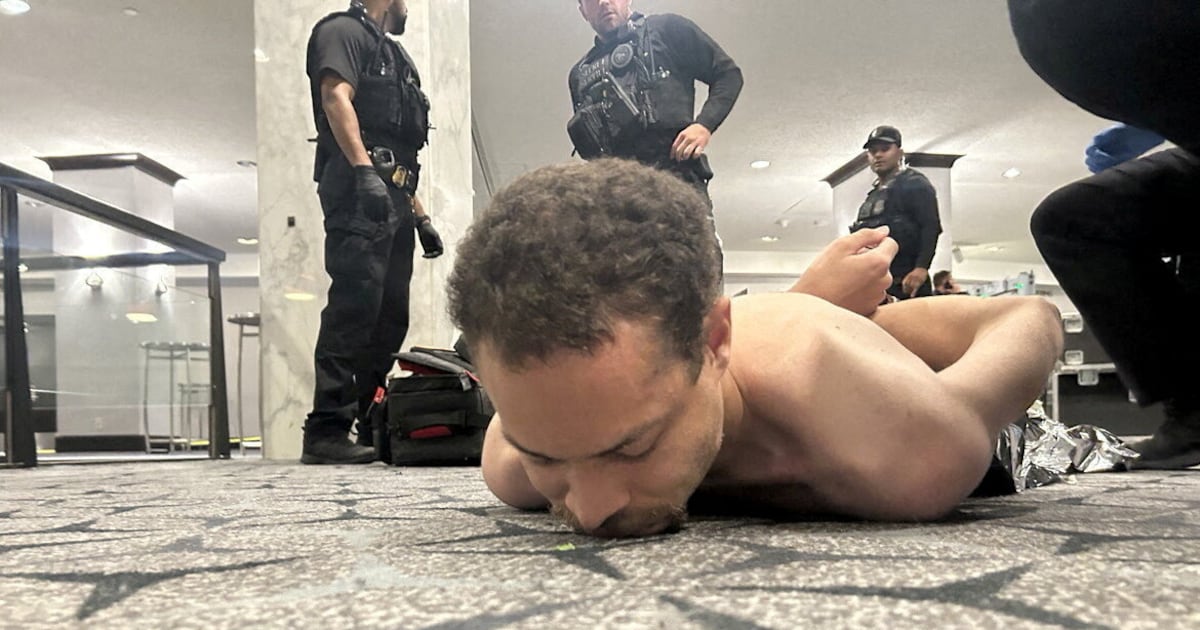

The recent incident involvingthe shooting at the White House Correspondents’ Dinner underscores critical vulnerabilities in global security infrastructure, with profound implications for business operations across the Middle East and North Africa (MENA). While the event itself occurred in the United States, its reverberations extend to MENA’s economic and technological ecosystems. High-profile attacks disrupt international business confidence, particularly in sectors reliant on cross-border collaboration, such as fintech, energy, and digital services. For sovereign governments in the region, such incidents exacerbate existing risks to foreign direct investment (FDI), as political instability or security breaches can deter capital inflows. Companies operating in MENA must reassess risk mitigation strategies, particularly in event management, hospitality, and government partnerships. The integration of advanced cybersecurity measures and physical security protocols will become non-negotiable for businesses seeking to maintain stakeholder trust.
The incident also raises concerns about sovereign capital flows within MENA. High-net-worth individuals and institutional investors in the region often channel funds into global markets, including the U.S., but escalating geopolitical tensions or security anomalies may prompt a reevaluation of such allocations. Sovereign wealth funds in countries like Saudi Arabia, UAE, and Egypt, which traditionally diversify portfolios across asset classes, may face increased scrutiny over the safety of international investments. This could accelerate a shift toward regional diversification, with sovereign entities prioritizing investments in MENA’s developing infrastructure or digital economies. However, this strategic pivot requires robust governance frameworks to ensure returns amid macroeconomic uncertainties. The heightened focus on security could also strain public finances, diverting sovereign capital from long-term development projects to emergency preparedness and crisis response.
For venture capital (VC) activity in MENA, the event highlights the need for sector-specific risk assessments in tech and innovation hubs. MENA’s growing venture ecosystem, particularly in cybersecurity, artificial intelligence, and fintech, attracts significant global interest. However, incidents like this may temper investor appetite for early-stage startups perceived as vulnerable to external shocks. VC firms will likely demand stricter due diligence on operational security, especially for companies in sectors interfacing with government entities or critical infrastructure. Concurrently, the region’s VC landscape could benefit from increased collaboration with sovereign entities to co-invest in projects that align with regional stability and technological resilience. For instance, partnerships between MENA-based VCs and Middle Eastern sovereign funds could channel capital into infrastructure projects that enhance digital security or smart city initiatives, addressing both economic and security imperatives.
Regional infrastructure development in MENA will face mounting pressure to incorporate advanced security technologies in response to global threats. The incident serves as a catalyst for MENA governments to accelerate investments in smart surveillance systems, cyber-physical defense networks, and resilient event management protocols. Cities like Dubai, Tel Aviv, and Riyadh, which host major international events and financial hubs, must prioritize infrastructure upgrades to mitigate reputational and economic risks. Such investments, while costly, align with long-term goals of integrating MENA into global supply chains and tech ecosystems. However, the effectiveness of these measures will depend on regional cooperation. Cross-border mechanisms for sharing threat intelligence or coordinating security responses could enhance operational efficiency, but political fragmentation in parts of the region may hinder progress. Ultimately, the interplay between security, economic growth, and infrastructure in MENA will hinge on the ability of stakeholders to navigate these multiplic./