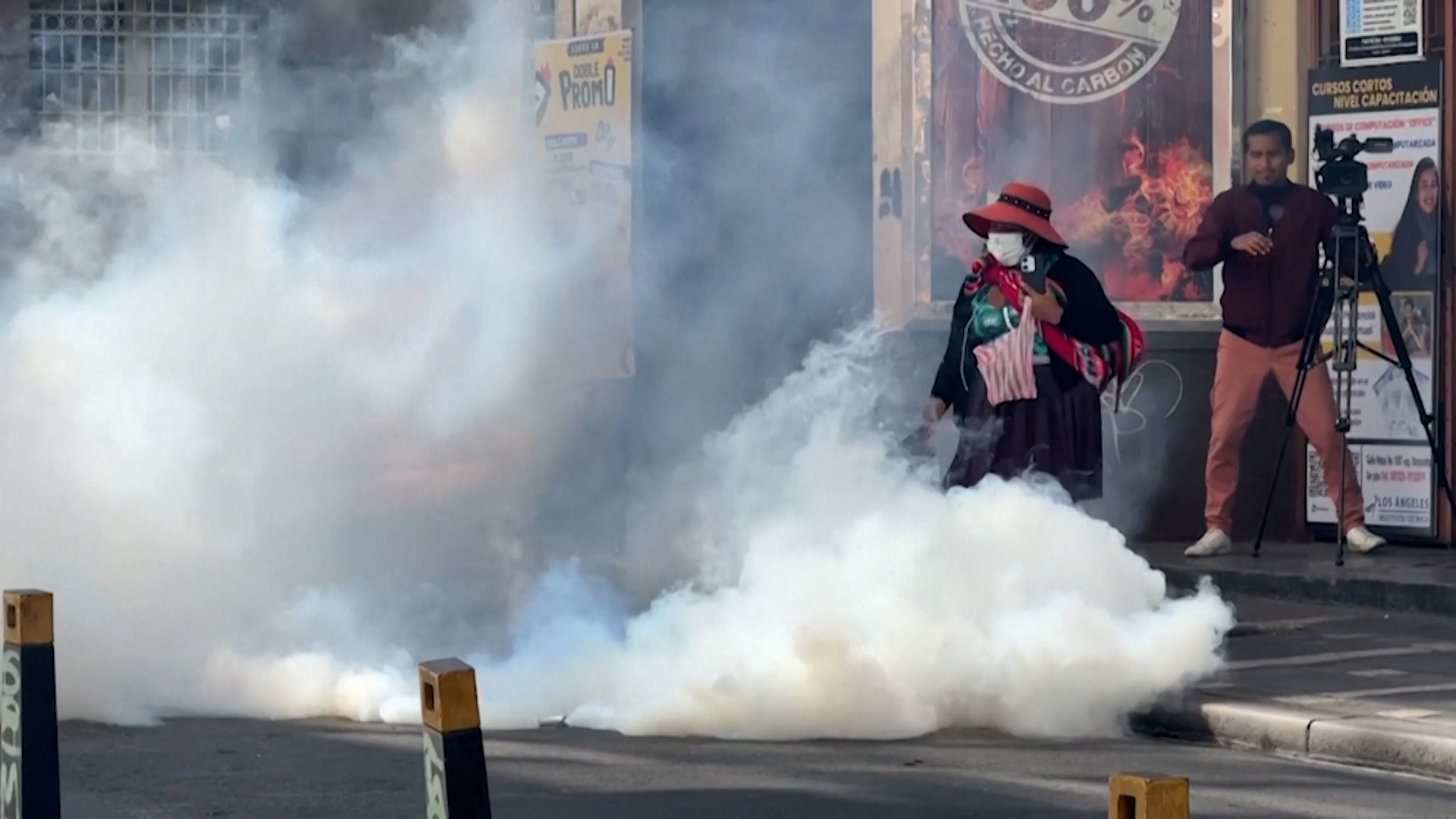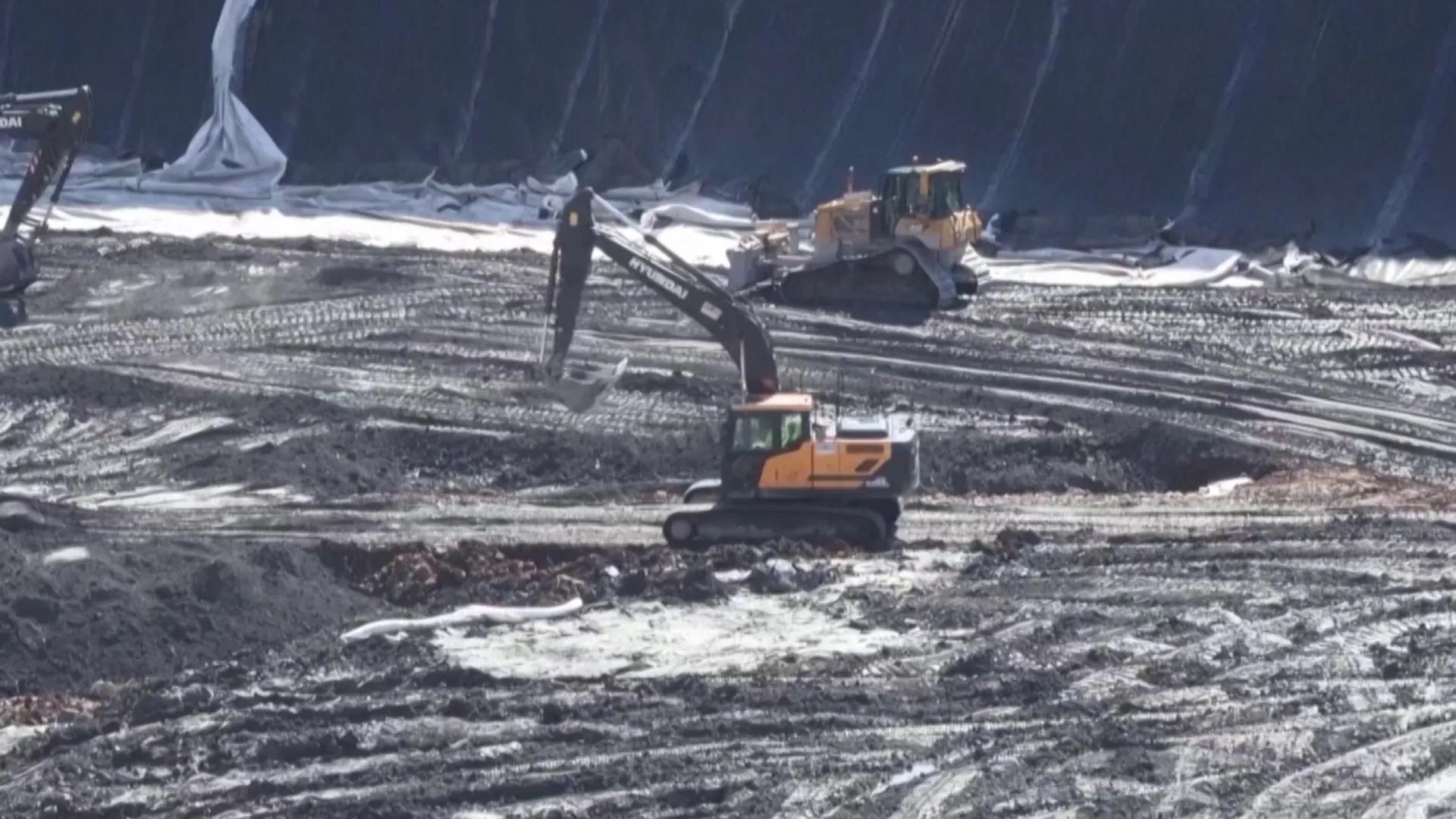

Four Bosnian environmental agencies have filed regulatory charges against a Canadian mining group over lead poisoning incidents linked to its controversial Vares mine, where hundreds of nearby residents have tested positive for elevated lead levels in a stark reversal of the project’s original promise to deliver local prosperity. Published on 7 May 2026, the enforcement action comes as locals warn the mine has brought ruin rather than the economic growth touted by investors, with potential operational suspensions and civil penalties now looming for the Canadian operator. For Middle East and North Africa (MENA) sovereign wealth funds (SWFs) with expanding global allocations to critical and base mineral assets, the case underscores mounting ESG liability risks that are forcing a recalibration of due diligence standards for emerging market extractive investments. Regional SWFs including Saudi Arabia’s Public Investment Fund (PIF), Mubadala Investment Company, and Egypt’s Sovereign Fund of Egypt (TSFE) hold combined exposure of more than $12bn to mining assets across Europe, Central Asia, and Africa, leaving their portfolios vulnerable to similar social license failures in jurisdictions with nascent environmental enforcement frameworks.
Venture capital allocations across the MENA region, which hit a record $4.1bn in 2025 per MAGNiTT data, face downstream exposure to such regulatory shocks as regional VCs increasingly back climate tech, supply chain integrity, and environmental compliance startups tied to the extractive sector. The Bosnian case reveals a persistent due diligence gap for early-stage investors targeting mining-adjacent solutions, as legacy environmental liabilities at operational assets can erase the valuation of portfolio companies reliant on stable mineral supply chains for downstream industrial customers. MENA-based conglomerates with stakes in Balkan or Central European mining assets, including Dubai-based investment firms with European extractive holdings, will likely face immediate repricing of ESG risk premiums, with non-compliant exposures triggering potential write-downs in Q2 2026 earnings cycles. This dynamic is already shifting deal flow for regional VC firms, which are prioritizing startups with verifiable ESG auditing tools over generalist extractive tech plays.
Infrastructure pipelines across the MENA region, including Saudi Arabia’s $500bn NEOM development, the UAE’s industrial strategy targeting 300% growth in advanced manufacturing, and Morocco’s cobalt export corridor, rely on uninterrupted, compliant mineral supply chains that are increasingly vulnerable to reputational and regulatory spillovers from foreign mining partners. The Bosnian enforcement action sets a precedent for strict environmental oversight that MENA regulators are already mirroring, as Morocco tightens ESG requirements for cobalt miners, Saudi Arabia mandates third-party environmental audits for all foreign operators in its phosphate sector, and Egypt enforces new lead exposure limits for gold mining projects in the Eastern Desert. Sovereign capital deployed in regional infrastructure funds is now prioritizing ESG-linked covenants in all extractive-linked investments, a shift that will redirect up to $8bn in annual allocation away from opaque operators toward firms with verified compliance and remediation frameworks.
The incident also accelerates demand for MENA venture-backed environmental monitoring, real-time liability tracking, and low-cost remediation technologies, creating a new high-growth vertical for regional VC firms targeting climate resilience solutions. As sovereign wealth funds increasingly mandate ESG integration across their portfolios, startups offering verifiable compliance tools for extractive assets will capture a disproportionate share of institutional funding, further aligning regional capital allocation with global sustainability standards while insulating MENA balance sheets from external regulatory shocks. For the Canadian miner at the center of the Bosnian case, the charges represent a cautionary tale for all foreign operators seeking to court MENA sovereign capital, as regional investors now prioritize social license and environmental compliance over projected yield in extractive sector deals.