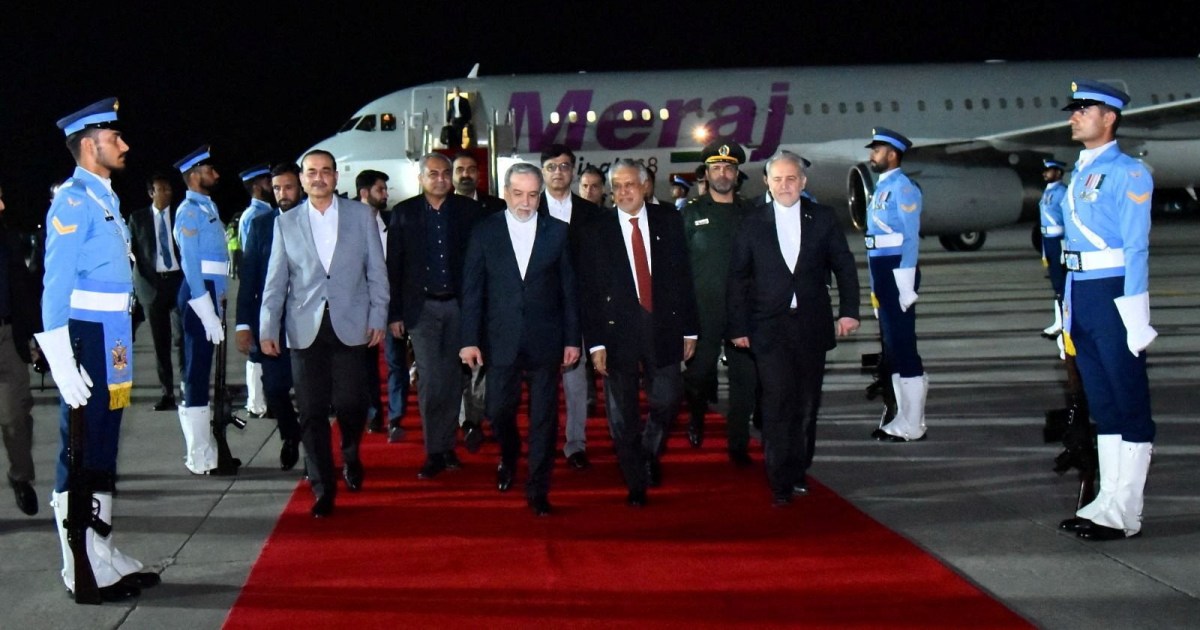

The recent deployment of U.S. envoys Steve Witkoff and Jared Kushner to Pakistan, alongside the arrival of Iranian Foreign Minister Abbas Araghchi in Islamabad, underscores the region’s precarious diplomatic landscape and its direct implications for sovereign capital flows and venture capital (VC) activity. While the U.S. emphasizes an “open window” for Iran to abandon its nuclear ambitions through “meaningful and verifiable” measures, the persistent deadlock in negotiations heightens uncertainty for cross-border investment. For Middle Eastern and North African (MENA) sovereign entities, this stalemate risks further erosion of sovereign capital reserves, as geopolitical volatility continues to deter foreign institutional investors. Concurrently, VC ecosystems in the region, particularly those engaged in fintech or energy transition projects, face amplified risks from sanctions-related constraints on cross-border capital mobility. The potential reopening of the Strait of Hormuz, a critical infrastructure node for oil and LNG trade, remains a linchpin for regional economic stability. Any resolution to energy supply chain disruptions could unlock VC-driven infrastructure projects, but unresolved tensions may instead catalyze localized financing mechanisms to circumvent geopolitical choke points.
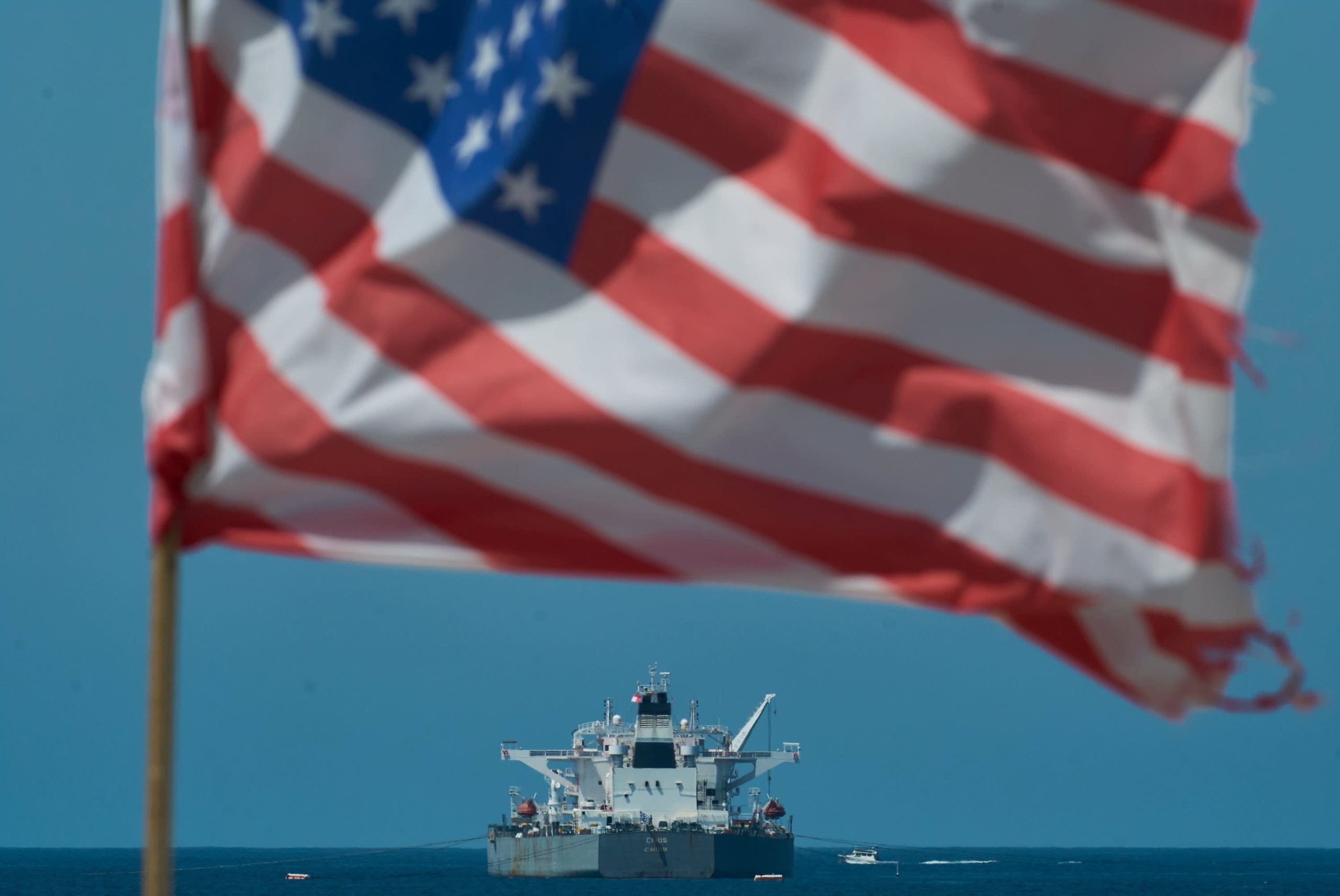
The U.S. Treasury’s $344 million cryptocurrency freeze targeting Iran-linked assets represents a strategic assault on Tehran’s financial sovereignty, with ripple effects across regional business and technological ecosystems. By destabilizing Iran’s crypto-adjacent ventures, Washington aims to curtail its capacity to mobilize sovereign capital through alternative digital channels. For MENA VC firms, this escalation heightens due diligence requirements, particularly in jurisdictions prone to regulatory arbitrage. Additionally, the European Council’s insistence on Hormuz’s immediate reopening without “restrictions or tolling” signals a competing interest in securing energy infrastructure stability, complicating sovereign decisions on capital allocation between immediate energy revenues and longer-term green investments. Meanwhile, U.S. sanctions on Iranian oil networks and China-based refining entities underscore the fragility of regional supply chains, compelling businesses and sovereigns alike to recalibrate infrastructure investments toward dual-use technologies or redundant logistics networks to mitigate future disruptions.
The concurrent military buildups and regional conflicts, including the Gulf drone incident near Kuwait and heightened Israeli operations in Lebanon and Gaza, inject additional volatility into MENA financial and technology markets. For sovereign capital, sustained military engagement risks diverting fiscal resources away from developmental priorities, exacerbating debt burdens and limiting capacity for strategic VC funding. Infrastructure projects—whether energy, digital, or manufacturing—face heightened execution risks amid fragmented security environments. Conversely, localizedVC ecosystems in GCC states or North Africa may benefit from heightened regulatory caution in Iran, attracting spillover capital if geopolitical risks recede. The U.S. military’s tripling of aircraft carriers in the region further underscores the long-term strategic calculus, potentially influencing sovereign investment decisions through signals of extended conflict duration. Ultimately, the MENA region’s ability to harness business innovation and sovereign capital growth hinges on de-escalation, yet the current trajectory suggests a prolonged period of misaligned priorities that could stall transformative infrastructure and tech initiatives.