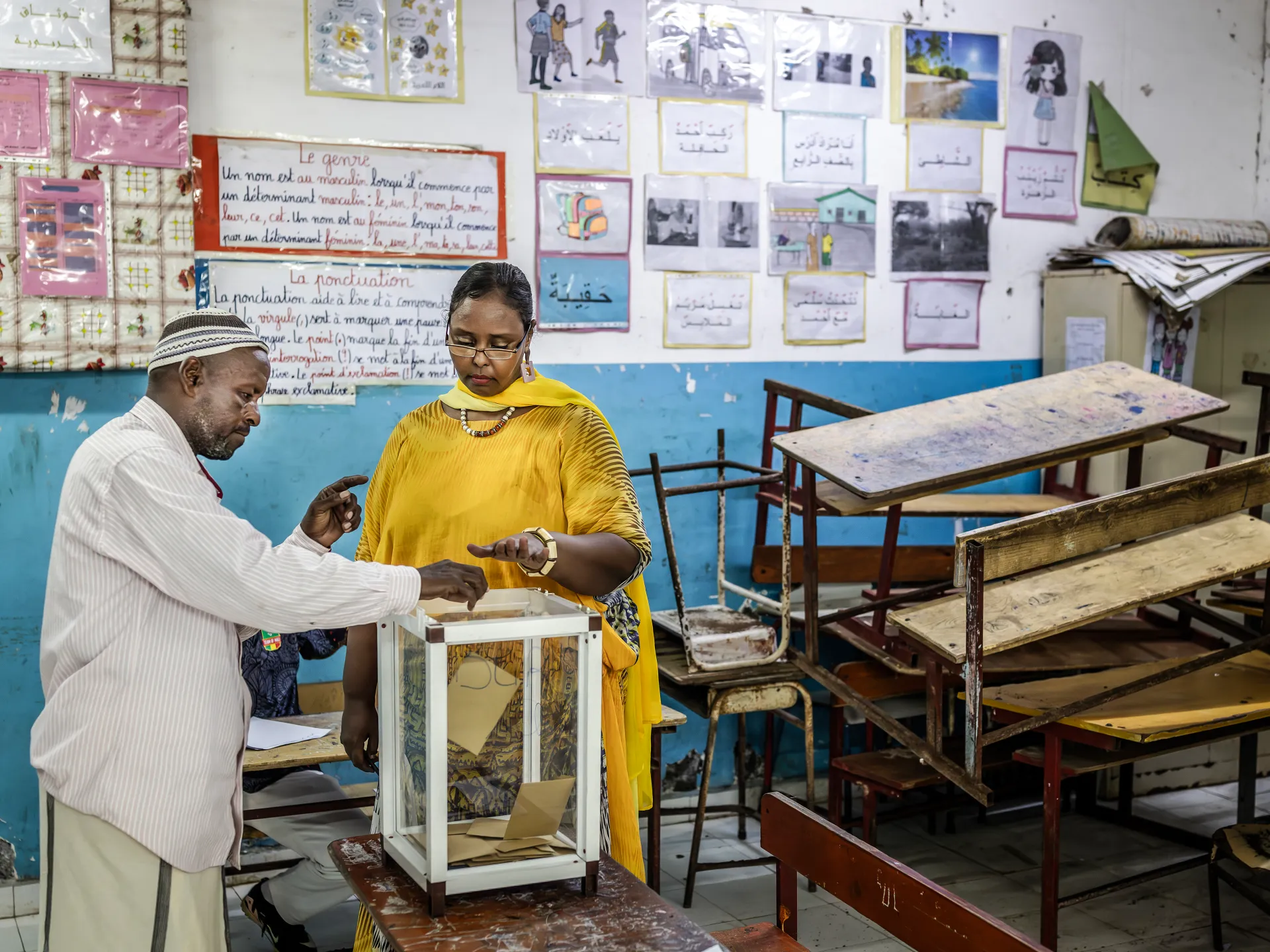

Djibouti’s presidential election on April 10, 2026, has proceeded with limited international attention despite its implications for regional stability and strategic infrastructure investments. The incumbent Ismail Omar Guelleh, 78, who has governed since 1999, faced only one challenger in a country that has become a critical node for global maritime commerce and military positioning. Last year, legislators removed constitutional age limits, enabling Guelleh to seek a sixth term after previously being ineligible. Turnout was notably subdued across Djibouti City, with reports of polling stations opening late and voters trickling in throughout the morning. Analysts attribute the restrained public engagement to structural political constraints rather than overt coercion, though human rights organizations continue to raise concerns about restrictions on political discourse and opposition participation.
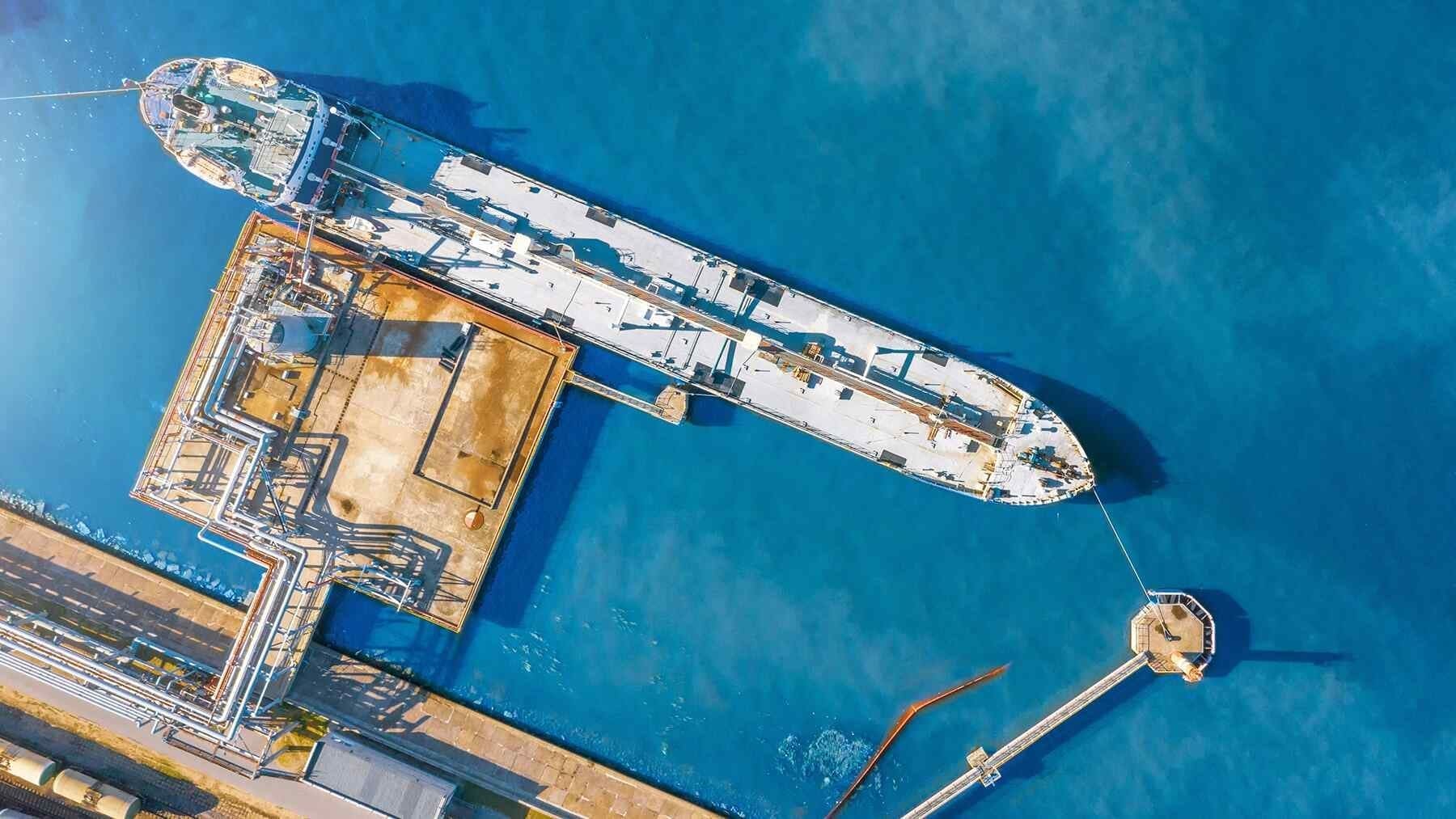
The absence of credible multiparty competition, with the main opposition forces boycotting since 2016, reflects a broader pattern in which Djibouti’s governance structure privileges stability over open electoral contestation. This dynamic carries significant ramifications for sovereign capital deployment and infrastructure financing across the Horn of Africa. Djibouti’s streamlined political continuity underpins its ability to negotiate and maintain long-term agreements with foreign governments, enabling substantial inflows of sovereign funding from Gulf Cooperation Council states, the European Union, and China. The recent destruction of commercial vessels in Yemen propelled Djibouti into an unexpected role as a destination for damaged shipping, reinforcing the strategic value of its Red Sea-facing infrastructure in a volatile security environment.
For regional investors, Guelleh’s extended tenure signals continued alignment with geopolitically driven capital projects and port development. These developments position Djibouti as an enabling hub for Ethiopia’s landlocked economy, a connecting point in Belt and Road Initiative-linked corridors, and a location of critical military basing for global powers. The retention of governance continuity reduces sovereign investment risk narratives that multilateral institutions often cite in justifying funding for the country’s emerging rail and free trade zone projects. However, the concentration of decision-making power amplifies both the direct influence of foreign stakeholders and the capacity to secure external capital despite limited domestic institutional checks. Whether this model fosters sustainable development or entrenches strategic rent dependency remains a point of ongoing debate among regional policy architects and sovereign wealth managers.