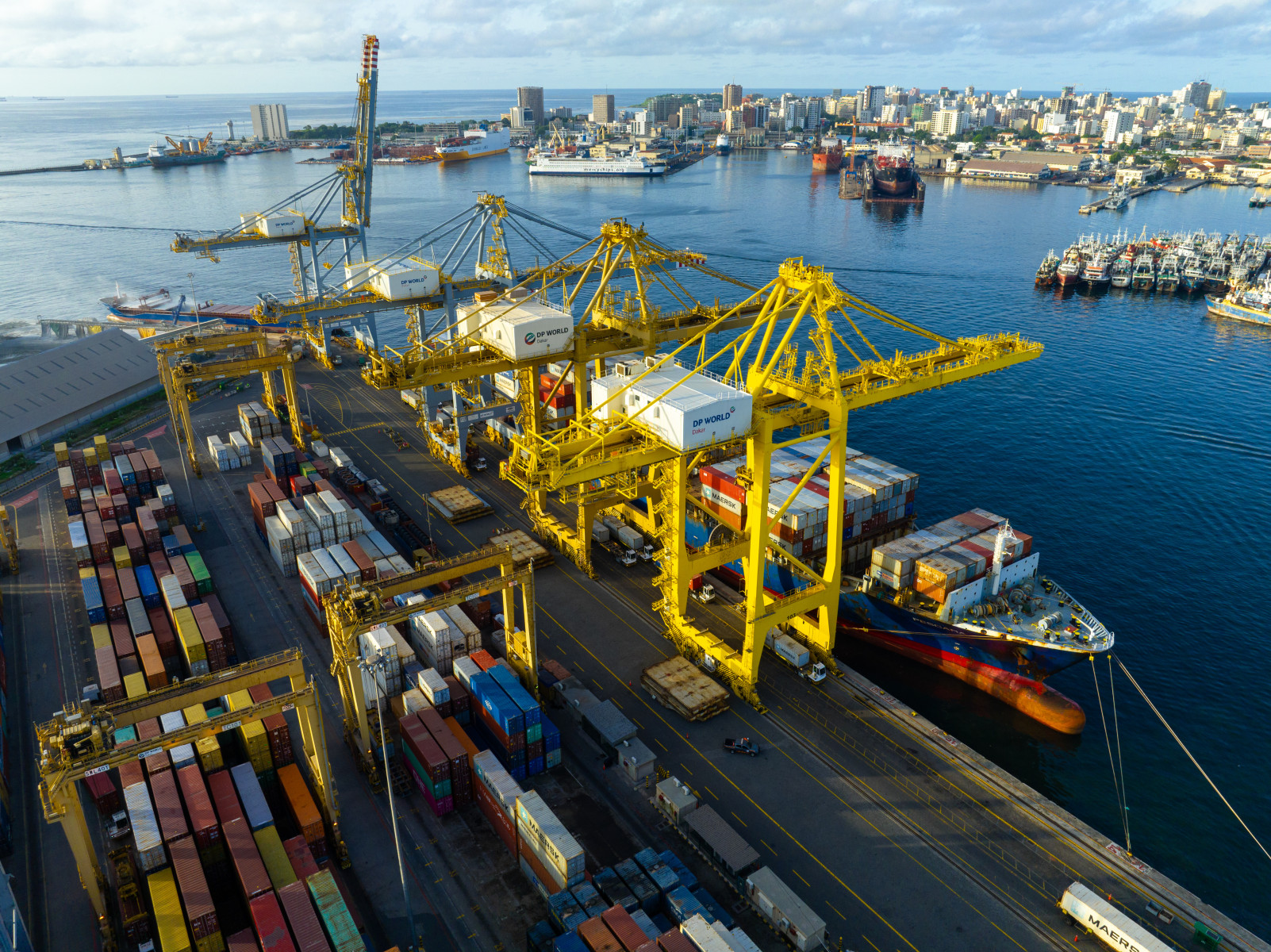

DP World Dakar’s milestone of handling its 10 millionth container underscores the port’s growing strategic significance in West Africa’s logistics ecosystem and reflects the broader momentum of Gulf-based operators expanding their footprint across critical maritime corridors. This operational achievement is not merely a measure of throughput but a tangible indicator of Senegal’s evolving role as a gateway for regional trade into the Sahel, a region rich in resources yet constrained by limited infrastructure. The port’s efficient performance bolsters Dakar’s competitive positioning against regional peers such as Abidjan and Tema, potentially influencing shipping patterns, cost structures, and trade dependencies across the ECOWAS zone. For investors and sovereign stakeholders, such throughput volumes translate into sustained revenue streams, increased foreign direct investment, and a more robust justification for continuing infrastructure development along the Atlantic arc of West Africa.
The scale of containerized activity at DP World Dakar signals deeper dynamics in sovereign capital flows and regional infrastructure financing. Major Gulf sovereign wealth funds have been methodically acquiring and upgrading port concessions across Africa and Asia as part of their long-term strategy to diversify beyond hydrocarbons and secure alternative trade arteries. The success of these investments hinges not only on cargo volumes but also on government support for hinterland rail and road connectivity, which directly impacts port efficiency and economic spillovers. In Senegal’s case, the alignment between national infrastructure ambitions and DP World’s operational capabilities demonstrates a successful Public-Private Partnership model that could attract additional capital for port expansions, logistics parks, and related industrial zones. For venture capital and infrastructure funds tracking African growth markets, throughput milestones like these validate the commercial viability of controlled entry points in emerging economies.
From a regional infrastructure perspective, DP World Dakar’s performance serves as a benchmark for digital and physical port modernization in the MENA and Sub-Saharan corridors. The deployment of advanced throughput management systems, automation, and real-time cargo tracking at the Dakar terminal reflects best practices that Gulf operators often replicate across their global networks. This convergence of Gulf operational standards with African market opportunities enhances cargo velocity, reduces dwell times, and improves overall trading conditions—key factors for attracting larger multinational logistics operators into the region. Ultimately, consistent milestones such as 10 million containers handled each year signal to global supply chains and institutional investors that West African gateways are maturing into reliable nodes of the intercontinental trade network, unlocking new possibilities for integrated infrastructure investment in the broader Gulf-Africa development nexus.