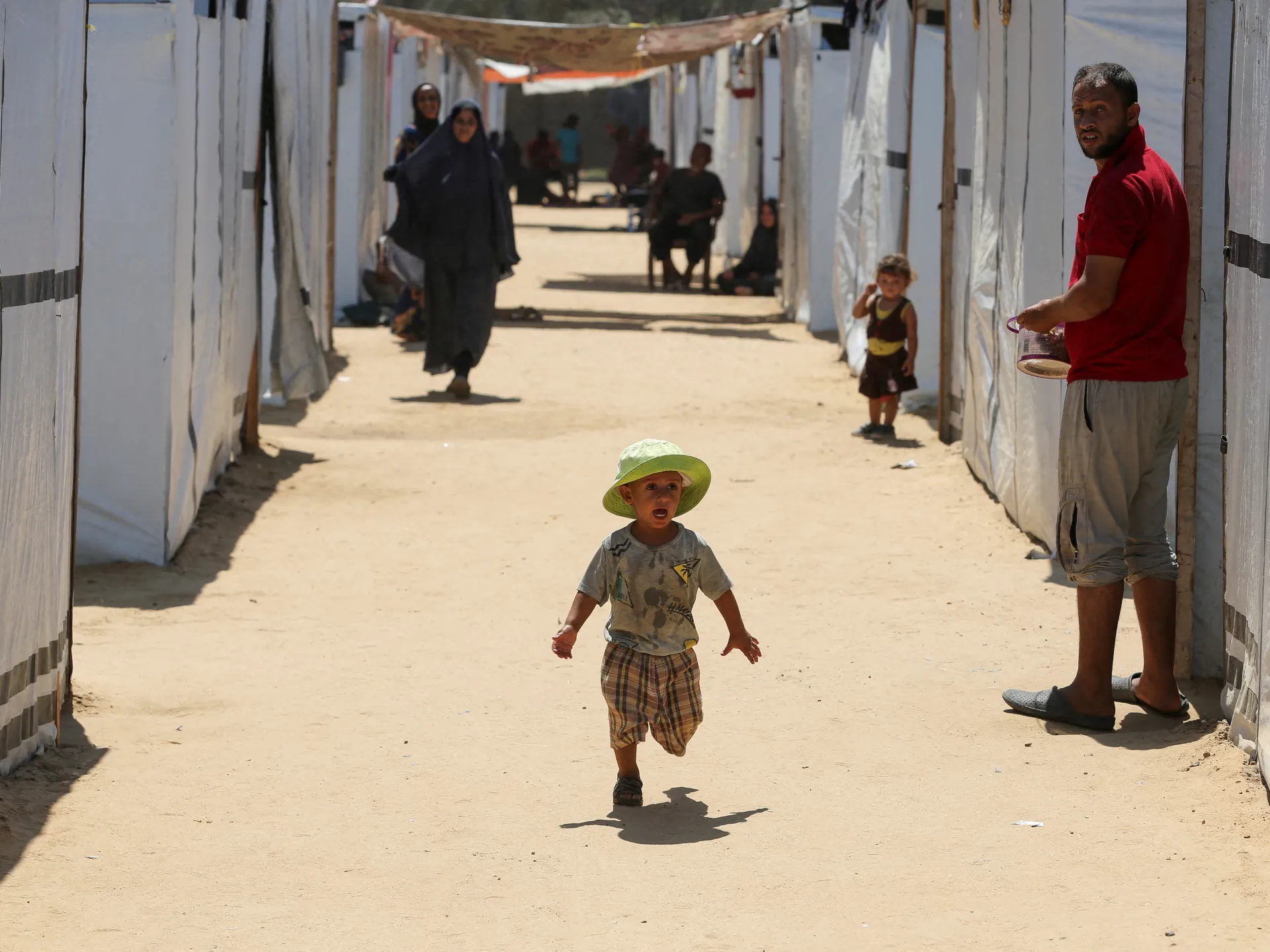

The escalating humanitarian crisis in Gaza, marked by a record surge in amputations, presents a significant and multifaceted challenge with profound implications for the broader Middle East and North Africa (MENA) region. Beyond the immediate human cost of an estimated 5,000 to 6,000 amputees since the October 2025 ceasefire, the protracted restrictions on medical aid are creating a long-term burden on healthcare systems and hindering economic recovery within the enclave. The limited capacity for prosthetics provision, exacerbated by bureaucratic hurdles and a scarcity of essential components, will require substantial international intervention and regional collaboration to address.
The business impact extends beyond direct healthcare expenditure. The disruption to economic activity in Gaza, coupled with the ongoing restrictions on movement and trade, will further strain the region’s already fragile economic landscape. Sovereign wealth funds in Gulf states and increasingly active private equity firms in the MENA region will face difficult decisions regarding investment in the affected areas and the potential for a protracted reconstruction period. The long-term implications for investor confidence in the region, particularly in sectors reliant on stability and predictable supply chains, are considerable. Moreover, the crisis underscores the urgent need for robust regional infrastructure investments in healthcare logistics and resilient supply chains within vulnerable nations.
Venture capital and innovation opportunities will emerge in addressing the shortfall in prosthetic technology and rehabilitation services. Regional tech companies could play a pivotal role in developing and deploying cost-effective solutions, leveraging advancements in 3D printing and materials science. Furthermore, the crisis highlights the importance of strengthening regional medical supply chains, potentially fostering partnerships between MENA nations and international medical technology providers. Successful navigation of this crisis will necessitate substantial financial commitments from sovereign capital coupled with strategic private sector engagement to build sustainable, resilient healthcare infrastructure in Gaza and enhance regional humanitarian preparedness.
The ripple effects of the Gaza crisis extend to regional security and geopolitical stability. The current limitations on aid delivery and the increasingly dire humanitarian situation may fuel further instability, potentially impacting neighboring countries and regional power dynamics. Addressing the long-term needs of amputees and those impacted by conflict will require coordinated regional efforts involving governments, international organizations, and philanthropic entities. Investing in preventative measures such as conflict resolution initiatives and strengthening regional healthcare capacity represents a critical long-term strategy for mitigating future humanitarian crises and fostering sustainable peace and prosperity across the MENA region. Failure to do so risks further undermining economic development and regional stability.