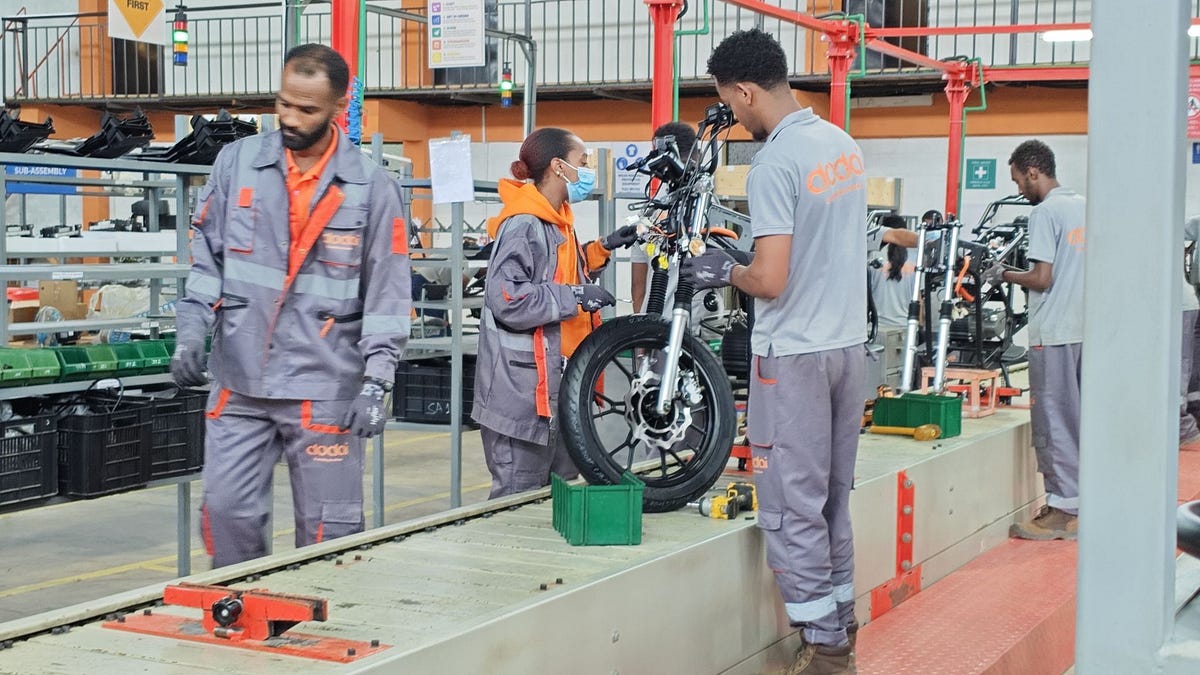

The completion of a $13 million financing facility for Dodai, an Ethiopia-based electric mobility provider, underscores the growing maturity of frontier market clean‑energy infrastructure in the MENA region. Structured as $8 million in equity and $5 million in debt, the round attracted a diversified consortium of development finance institutions, corporate investors and regional funds, including Value Chain Innovation Fund, UTokyo Innovation Platform, Nagase & Co., Persistent ACV Fund, For Seasons, CBC Co., Inclusion Japan and British International Investment. This composition signals to local sovereign funds and regional institutional investors that viable, scalable infrastructure plays are emerging outside traditional core markets, warranting the allocation of patient capital to support last‑mile mobility solutions.
From a sovereign capital perspective, the transaction illustrates a template for de‑risking early‑stage infrastructure rollouts through blended finance. Development institutions such as BII are increasingly positioned as quasi‑sovereign conduits, bridging grant, debt and equity to catalyze private participation in markets with underdeveloped supporting ecosystems. For MENA sovereign wealth funds and state‑linked entities, the Dodai case demonstrates the potential to deploy capital toward energy transition and urban mobility priorities while aligning with broader macro objectives around job creation, emissions reduction and import substitution in transport fuel.
Venture capital and strategic corporate participation further validate the commercial viability of localized infrastructure build‑out, particularly in areas such as battery swapping and micro‑mobility platforms that require dense operational footprints. The expectation of reaching 3,000 users supported by 30 swapping stations across Addis Ababa within 12 months highlights the capital intensity of scaling physical assets in frontier settings. For regional infrastructure development, this deal reinforces the necessity of coordinated policy frameworks, standardized safety and interoperability protocols, and co‑investment vehicles that align private returns with public goods, ensuring that nascent mobility ecosystems can achieve both scale and sustainability.