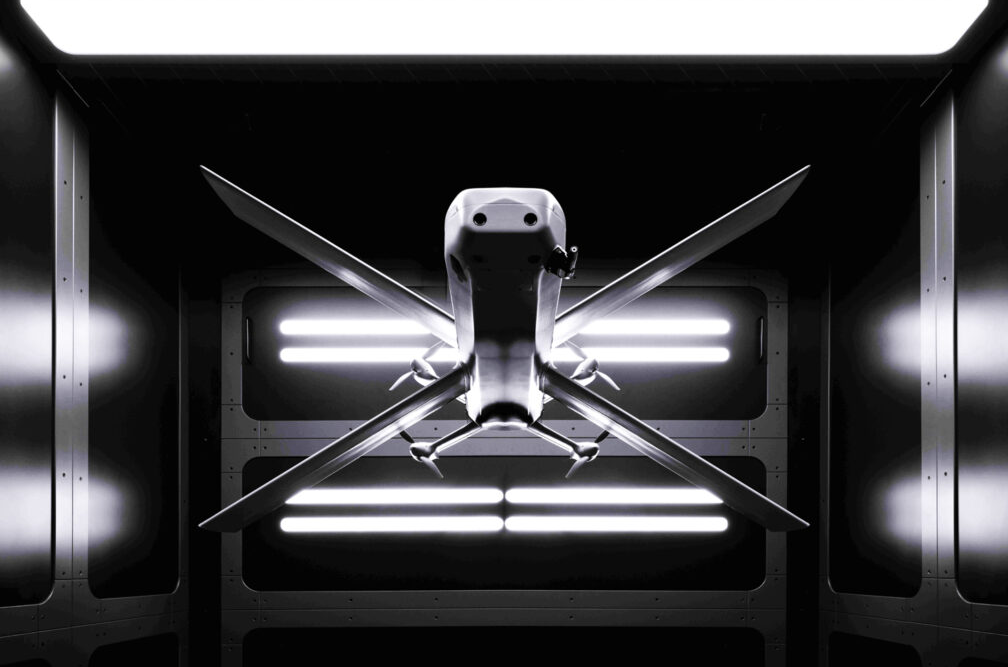

German defense technology firm Helsing GmbH stands at the forefront of Europe’s defense technology renaissance, with reports indicating it is poised to secure $1.2 billion in fresh funding at an $18 billion valuation. This surge in valuation—nearly 30 percent above its previous $14 billion figure—reflects a broader institutional pivot toward AI-powered warfare systems, catalyzed by Europe’s renewed defense commitments following Russia’s 2022 invasion of Ukraine. The funding round, reportedly oversubscribed and led by Dragoneer Investment Group with Lightspeed Venture Partners co-leading, underscores how sovereign wealth funds and institutional investors across the MENA region are increasingly allocating capital to dual-use technologies that bridge civilian and military applications.
For the Middle East and North Africa, Helsing’s meteoric rise carries profound strategic implications. Regional sovereign wealth funds, particularly from the Gulf Cooperation Council states, have been actively diversifying portfolios into European defense technology amid escalating regional tensions and Russia’s reconfiguration as both competitor and supplier. Unlike traditional U.S. defense contractors, European startups like Helsing offer more flexible partnership structures and faster innovation cycles, making them attractive joint venture prospects. The company’s recent €269 million contract with the German military, with potential expansion to €1.46 billion, signals how European defense procurement is prioritizing indigenous innovation—a model that regional governments are eager to emulate while reducing dependency on legacy Western arms suppliers.
The broader ecosystem of European defense unicorns—including Tekever, Quantum-Systems, and the U.S. cohort led by Anduril Industries and Shield AI—represents a fundamental restructuring of global defense technology investment flows. MENA investors are not merely passive observers; they are actively positioning themselves within this new value chain, seeking equity stakes in companies developing autonomous systems, drone swarms, and AI-enabled battlefield management platforms. This shift comes as traditional regional security architectures face obsolescence, with nations like Saudi Arabia and the UAE announcing multi-billion-dollar defense technology initiatives that increasingly mirror Europe’s private-sector innovation approach.
However, the rapid valuation escalation in defense technology raises questions about sustainability, particularly given concerns that some European governments remain locked into legacy procurement decisions for conventional platforms. For MENA policymakers, the challenge lies in balancing participation in this high-growth sector while avoiding overexposure to potentially speculative valuations. Helsing’s evolution from AI software analytics to manufacturing kamikaze drones exemplifies the sector’s transformation from pure-play technology to integrated weapon systems—a shift that regional capital providers must evaluate against the backdrop of evolving geopolitical risk profiles and long-term infrastructure requirements for autonomous warfare capabilities.