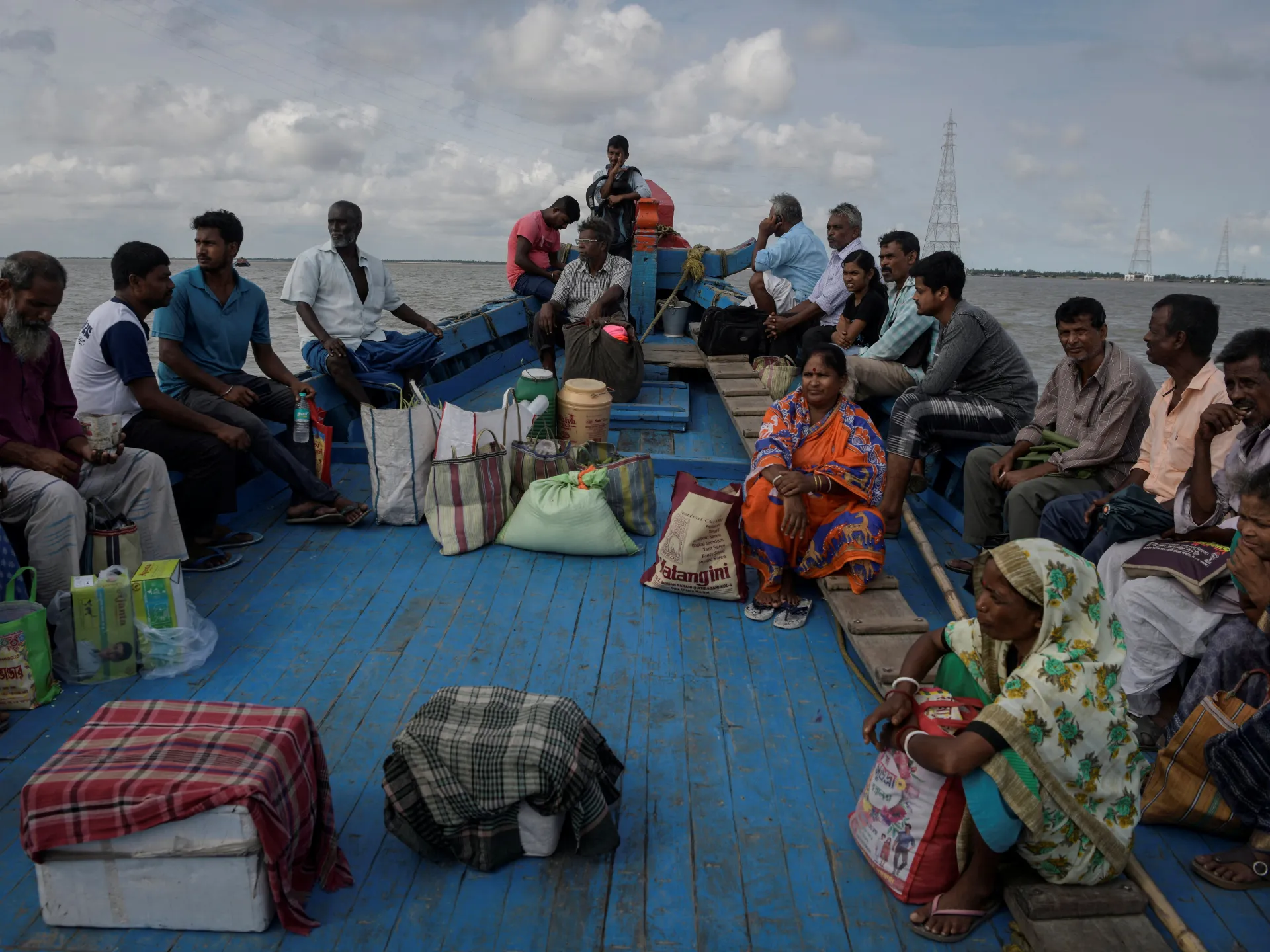

The Border Security Force’s proposal to introduce crocodiles and venomous snakes into the riverine gaps of the India‑Bangladesh frontier signals a shift from conventional physical barriers to biologically‑engineered deterrents, a move that could reverberate across the region’s investment climate. Sovereign capital allocations for border infrastructure have already surged, with New Delhi earmarking over $8 billion for fencing, surveillance, and remote‑sensing projects along the 4,096 km frontier. Deploying apex predators, however, injects a layer of regulatory and reputational risk that may deter both domestic and foreign investors, particularly those in infrastructure funds and multilateral development banks that are increasingly tied to ESG compliance. Any adverse ecological fallout or cross‑border diplomatic incident could trigger penalties from international financial institutions, jeopardising future funding streams for broader connectivity initiatives such as the East‑West Corridor and the Bangladesh‑India Gas Pipeline.
From a venture‑capital perspective, the announcement opens a niche for start‑ups specializing in non‑lethal wildlife management, remote monitoring, and AI‑driven risk analytics. Yet the market potential is constrained by the political volatility of the scheme; venture firms are likely to demand stringent safeguards and clear policy signals before committing capital to technologies that could be rendered obsolete by a policy reversal. Moreover, the prospect of weaponising wildlife may prompt tighter scrutiny from regulators overseeing biotech and animal welfare, adding compliance costs that could erode margins for early‑stage innovators.
Regionally, the plan threatens to destabilise the delicate riverine ecosystems that underpin fisheries, agriculture, and tourism in West Bengal, Assam, and neighbouring Bangladeshi districts. Disruption of these ecosystems can impair supply chains, depress local GDP, and increase fiscal pressures on both governments—pressures that may be reflected in higher sovereign spreads and reduced appetite for infrastructure bonds. The cross‑border nature of the waterways also raises the stakes for cooperative water‑resource management under the Ganges‑Brahmaputra basin agreements; any unilateral ecological interference could stall joint‑venture projects and undermine the broader vision of a digitally‑linked, climate‑resilient MENA‑Asia trade axis.
In sum, while the biological deterrent concept may appear as a low‑cost alternative to steel fencing, its broader economic ramifications are profound. Investors and policymakers must weigh the short‑term security allure against long‑term capital costs, ESG liabilities, and the risk of fracturing the collaborative infrastructure framework that underpins South Asian growth and its strategic linkages to the wider Middle East and North Africa market.